






The Witcher 4 : Entre choix complexes et racines de l’Europe centrale
In The Witcher 4, Ciri’s journey takes a profound turn as the game pushes the boundaries of narrative depth and player agency. Building on the legacy of Andrzej Sapkowski’s richly layered universe, the development team at CD Projekt Red has crafted a story that doesn't just unfold—it demands introspection. Through a newly released video diary, the creators walk players through the emotional and artistic heartbeat behind the game’s standout trailer, revealing how every choice, from visual design to dialogue, is rooted in authenticity and thematic resonance.
Central to the game’s identity is its unwavering commitment to Central European culture. "We didn’t just draw inspiration—we lived in it," the team explained. "From the architecture of rural hamlets to the way light falls across a snow-dusted forest, every detail is shaped by real landscapes and traditions." This dedication is evident in Ciri’s evolving appearance, her posture, and even her mannerisms—each influenced by the region’s folk aesthetics and historical nuance. The characters aren’t archetypes; they’re echoes of real people, shaped by centuries of history, myth, and resilience.
The narrative, inspired by the philosophical undercurrents of Sapkowski’s original stories, refuses to simplify morality. "There’s no hero’s journey here—just a girl caught between prophecies, powers, and the weight of her own choices," the developers shared. "The world doesn’t hand you answers. It asks you to carry the burden of what comes after." This emphasis on moral ambiguity invites players to grapple with decisions that have no clean outcomes—choices that ripple across lives, communities, and timelines, much like the Eastern European view of fate as a tangled web, not a straight path.
The trailer itself is a masterclass in atmosphere and subtlety. Instead of flashy battles or grand declarations, it lingers on quiet moments: a hand trembling as it grips a blade, a village elder’s knowing gaze, Ciri staring into a storm-torn mirror—her reflection not just her own, but a thousand possible futures. These images aren’t just set pieces; they’re emotional anchors, grounding the player in Ciri’s internal struggle.
Ultimately, The Witcher 4 isn’t just a game about choices. It’s a meditation on what it means to be human in a world where good and evil are not opposites, but shades of the same uncertain light. As the team says: "The greatest power isn’t magic. It’s the courage to choose—and live with the cost."
-
 Mar 17,25Toutes les réalisations de la fiction divisée et comment les déverrouiller Plongez dans la fiction captivante de la coopérative d'aventure à partir de Hazelight Studios! Ce guide décrit toutes les réalisations, en vous assurant que vous et votre partenaire remets tous les défis. Bien que certains trophées soient gagnés naturellement à travers l'histoire, beaucoup nécessitent une exploration approfondie et des actions uniques. Utilisez ce g
 -
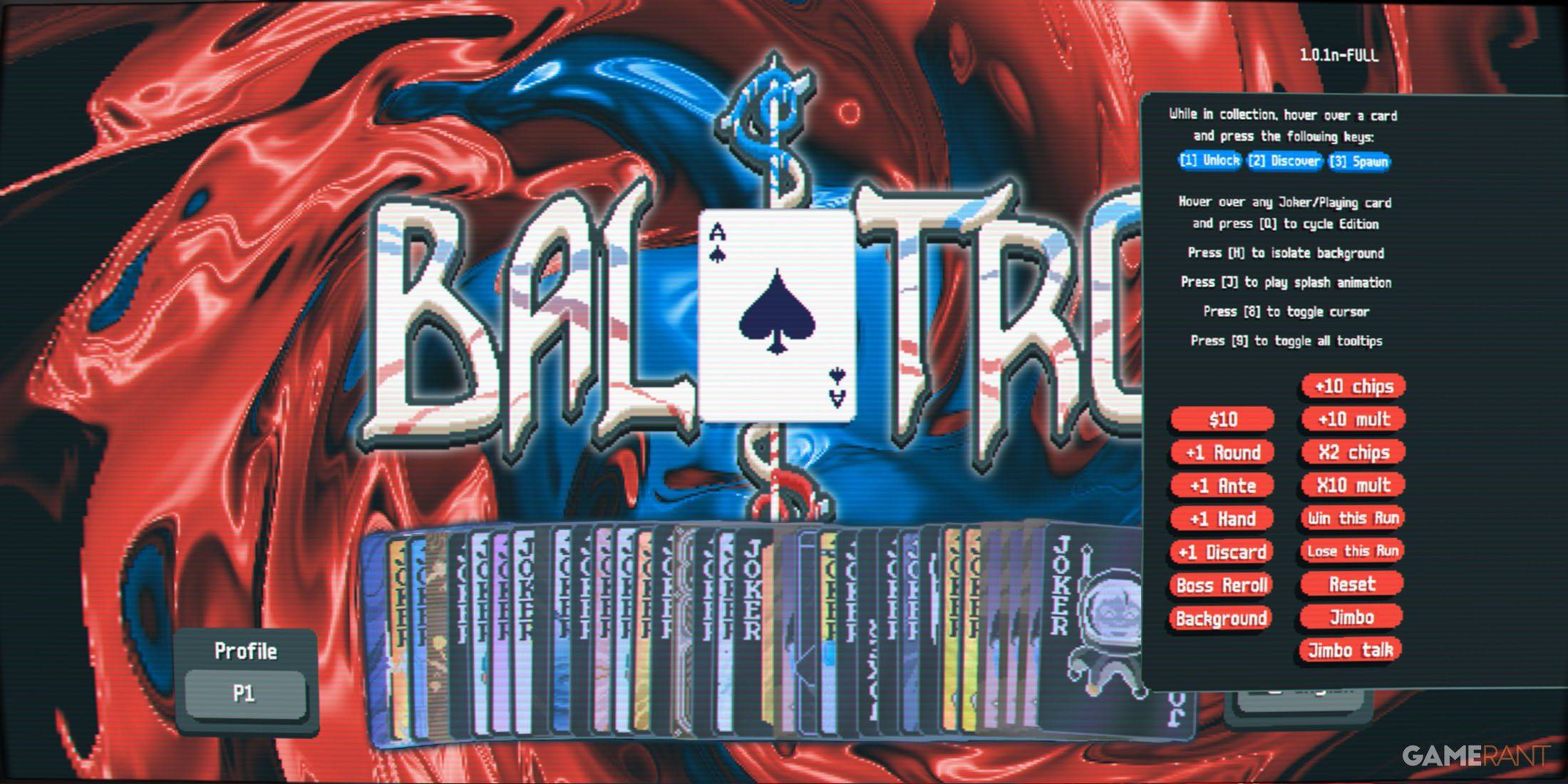 Apr 05,25Balatro Cheats: Accès au guide de menu de débogage Balatro a pris d'assaut le monde des jeux lors de sa sortie au début de 2024, se vendant plus de 3,5 millions d'exemplaires et décrochant trois des cinq nominations aux 2024 Game Awards. Son gameplay innovant et son reépoque sans fin l'ont maintenu un favori parmi les joueurs. À mesure que les joueurs deviennent plus adeptes de son MEC
 -
 Jan 16,25Filles FrontLine 2 : publication de la liste des niveaux d'Exilium Un autre jeu gacha gratuit, un autre classement de personnages pour guider vos choix d'investissement. Cette liste de niveaux de personnages de Girls’ Frontline 2 : Exilium vous aide à prioriser les personnages qui valent vos ressources. Girls' Frontline 2 : Liste des niveaux des personnages d'Exilium Voici une répartition des produits actuellement disponibles
 -
 Apr 09,25"Top 11 alternatives Minecraft à jouer en 2025" Minecraft a captivé les joueurs du monde entier, devenant l'un des jeux les plus vendus de tous les temps. Mais que se passe-t-il si ce n'est pas tout à fait votre tasse de thé? Ou peut-être êtes-vous un fan inconditionnel à la recherche de plus d'expériences dans le même genre? Nous avons organisé une liste des 11 meilleurs jeux similaires à Minecraft que vous pouvez plonger