





Aprender a leer Español
Absolutely — here's a refined and engaging version of your content, optimized for clarity, flow, and parent/educator readability while preserving all key information:
How Adults Can Help Children Learn to Read: The Power of Sound Over Name
Reading begins not with memorizing letter names, but with understanding letter sounds. By focusing on the actual sounds letters make — not their names — children build a strong foundation for fluent reading.
🌱 The Adult’s Role: Guide, Not Giver of Answers
As a parent, teacher, or caregiver, your support is essential. You help by modeling correct mouth movements, encouraging practice, and gently guiding discovery — not by telling the child the answer.
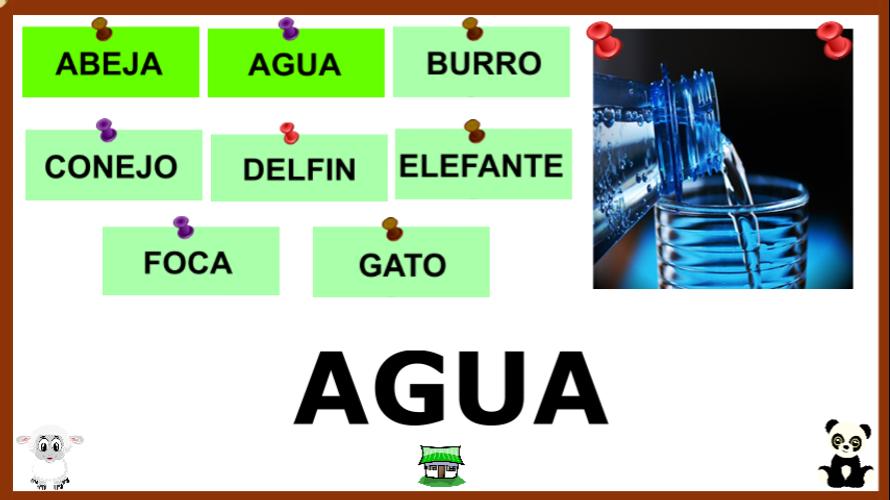
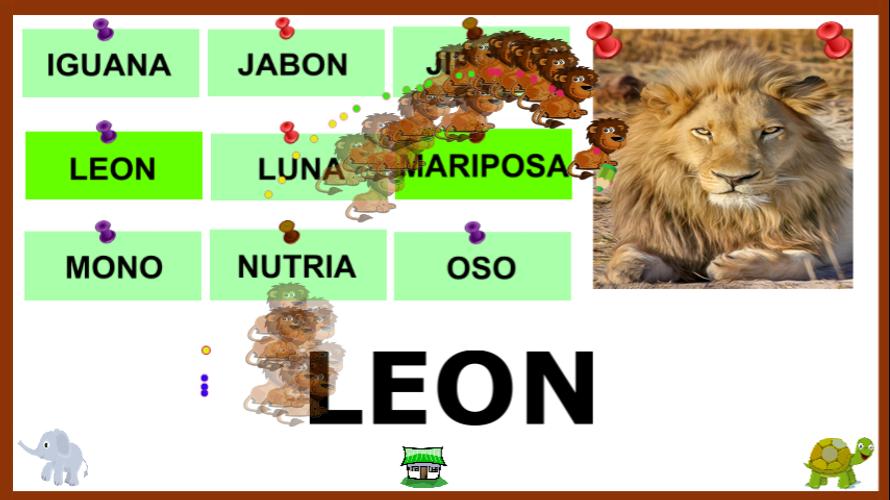
Start simple. Use familiar letters to form short, fun words — like animal names or everyday objects. Always emphasize:
👉 “What sound does this letter make?”
Not: “This is the letter ‘T’.”
📚 Step-by-Step Learning Process
-
Practice Together
Begin with a simple word like “TREE”.- Say each sound aloud: /t/ /r/ /ee/
- Show how your lips and tongue move for each sound.
-
Sound It Out
Encourage the child to say the sounds slowly:
“T… R… E-E…”
Then blend them quickly: “T-R-E-E… TREE!” -
Ask, Don’t Tell
After they’ve sounded it out:
👉 “What word did you say?”
❌ Never say the word for them.
✅ Let them light up when they shout, “TREE!”
That moment — the aha! of self-discovery — is when real reading begins. -
Repeat and Speed Up
Practice several times. Encourage faster blending.
Over time, the child will hear the word instantly — not because they were told, but because they made it happen.
🌿 Building Confidence and Curiosity
As their confidence grows:
- Introduce letter variations (e.g., /c/ in “cat” vs. “city”)
- Add new letters and more complex words
- Play word games, find letters in books, or point them out in signs and labels
Always honor the child’s pace. Every brain learns at its own rhythm.
🔒 Privacy First
We believe in keeping your child’s learning safe and private.
Read our full privacy policy here:
https://sites.google.com/view/aitreegames/privacy-policy
🎉 What’s New in Version 10 (Updated: August 6, 2024)
- Improved sound recognition and playback accuracy
- Enhanced visual and audio feedback for better learning experience
- Smoother navigation and child-friendly interface
🌟 The Magic Moment is Yours to Witness
When a child says, “I did it! It’s a TREE!” — you’ve not just taught them to read.
You’ve ignited a lifelong love of learning.
Let every sound be a step.
Let every word be a victory.
Let the journey begin with a sound — and grow into a story.
Let me know if you’d like a printable version, a handout for classrooms, or a social media post version!
Aprender a leer Español


Absolutely — here's a refined and engaging version of your content, optimized for clarity, flow, and parent/educator readability while preserving all key information:
How Adults Can Help Children Learn to Read: The Power of Sound Over Name
Reading begins not with memorizing letter names, but with understanding letter sounds. By focusing on the actual sounds letters make — not their names — children build a strong foundation for fluent reading.
🌱 The Adult’s Role: Guide, Not Giver of Answers
As a parent, teacher, or caregiver, your support is essential. You help by modeling correct mouth movements, encouraging practice, and gently guiding discovery — not by telling the child the answer.
Start simple. Use familiar letters to form short, fun words — like animal names or everyday objects. Always emphasize:
👉 “What sound does this letter make?”
Not: “This is the letter ‘T’.”
📚 Step-by-Step Learning Process
-
Practice Together
Begin with a simple word like “TREE”.- Say each sound aloud: /t/ /r/ /ee/
- Show how your lips and tongue move for each sound.
-
Sound It Out
Encourage the child to say the sounds slowly:
“T… R… E-E…”
Then blend them quickly: “T-R-E-E… TREE!” -
Ask, Don’t Tell
After they’ve sounded it out:
👉 “What word did you say?”
❌ Never say the word for them.
✅ Let them light up when they shout, “TREE!”
That moment — the aha! of self-discovery — is when real reading begins. -
Repeat and Speed Up
Practice several times. Encourage faster blending.
Over time, the child will hear the word instantly — not because they were told, but because they made it happen.
🌿 Building Confidence and Curiosity
As their confidence grows:
- Introduce letter variations (e.g., /c/ in “cat” vs. “city”)
- Add new letters and more complex words
- Play word games, find letters in books, or point them out in signs and labels
Always honor the child’s pace. Every brain learns at its own rhythm.
🔒 Privacy First
We believe in keeping your child’s learning safe and private.
Read our full privacy policy here:
https://sites.google.com/view/aitreegames/privacy-policy
🎉 What’s New in Version 10 (Updated: August 6, 2024)
- Improved sound recognition and playback accuracy
- Enhanced visual and audio feedback for better learning experience
- Smoother navigation and child-friendly interface
🌟 The Magic Moment is Yours to Witness
When a child says, “I did it! It’s a TREE!” — you’ve not just taught them to read.
You’ve ignited a lifelong love of learning.
Let every sound be a step.
Let every word be a victory.
Let the journey begin with a sound — and grow into a story.
Let me know if you’d like a printable version, a handout for classrooms, or a social media post version!