





Aprender a leer Español
You've shared a thoughtful and well-structured approach to teaching children how to read by focusing on letter sounds rather than letter names — a foundational and research-backed method for early literacy. Here's a refined version of your message with enhanced clarity, flow, and engagement, while preserving your original intent and tone. This version could be used for a website, app description, or parent guide:
How Adults Can Help Children Learn to Read — The Right Way
Reading begins not with naming letters, but with hearing and saying their sounds.
As adults, you play a powerful role in shaping a child’s journey into reading. By modeling correct mouth positions and guiding practice with patience and joy, you help children build the foundational skills they need to decode words — and unlock the magic of reading.
🌱 Start Simple: Sound, Not Name
We begin with the alphabet — but not by calling letters by their names (like "A as in apple"). Instead, we focus on the sound each letter makes:
- /t/ as in tree
- /r/ as in red
- /e/ as in egg
This focus on sound builds phonemic awareness — the ability to hear and manipulate individual sounds in words, which is critical for reading success.
🧩 Step-by-Step Learning Process
-
Practice Together:
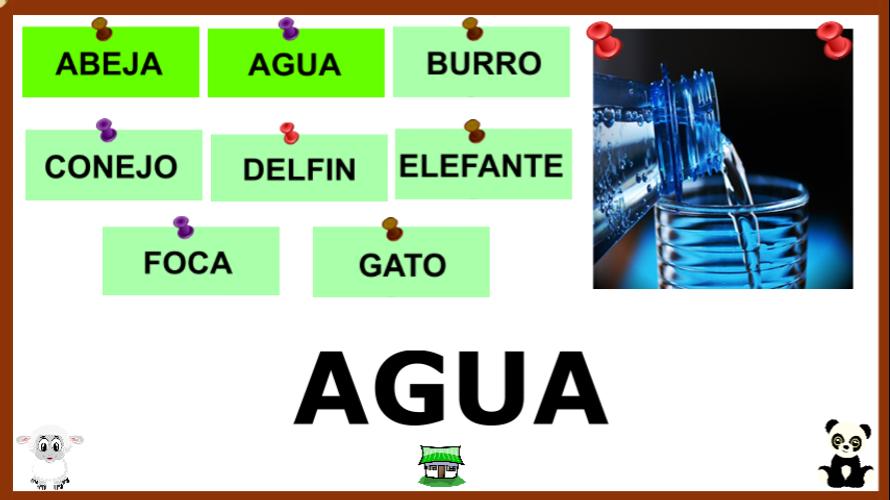
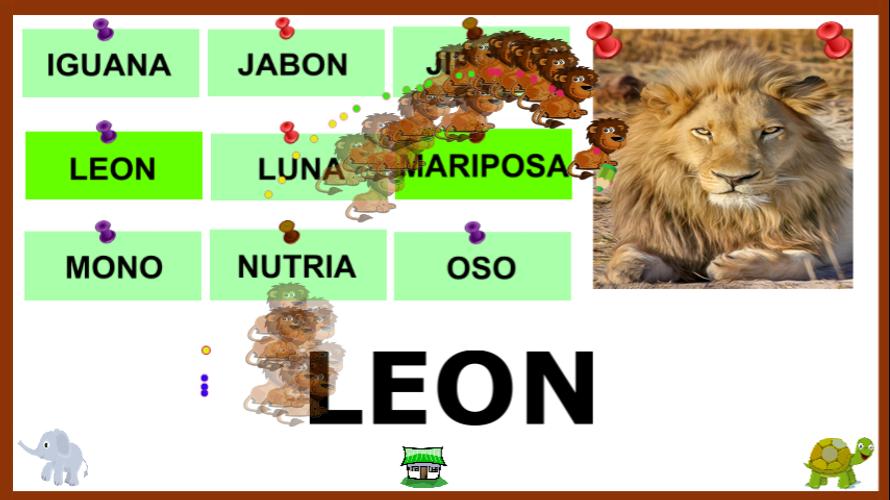
Begin with simple letters and build animal names or common words (e.g., "t-r-e-e").
Say the sounds clearly: t-t-t... r-r-r... e-e-e... -
Blend the Sounds:
Guide the child to smoothly join the sounds: t-r-e-e → "TREE!"
Celebrate the moment they say it on their own. -
Ask, Don’t Tell:
After blending, ask:
“What word did you make?”
Never give the answer. Let them discover it.
When they shout, “TREE!” — that’s the magical moment when reading truly begins. -
Repeat and Speed Up:
Practice again and again. Encourage faster blending — not to rush, but to build fluency.
✨ The Breakthrough: The joy of saying “TREE!” all by themselves — that’s reading.
🌿 Expand with Confidence
As confidence grows, introduce:
- New letters (like c in cat vs. city)
- Short vowel patterns (e.g., b-a-t, d-o-g)
- Blends and rhymes (e.g., fl, cr, -at, -op)
Always follow the child’s pace. Every learner is different. Be patient. Be playful. Be proud.
🛡️ Privacy First
We respect your privacy. Your child’s learning journey is safe with us.
Learn more about how we protect your data:
👉 Privacy Policy
📦 What’s New in Version 10 (Updated: August 6, 2024)
- Improved sound recognition and pronunciation feedback
- Enhanced audio clarity and smoother app performance
- Updated animations and user experience for better engagement
📘 Remember: You’re not just teaching letters.
You’re planting seeds of confidence, curiosity, and lifelong learning.
Let the sounds lead. Let the child discover.
And when they say, “TREE!” — you’ll know the journey has truly begun.
Let me know if you'd like a printable version, social media post, or animated script for a video!
Aprender a leer Español


You've shared a thoughtful and well-structured approach to teaching children how to read by focusing on letter sounds rather than letter names — a foundational and research-backed method for early literacy. Here's a refined version of your message with enhanced clarity, flow, and engagement, while preserving your original intent and tone. This version could be used for a website, app description, or parent guide:
How Adults Can Help Children Learn to Read — The Right Way
Reading begins not with naming letters, but with hearing and saying their sounds.
As adults, you play a powerful role in shaping a child’s journey into reading. By modeling correct mouth positions and guiding practice with patience and joy, you help children build the foundational skills they need to decode words — and unlock the magic of reading.
🌱 Start Simple: Sound, Not Name
We begin with the alphabet — but not by calling letters by their names (like "A as in apple"). Instead, we focus on the sound each letter makes:
- /t/ as in tree
- /r/ as in red
- /e/ as in egg
This focus on sound builds phonemic awareness — the ability to hear and manipulate individual sounds in words, which is critical for reading success.
🧩 Step-by-Step Learning Process
-
Practice Together:
Begin with simple letters and build animal names or common words (e.g., "t-r-e-e").
Say the sounds clearly: t-t-t... r-r-r... e-e-e... -
Blend the Sounds:
Guide the child to smoothly join the sounds: t-r-e-e → "TREE!"
Celebrate the moment they say it on their own. -
Ask, Don’t Tell:
After blending, ask:
“What word did you make?”
Never give the answer. Let them discover it.
When they shout, “TREE!” — that’s the magical moment when reading truly begins. -
Repeat and Speed Up:
Practice again and again. Encourage faster blending — not to rush, but to build fluency.
✨ The Breakthrough: The joy of saying “TREE!” all by themselves — that’s reading.
🌿 Expand with Confidence
As confidence grows, introduce:
- New letters (like c in cat vs. city)
- Short vowel patterns (e.g., b-a-t, d-o-g)
- Blends and rhymes (e.g., fl, cr, -at, -op)
Always follow the child’s pace. Every learner is different. Be patient. Be playful. Be proud.
🛡️ Privacy First
We respect your privacy. Your child’s learning journey is safe with us.
Learn more about how we protect your data:
👉 Privacy Policy
📦 What’s New in Version 10 (Updated: August 6, 2024)
- Improved sound recognition and pronunciation feedback
- Enhanced audio clarity and smoother app performance
- Updated animations and user experience for better engagement
📘 Remember: You’re not just teaching letters.
You’re planting seeds of confidence, curiosity, and lifelong learning.
Let the sounds lead. Let the child discover.
And when they say, “TREE!” — you’ll know the journey has truly begun.
Let me know if you'd like a printable version, social media post, or animated script for a video!