





Cemantik

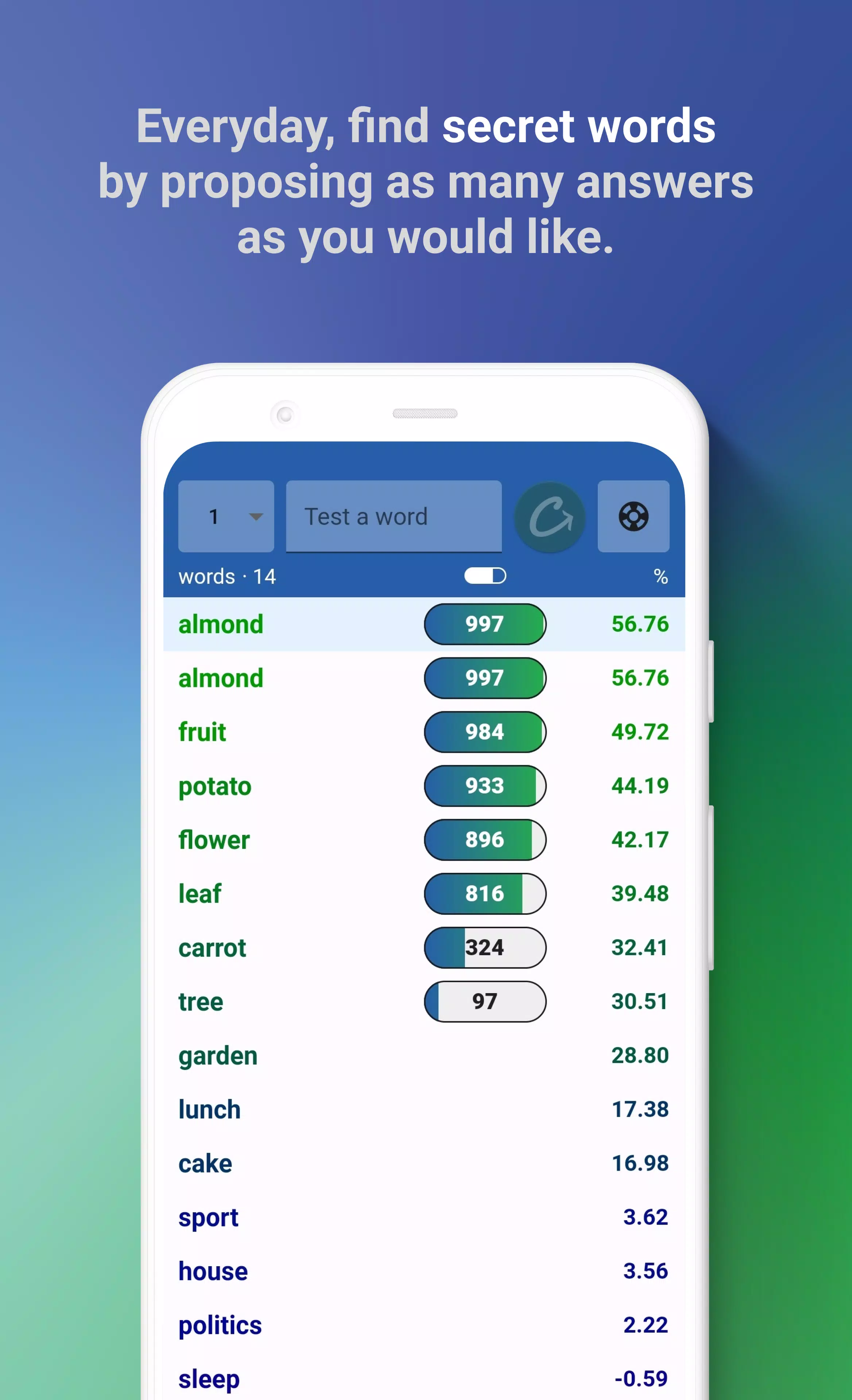
Got it! You're diving into Cemantik, a word-guessing game where meaning and context rule over spelling. The goal is to uncover the hidden secret word by submitting guesses and analyzing their semantic similarity scores — not how close they look, but how often they appear together in language.
Here’s your strategic guide to cracking the hidden word:
🔍 How to Win: Master the Hidden Word Game
✅ 1. Start Broad, Then Narrow
- Begin with common, high-frequency words:
“time,” “life,” “love,” “home,” “day,” “water,” “work,” “man,” “food,” “house” - These often score well because they’re central to human experience and appear in countless contexts.
✅ 2. Interpret the Score Range
- +100%: Extremely close in context (e.g., "cat" for secret word "kitten")
- 0%: No meaningful connection
- -100%: Opposite in meaning (e.g., "light" for "dark") — but note: opposites can still score high due to co-occurrence in contrastive language!
- Think: “Where would this word naturally appear?”
Example: If “sun” scores +70% for secret word “day,” it's because “sun” and “day” are often mentioned together.
✅ 3. Use High-Scoring Words as Clues
-
If you get “morning” = +85%, your secret word might be:
- “day” (common in “morning person,” “day starts”)
- “sunrise” (contextual anchor)
- “wake” (action linked to morning)
-
If “sad” = +90%, but “happy” = -60%, you’re likely close to a word like “grief”, “loss”, or “mourning” — not “joy” (opposite).
✅ 4. Watch for Patterns in Scoring
- Words that appear in the same sentences, phrases, or themes will score high.
- Example:
- Secret word = “breakfast”
- “eggs” = +92%
- “coffee” = +88%
- “bed” = +40%
- “war” = -20%
→ Strong signal: morning meal.
✅ 5. Use Opposites Wisely
- Don’t assume negative scores mean “wrong.”
- “hot” might score +70% for “cold” — they’re often paired in contrast.
- Use semantic opposites to test if you’re near a conceptual pair.
✅ 6. Think in Concepts, Not Just Words
- If you keep getting high scores with “fire,” “burn,” “heat,” “flame”, but low with “water,” “ice,” “flood”, your secret word is likely “heat”, “burn”, or “fire” — not “cold”.
✅ 7. Track Your Progress
- Use the statistics dashboard to see:
- What words you’ve tried
- Which ones scored highest
- How many players solved it on average
- Compare your approach to top solvers.
✅ 8. Unlock Hints with Points
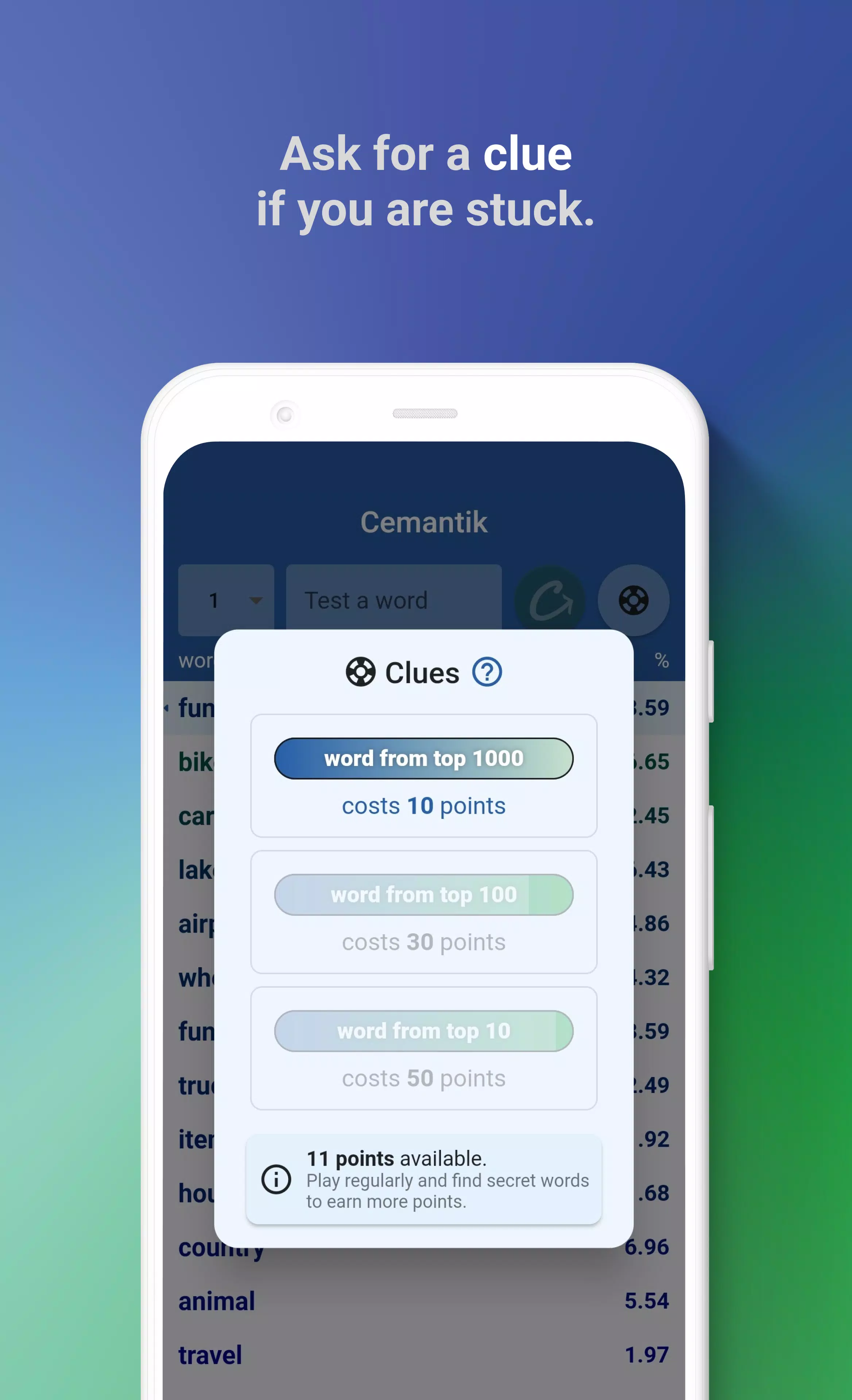
- Earn points by solving puzzles.
- Spend them on:
- “Show me a similar word”
- “Reveal a related concept”
- “Suggest a likely theme”
✅ 9. Try Community Mode (if available)
- See what others guessed before you.
- Look for patterns in top-scoring guesses.
- Sometimes, the most popular guesses are not the right one — but they can guide you.
✅ 10. Use Subscribers’ Features (if eligible)
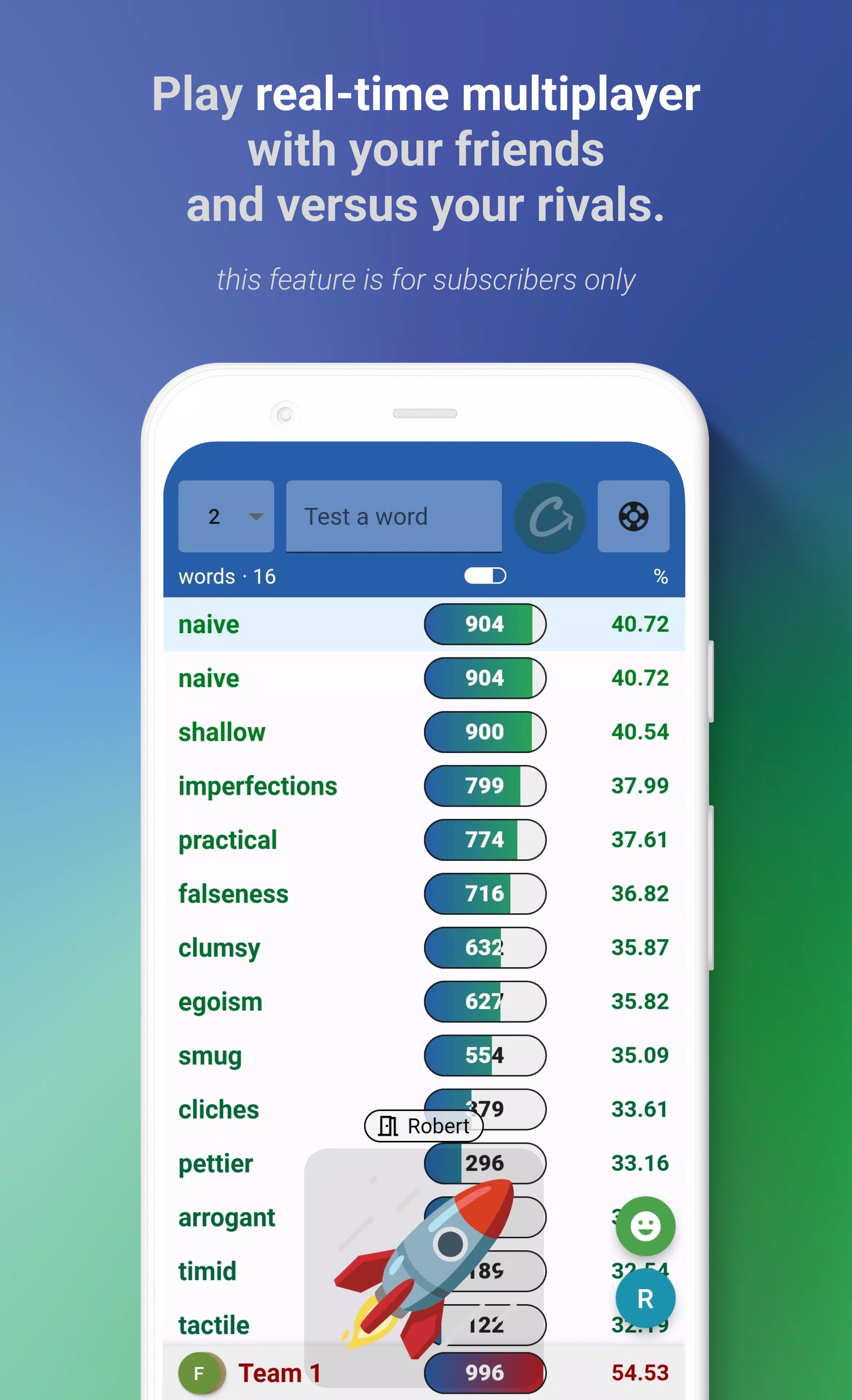
- Real-time multiplayer? Share progress without revealing the word.
- Create private custom challenges with your own secret word (e.g., “jealousy,” “bicycle,” “dream”).
- Use the weekly "hidden scores" mode to test your intuition — no scores shown until you submit!
🧩 Example Puzzle Walkthrough
Goal: Find the secret word.
- You guess: “morning” → +85%
- You guess: “coffee” → +92%
- You guess: “bed” → +60%
- You guess: “work” → +50%
- You guess: “sleep” → +48%
- You guess: “sunrise” → +95%
👉 Inference: All point to a morning routine or start of day.
Best guess: “day”
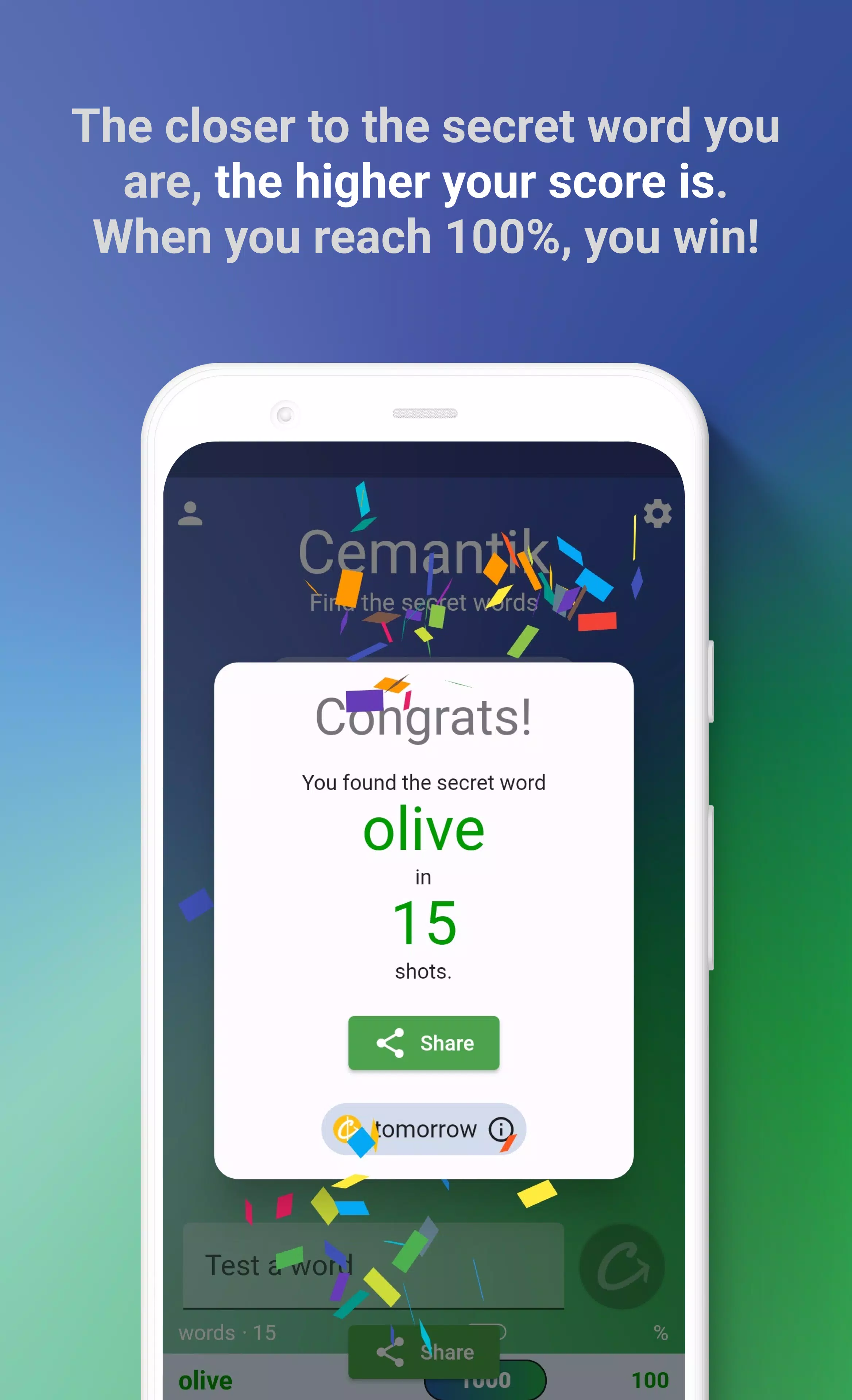
→ If it scores +98%, you’ve likely cracked it.
But what if “breakfast” scores +96%? Then it’s likely the secret word.
🎯 Final Tips
- Don’t overthink spelling — it’s not a Wordle clone.
- Trust context, not letters.
- Think in themes: time, emotion, nature, routines, actions.
- Use synonyms and associations, not just definitions.
- Be patient — some puzzles take 5–10 guesses.
🎯 Ready to uncover today’s hidden word?
👉 Submit your first guess — and let the context reveal the truth.
Need help with today’s secret word?
Just tell me:
- Your top 3 guesses
- Their scores
- Any theme you’re noticing
And I’ll help you crack the code.
Let’s find it. 🔍✨
Cemantik

Got it! You're diving into Cemantik, a word-guessing game where meaning and context rule over spelling. The goal is to uncover the hidden secret word by submitting guesses and analyzing their semantic similarity scores — not how close they look, but how often they appear together in language.
Here’s your strategic guide to cracking the hidden word:
🔍 How to Win: Master the Hidden Word Game
✅ 1. Start Broad, Then Narrow
- Begin with common, high-frequency words:
“time,” “life,” “love,” “home,” “day,” “water,” “work,” “man,” “food,” “house” - These often score well because they’re central to human experience and appear in countless contexts.
✅ 2. Interpret the Score Range
- +100%: Extremely close in context (e.g., "cat" for secret word "kitten")
- 0%: No meaningful connection
- -100%: Opposite in meaning (e.g., "light" for "dark") — but note: opposites can still score high due to co-occurrence in contrastive language!
- Think: “Where would this word naturally appear?”
Example: If “sun” scores +70% for secret word “day,” it's because “sun” and “day” are often mentioned together.
✅ 3. Use High-Scoring Words as Clues
-
If you get “morning” = +85%, your secret word might be:
- “day” (common in “morning person,” “day starts”)
- “sunrise” (contextual anchor)
- “wake” (action linked to morning)
-
If “sad” = +90%, but “happy” = -60%, you’re likely close to a word like “grief”, “loss”, or “mourning” — not “joy” (opposite).
✅ 4. Watch for Patterns in Scoring
- Words that appear in the same sentences, phrases, or themes will score high.
- Example:
- Secret word = “breakfast”
- “eggs” = +92%
- “coffee” = +88%
- “bed” = +40%
- “war” = -20%
→ Strong signal: morning meal.
✅ 5. Use Opposites Wisely
- Don’t assume negative scores mean “wrong.”
- “hot” might score +70% for “cold” — they’re often paired in contrast.
- Use semantic opposites to test if you’re near a conceptual pair.
✅ 6. Think in Concepts, Not Just Words
- If you keep getting high scores with “fire,” “burn,” “heat,” “flame”, but low with “water,” “ice,” “flood”, your secret word is likely “heat”, “burn”, or “fire” — not “cold”.
✅ 7. Track Your Progress
- Use the statistics dashboard to see:
- What words you’ve tried
- Which ones scored highest
- How many players solved it on average
- Compare your approach to top solvers.
✅ 8. Unlock Hints with Points
- Earn points by solving puzzles.
- Spend them on:
- “Show me a similar word”
- “Reveal a related concept”
- “Suggest a likely theme”
✅ 9. Try Community Mode (if available)
- See what others guessed before you.
- Look for patterns in top-scoring guesses.
- Sometimes, the most popular guesses are not the right one — but they can guide you.
✅ 10. Use Subscribers’ Features (if eligible)
- Real-time multiplayer? Share progress without revealing the word.
- Create private custom challenges with your own secret word (e.g., “jealousy,” “bicycle,” “dream”).
- Use the weekly "hidden scores" mode to test your intuition — no scores shown until you submit!
🧩 Example Puzzle Walkthrough
Goal: Find the secret word.
- You guess: “morning” → +85%
- You guess: “coffee” → +92%
- You guess: “bed” → +60%
- You guess: “work” → +50%
- You guess: “sleep” → +48%
- You guess: “sunrise” → +95%
👉 Inference: All point to a morning routine or start of day.
Best guess: “day”
→ If it scores +98%, you’ve likely cracked it.
But what if “breakfast” scores +96%? Then it’s likely the secret word.
🎯 Final Tips
- Don’t overthink spelling — it’s not a Wordle clone.
- Trust context, not letters.
- Think in themes: time, emotion, nature, routines, actions.
- Use synonyms and associations, not just definitions.
- Be patient — some puzzles take 5–10 guesses.
🎯 Ready to uncover today’s hidden word?
👉 Submit your first guess — and let the context reveal the truth.
Need help with today’s secret word?
Just tell me:
- Your top 3 guesses
- Their scores
- Any theme you’re noticing
And I’ll help you crack the code.
Let’s find it. 🔍✨