






Ist dieser Platz belegt? Ist ein bevorstehender lustiger Puzzler, der nach Mobile kommt
Ganze Spiele und Poti -Poti -Studios bringen ein entzückendes neues Spiel auf mobile Geräte mit dem Titel "Ist dieser Sitz genommen?" Dieses ansprechende logische Puzzlespiel dreht sich um soziale Dynamik und fordert die Spieler auf, Sitzvorkehrungen in verschiedenen Szenarien zu lösen. Das Spiel soll auch für PC -Enthusiasten auf Steam starten.
Markieren Sie Ihre Kalender für den 10. Februar, da eine öffentliche Steam -Demo verfügbar sein wird. Entwickelt von Poti Poti Studios und veröffentlicht von Shealome Games Presents, "Ist dieser Sitz genommen?" wird voraussichtlich später in diesem Jahr Android -Plattformen treffen.
Es ist eine Komödie!
Im Kern von "Ist dieser Sitz genommen?" ist Nat, ein aufstrebender Schauspieler, der von jemandem inspiriert ist, der jemanden wie sie auf der großen Leinwand sieht. Dieser entscheidende Moment startet NAT auf einer globalen Reise, um ihr Idol zu treffen und ihren Platz in der Welt zu entdecken.
Das Spiel bietet verschiedene Levels, die jeweils einzigartige Szenarien enthalten. Von überfüllten Kinos bis zu chaotischen Hochzeitsempfängen müssen die Spieler Menschen an den am besten geeigneten Stellen arrangieren. Im Laufe des Fortschritts entsperren Sie neue Einstellungen und Szenarien, die von Taxifahrten bis zu Grand Bankets reichen.
Jeder Charakter im Spiel hat unterschiedliche Vorlieben. Zum Beispiel ist ein Musikliebhaber mit lauten Melodien möglicherweise nicht der ideale Sitzkamerad für einen müden Reisenden, der sich ausruht. In ähnlicher Weise würde jemand mit einer empfindlichen Nase es vorziehen, nicht neben jemandem zu sitzen, der in Köln übergossen wird.
Im Wesentlichen: "Ist dieser Sitz genommen?" Es geht darum, Einzelpersonen strategisch zu platzieren, um unangenehme Situationen zu vermeiden. Es ist, als würde man in die Schuhe eines Veranstaltungsmanagers eintreten und die Komplexität menschlicher Interaktionen navigieren.
Ist dieser Sitz auf dem Handy eingenommen? Wird eine Vielzahl von lustigen Situationen haben
Die mobile Version von "Ist dieser Sitz genommen?" Konzentriert sich auf lustige, gemütliche Rätsellösung ohne den Druck von Timern oder Bestenlisten. Die Spieler übernehmen die Rolle eines Matchmakers und bewältigen mit jedem Level immer komplexere Sitzplätze und humorvolle Dilemmata.
Derzeit gibt es keine engagierte Seite für "Ist dieser Sitz genommen?" im Play Store. Sie können jedoch mehr über das Spiel erfahren, indem Sie seine offizielle Steam -Seite besuchen.
Verpassen Sie nicht unseren nächsten Artikel zum Global Shutdown von Konosuba: Fantastic Days und ob er eine Offline -Version erhält.
-
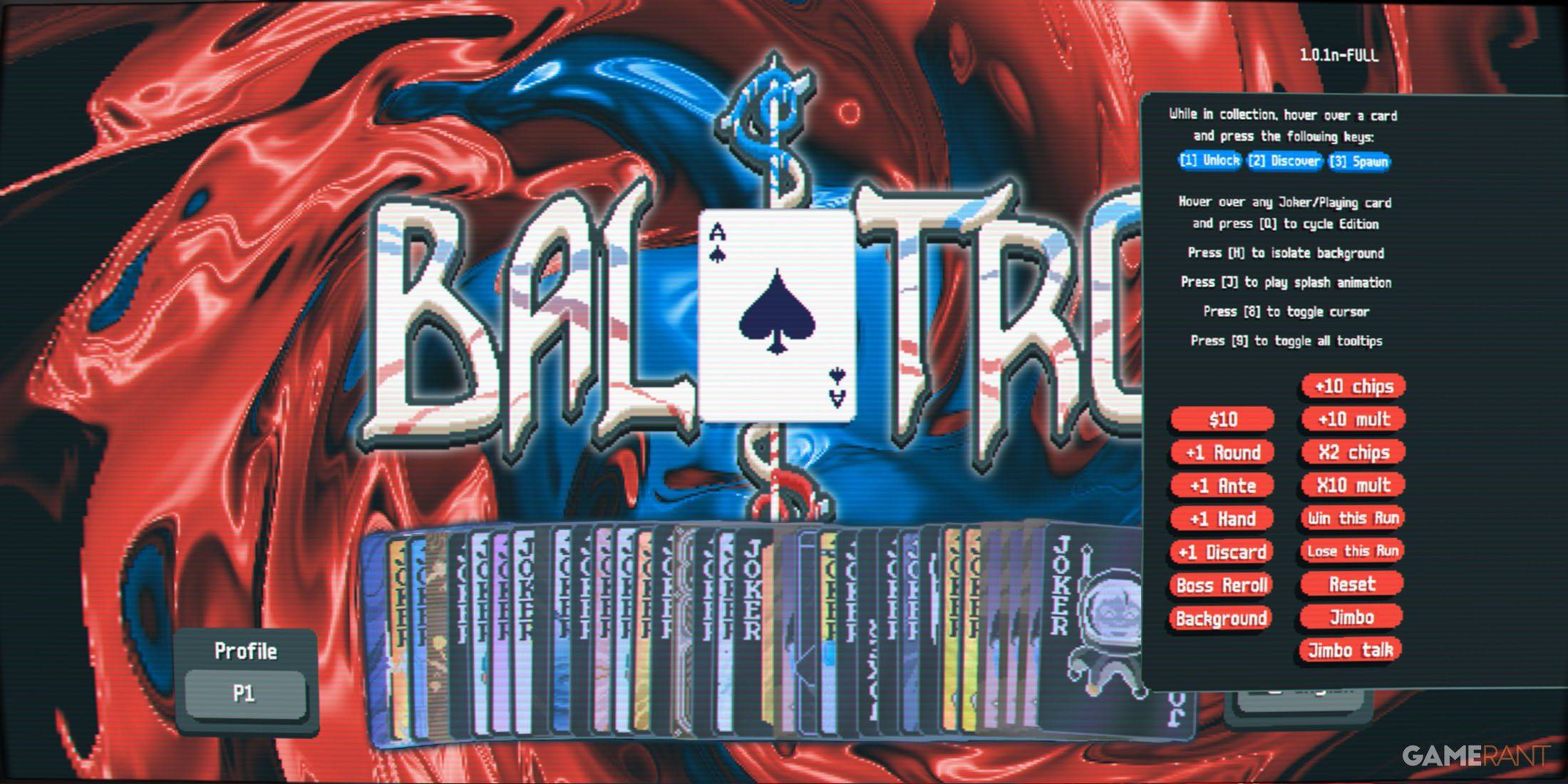 Apr 05,25Balatro -Cheats: Zugriff auf den Debug -Menüführer Balatro eroberte die Gaming -Welt im Sturm bei seiner Veröffentlichung Anfang 2024, verkaufte über 3,5 Millionen Exemplare und holte drei von fünf Nominierungen bei den Game Awards 2024. Das innovative Gameplay und die endlose Wiederholbarkeit haben es unter den Spielern zum Favoriten gehalten. Wenn die Spieler in seiner MEC besser geschickt werden
 -
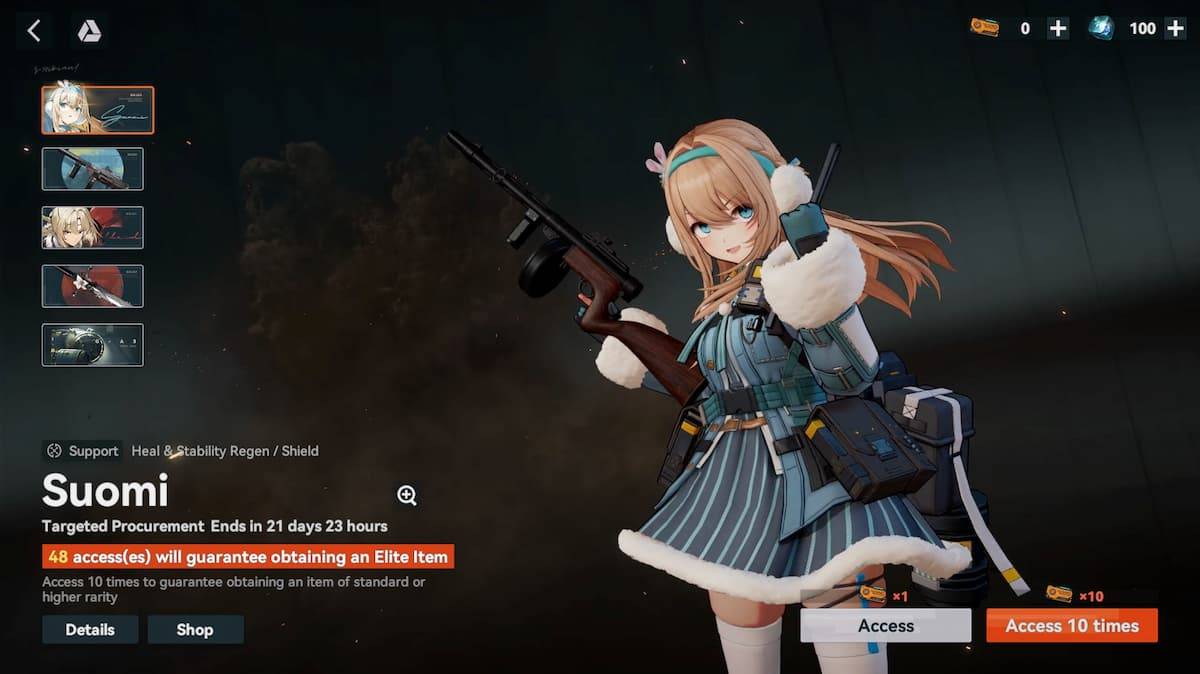 Jan 16,25Girls' FrontLine 2: Exilium-Stufenliste veröffentlicht Ein weiteres kostenloses Gacha-Spiel, ein weiteres Charakter-Ranking als Leitfaden für Ihre Investitionsentscheidungen. Diese Liste der Charakterstufen von Girls’ Frontline 2: Exilium hilft Ihnen dabei, Prioritäten zu setzen, welche Charaktere Ihre Ressourcen wert sind. Girls’ Frontline 2: Exilium-Charakterstufenliste Hier finden Sie eine Aufschlüsselung der aktuell verfügbaren Angebote
 -
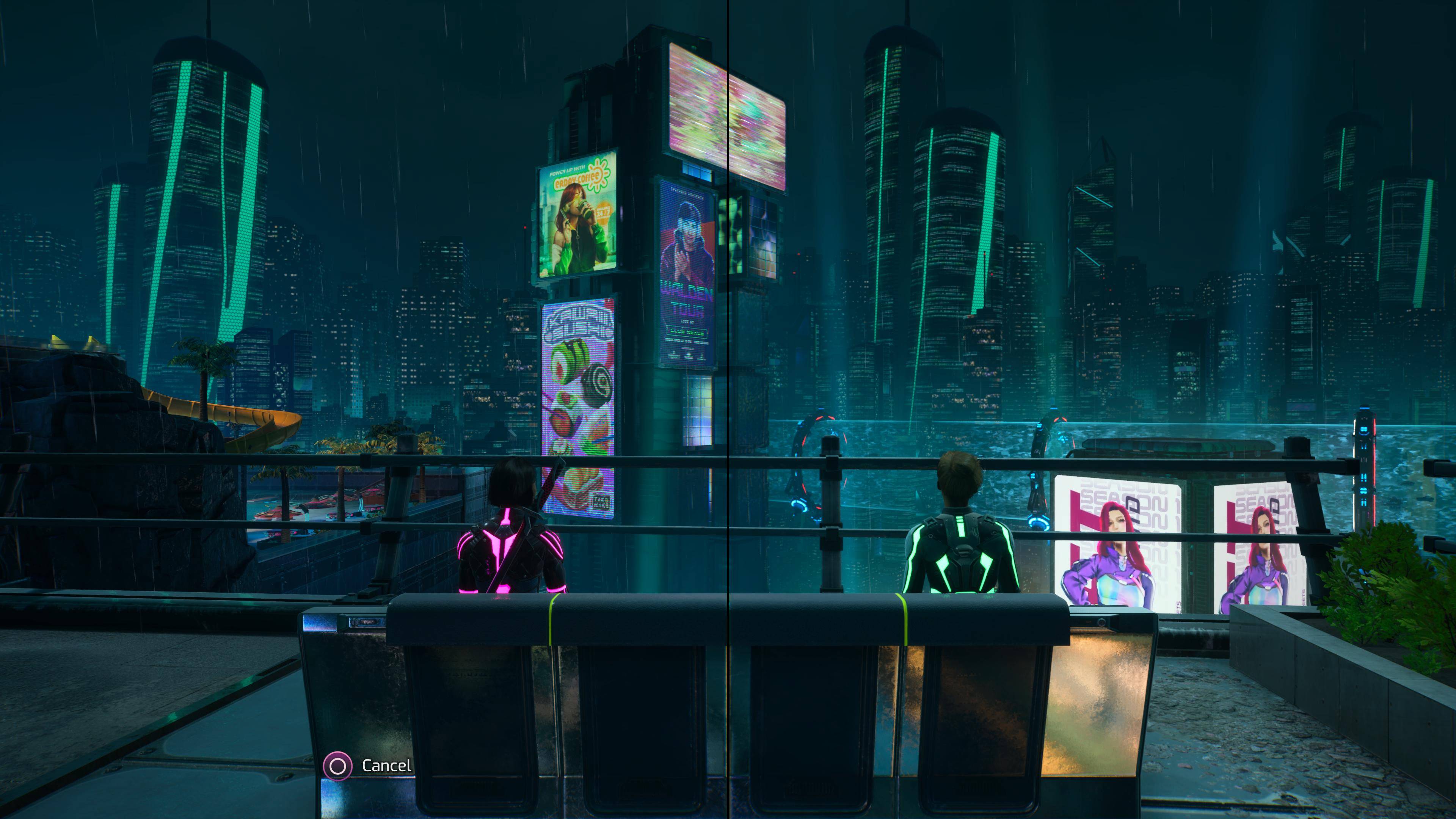 Mar 17,25Alle Split -Fiction -Erfolge und wie man sie entsperren Tauchen Sie in die faszinierende Koop-Abenteuer-Split-Fiktion von Hazmonnight Studios! Dieser Leitfaden beschreibt jede Leistung und sorgt dafür, dass Sie und Ihr Partner jede Herausforderung erobern. Während einige Trophäen natürlich durch die Geschichte verdient werden, erfordern viele gründliche Erkundungen und einzigartige Handlungen. Verwenden Sie diese g
 -
 Mar 19,25Wie erklärt Dragon Ball Daimas Finale Goku nie in Super Saiyan 4? Die klimatische Schlacht im Finale von Dragon Ball Daima passt Gomah gegen Goku an und zeigt Gokus neu erworbene Form. Diese Episode führte natürlich viele Fans dazu, eine Erklärung für die Abwesenheit von Super Saiyan 4 in Super zu erwarten. Wie geht das Finale dies an? In Episode 19, nach Glorios Wunschwish -Wiederherstellung