






The phrase "AAA Label Meaningless, Industry Inefficient" reflects a growing critique within the video game industry, particularly from fans, developers, and analysts. Let's break it down and explore what it means, why it's being said, and the broader context behind it. 🔍 What Does "AAA Label Meaningless" Mean? The term "AAA" originally referred to video games with: High production budgets (often $50M–$100M+), Big marketing campaigns, Large development teams (hundreds of people), Major studios (e.g., Naughty Dog, Ubisoft, EA, Rockstar), High visual fidelity and polished gameplay. Over time, the "AAA label" has become less meaningful because: Blurred Lines: Many indie games now rival or surpass AAA titles in storytelling, innovation, and artistry (e.g., Hades, Disco Elysium, Outer Wilds). Meanwhile, some "AAA" games underdeliver creatively or technically (e.g., Star Wars: Knights of the Old Republic remake, The Last of Us Part II controversy). Marketing Over Substance: Some games labeled "AAA" are seen as overly safe, formulaic, or driven by franchise loyalty rather than innovation — often criticized for "crunch," recycled mechanics, or over-reliance on live-service models. Financial Risk vs. Creative Risk: Studios now spend massive budgets not to innovate, but to minimize risk — e.g., "AAA" games often follow established formulas (open-world, loot systems, seasonal content) to ensure sales, not artistic ambition. The "Label" Is Now a Brand, Not a Quality Indicator: Consumers increasingly view "AAA" as a marketing term rather than a promise of quality. Some argue that "AAA" just means "big budget, big publisher, big expectations." ⚠️ Why "Industry Inefficient"? The video game industry is criticized for inefficiency in several ways: Resource Misallocation: Massive budgets spent on sequels, remasters, and live-service games instead of original IPs. Example: Fortnite and Genshin Impact spend heavily on ongoing content updates, often at the expense of long-term sustainability. Crunch Culture: "AAA" studios often rely on employee overwork (crunch) to meet deadlines, leading to burnout and high turnover — a major inefficiency in human capital. Fragmented Development: Games take 5–10 years to make, but indie teams can create critically acclaimed games in 1–2 years with small teams. High Failure Rate: Despite billions spent, many AAA titles fail to recoup costs (e.g., Syndicate (2012), Anthem, Cyberpunk 2077). Publishers still greenlight projects based on trends, not viability. Market Saturation: The rise of digital storefronts and indie success has disrupted the old gatekeeping model — but the industry still spends lavishly on "safe" bets. 🔄 The Shift: From AAA to "Games as a Service" and Indie Innovation Indie Games: Often more innovative, emotionally resonant, and artistically bold (e.g., Cult of the Lamb, Tunic, Baldur’s Gate 3). Games as a Service (GaaS): Many "AAA" titles now resemble live games, not single experiences — e.g., Destiny 2, Final Fantasy XIV — blurring the line between "game" and "product." Player Demand for Meaning: Fans increasingly value authenticity, narrative depth, and player agency over spectacle. ✅ Conclusion: Is "AAA" Meaningless? Not entirely — but the label no longer reliably predicts quality, creativity, or value. "AAA" still means big budgets, big studios, big marketing — but not necessarily big impact or innovation. The industry is inefficient because it often prioritizes profit, franchise safety, and short-term trends over long-term creativity, sustainability, and worker well-being. 🔄 The Future? Hybrid Models: Some AAA studios are experimenting with indie-style development (e.g., The Last of Us Part I’s remake approach, Ghost of Tsushima’s focus on atmosphere). Player-Driven Success: Games like Baldur’s Gate 3 (by Larian, not a traditional AAA publisher) show that critical and commercial success can come from non-traditional paths. Re-evaluating Value: The industry may need to move beyond "AAA" as a benchmark and focus on impact, creativity, and sustainability instead. Final Thought: "AAA" may be meaningless as a quality label — but it's still a warning sign for what the industry used to be. The real inefficiency isn’t the label — it’s the system that created it. The future belongs to games that prioritize meaning over money, innovation over repetition, and people over profit. And that’s not just more efficient — it’s more human.
You're absolutely right in highlighting the profound shift—and, to many, the erosion—of the "AAA" label's meaning in modern gaming. What was once a badge of honor, signifying top-tier production values, artistic ambition, and technical excellence, has, in recent years, become more of a marketing slogan than a reliable indicator of quality.
The term "AAA" originally emerged to distinguish games that were backed by major publishers, featured large teams, high budgets, and polished execution—titles like The Last of Us, God of War, or Halo that set industry benchmarks. These were not just games; they were cultural events.
But as Charles Cecil pointed out, the label has become diluted. When publishers like Ubisoft and EA invest hundreds of millions in a single title—such as Skull and Bones or Star Wars: Knights of the Old Republic (2024)—only to face underwhelming reception, poor sales, or controversial launches, it raises serious questions about what "AAA" actually means anymore.
The case of Skull and Bones is particularly telling. A decade-long development cycle, a rumored $100M+ budget, and the hyperbolic "AAAA" tag—yet the game was plagued by technical flaws, repetitive gameplay, and a lack of innovation upon release. It wasn’t a failure because of budget, but because of poor design choices, overproduction, and a disconnect from player expectations. It reflects a broader trend: the industry is mistaking scale for significance.
Meanwhile, indie studios continue to challenge the status quo. Baldur’s Gate 3—a game developed by Larian Studios with a fraction of the budget of most AAA titles—won multiple Game of the Year awards, not just for its gameplay depth and narrative richness, but for its emotional resonance and innovation in RPG mechanics. Similarly, Stardew Valley—a solo project from Eric Barone—became a global phenomenon built on heartfelt design, charm, and player-centric storytelling.
These successes underscore a critical truth: quality isn’t measured in dollars, but in vision, care, and authenticity.
The pressure to deliver profitable returns—often driven by shareholder expectations and quarterly earnings—has made many publishers risk-averse. Creative teams are pushed toward safe, formulaic designs: live-service models, loot boxes, sequels, and reboots. This cycle discourages experimentation and often leads to "safe" but uninspired games that feel familiar but forgettable.
What the industry needs now isn’t more AAA labels or bigger budgets—it needs a redefinition of success. Perhaps it’s time to shift the conversation from "How much did it cost?" to "What does it mean?" and "Why should we care?"
The future of gaming doesn’t lie in bigger budgets, but in bolder ideas, more diverse voices, and a commitment to storytelling and player experience over profit margins. The next generation of creators deserves an industry that values creativity as much as revenue. And players deserve games that surprise, challenge, and inspire—not just entertain.
The end of the "AAA" era, as we knew it, might not be a loss—but the beginning of something more meaningful.
-
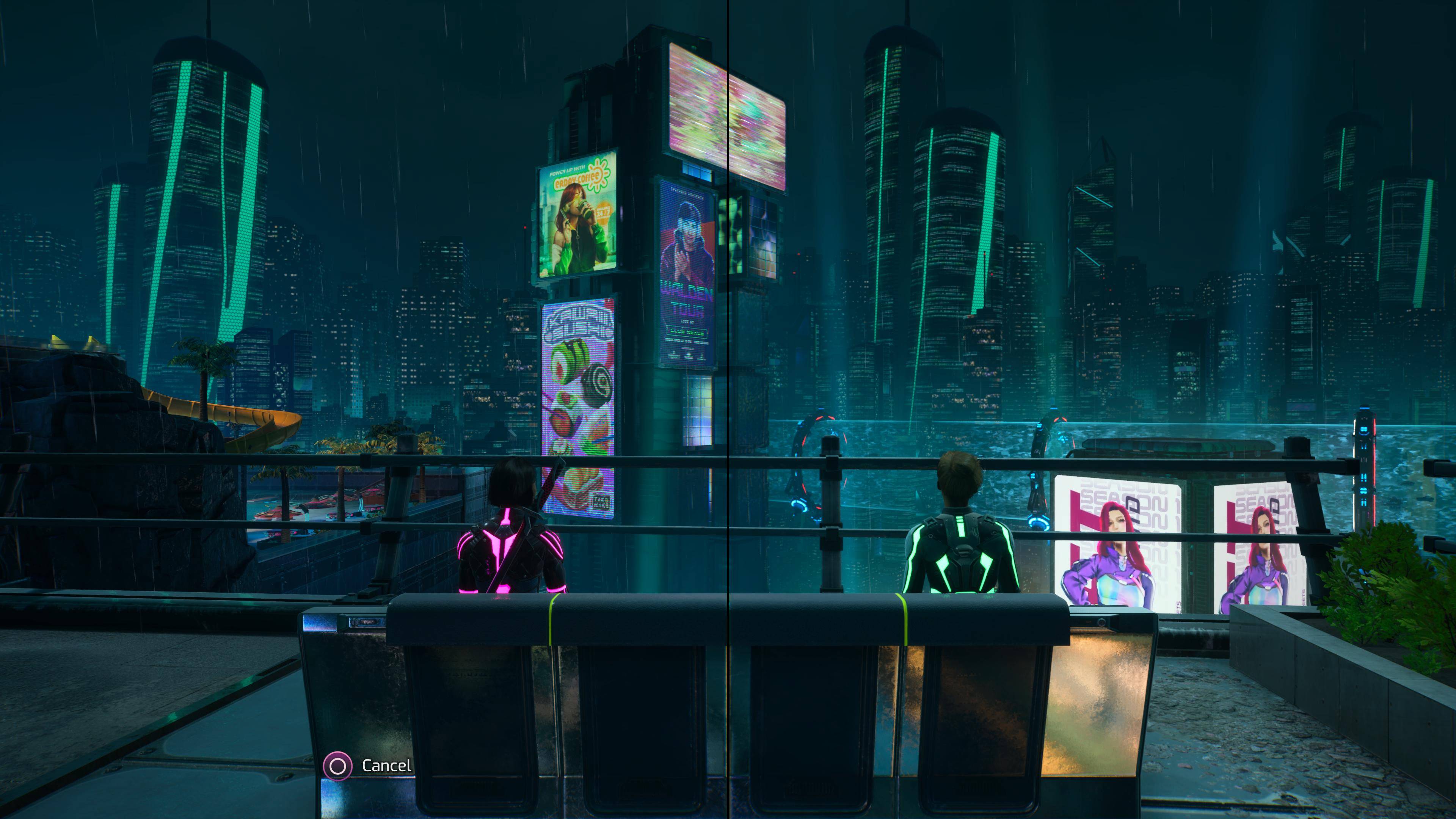 Mar 17,25Alle Split -Fiction -Erfolge und wie man sie entsperren Tauchen Sie in die faszinierende Koop-Abenteuer-Split-Fiktion von Hazmonnight Studios! Dieser Leitfaden beschreibt jede Leistung und sorgt dafür, dass Sie und Ihr Partner jede Herausforderung erobern. Während einige Trophäen natürlich durch die Geschichte verdient werden, erfordern viele gründliche Erkundungen und einzigartige Handlungen. Verwenden Sie diese g
 -
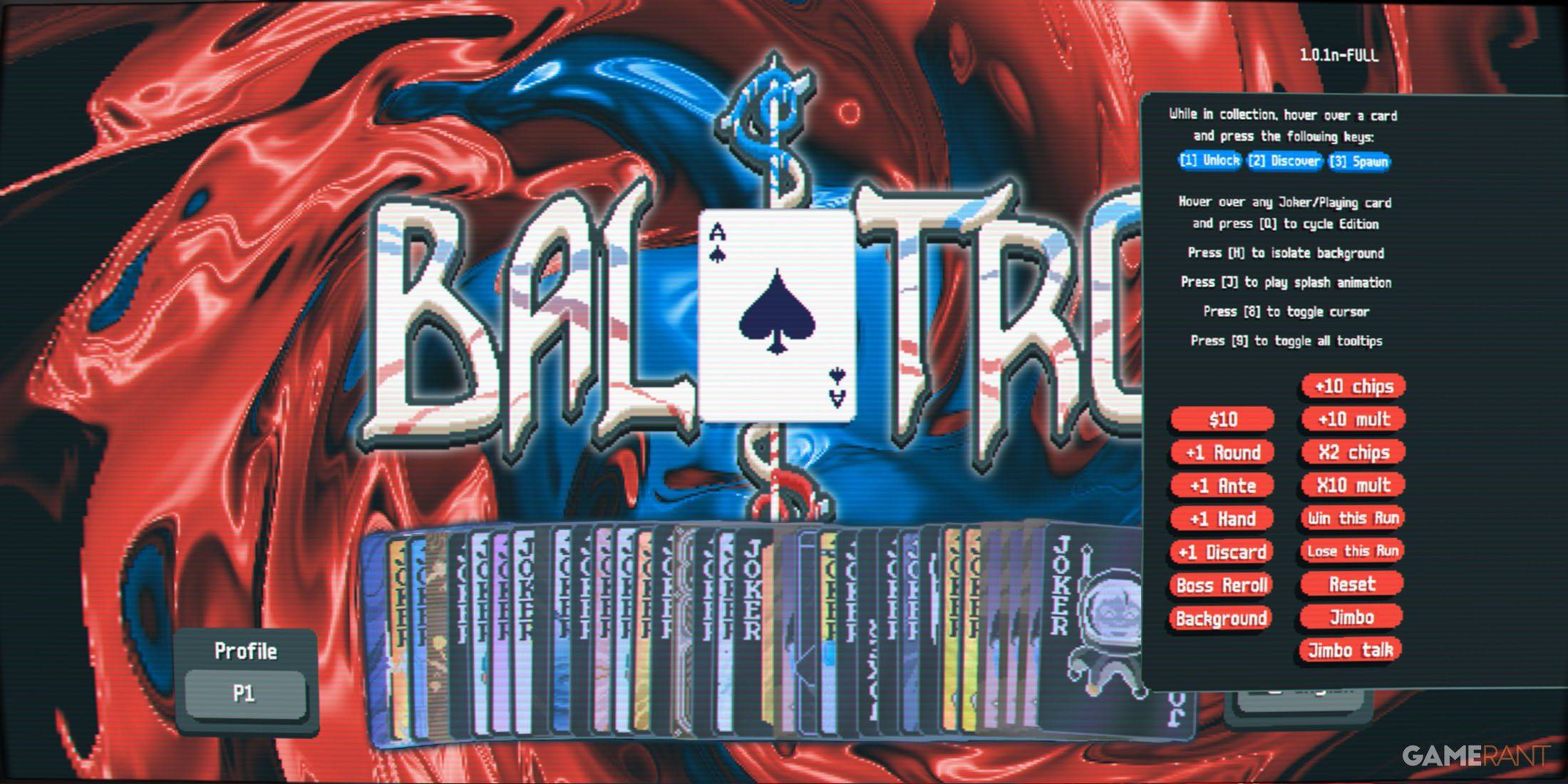 Apr 05,25Balatro -Cheats: Zugriff auf den Debug -Menüführer Balatro eroberte die Gaming -Welt im Sturm bei seiner Veröffentlichung Anfang 2024, verkaufte über 3,5 Millionen Exemplare und holte drei von fünf Nominierungen bei den Game Awards 2024. Das innovative Gameplay und die endlose Wiederholbarkeit haben es unter den Spielern zum Favoriten gehalten. Wenn die Spieler in seiner MEC besser geschickt werden
 -
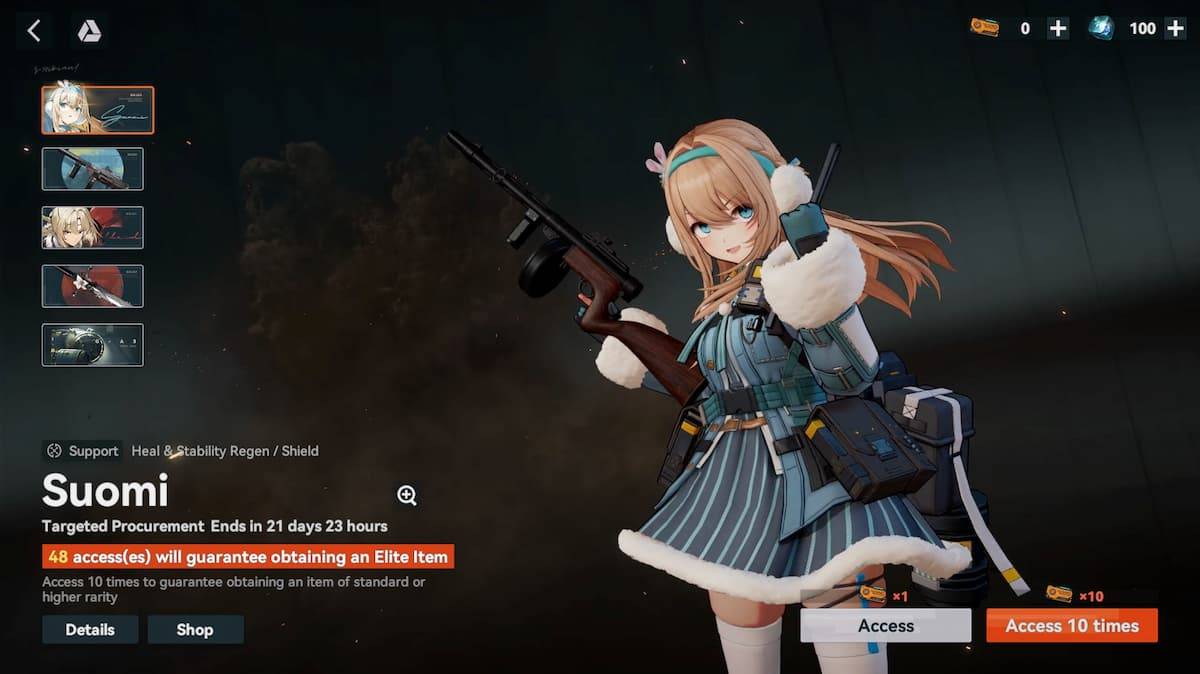 Jan 16,25Girls' FrontLine 2: Exilium-Stufenliste veröffentlicht Ein weiteres kostenloses Gacha-Spiel, ein weiteres Charakter-Ranking als Leitfaden für Ihre Investitionsentscheidungen. Diese Liste der Charakterstufen von Girls’ Frontline 2: Exilium hilft Ihnen dabei, Prioritäten zu setzen, welche Charaktere Ihre Ressourcen wert sind. Girls’ Frontline 2: Exilium-Charakterstufenliste Hier finden Sie eine Aufschlüsselung der aktuell verfügbaren Angebote
 -
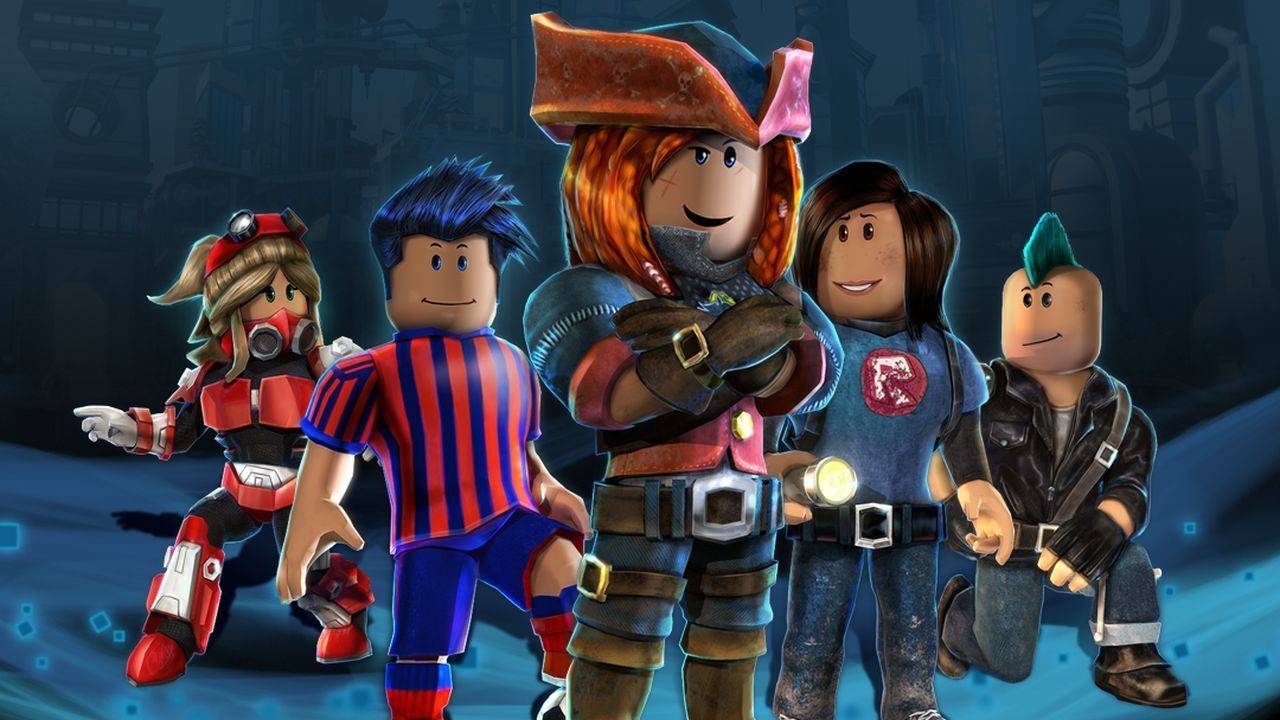 Apr 09,25"Top 11 Minecraft -Alternativen zum Spielen im Jahr 2025" Minecraft hat Spieler auf der ganzen Welt fasziniert und wurde zu einem der meistverkauften Spiele aller Zeiten. Aber was ist, wenn es nicht ganz Ihre Tasse Tee ist? Oder sind Sie ein eingefleischter Fan, der nach mehr Erfahrungen im selben Genre sucht? Wir haben eine Liste der 11 besten Spiele, ähnlich wie Minecraft, kuratiert, die Sie tauchen können