






Game Devs Call "AAA" Label Meaningless, Industry Inefficient
Game developers widely agree that the "AAA" label has lost its original significance. Initially used to describe projects with massive budgets, exceptional quality, and minimal risk of failure, it is now frequently associated with a profit-driven race that sacrifices both innovation and quality.
Charles Cecil, co-founder of Revolution Studios, described the term as "silly and meaningless." He observed that the industry shifted as major publishers started pouring enormous resources into games, yet not necessarily for the better.
"It's a silly term—it's meaningless. It’s a leftover from a period of change that didn't lead to improvement," Cecil remarked.
Ubisoft’s Skull and Bones serves as a prime example. The company referred to it as a "AAAA game," but after a decade in development, it ultimately failed—highlighting how empty such labels can be.
Other large publishers, such as EA, have also faced criticism. Both players and developers accuse them of prioritizing mass production over the interests of their audience.
In contrast, independent studios often deliver projects that leave a more lasting impact than so-called "AAA" titles. Games like Baldur’s Gate 3 and Stardew Valley prove that creativity and quality matter far more than budget size.
Many argue that the focus on profitability stifles creative freedom. Developers are hesitant to take risks, leading to a decline in innovation within big-budget games. The industry must reconsider its strategies to win back player enthusiasm and inspire the next generation of creators.
-
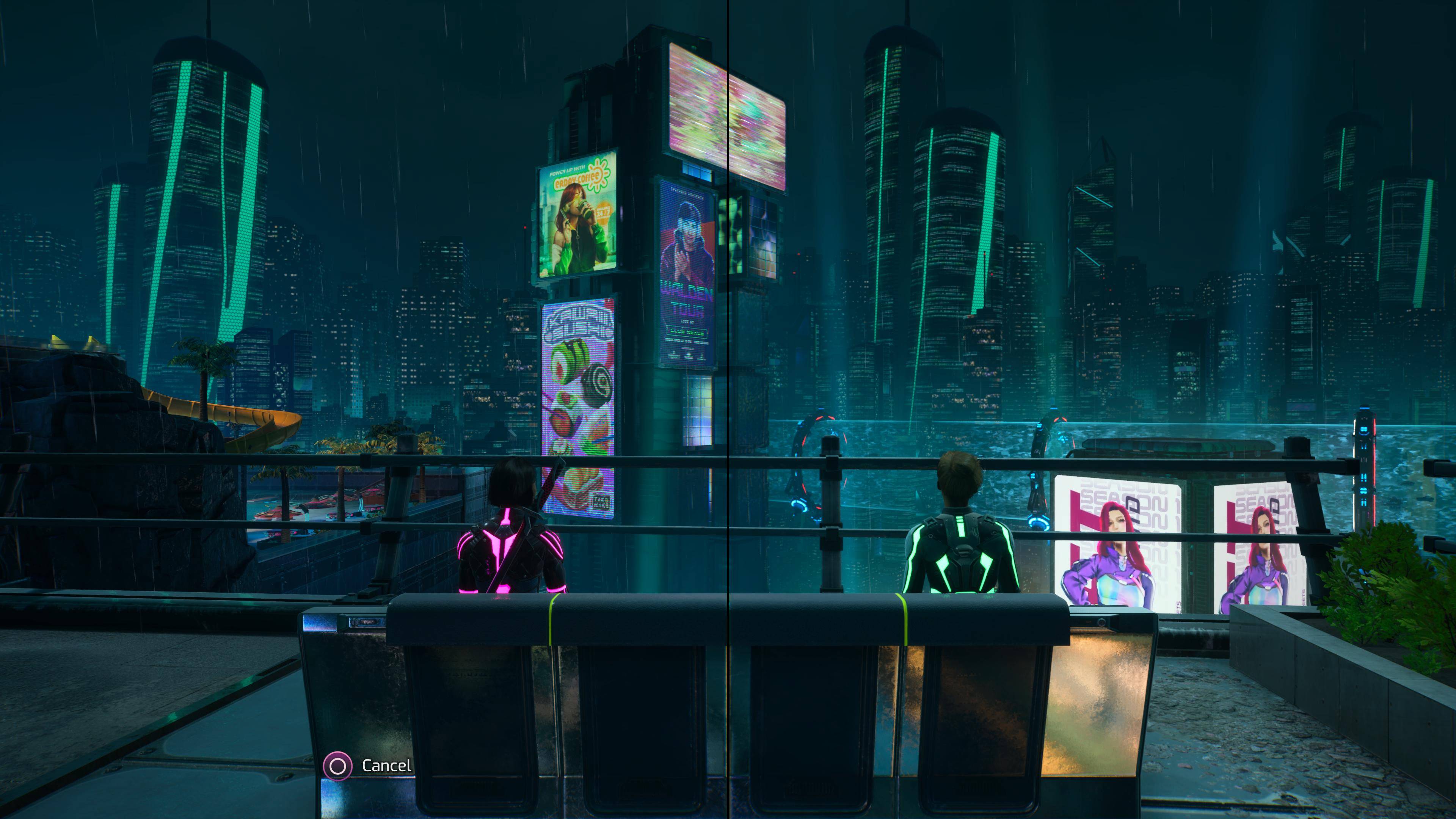 Mar 17,25All Split Fiction Achievements & How to Unlock Them Dive into the captivating co-op adventure Split Fiction from Hazelight Studios! This guide outlines every achievement, ensuring you and your partner conquer every challenge. While some trophies are earned naturally through the story, many require thorough exploration and unique actions. Use this g
 -
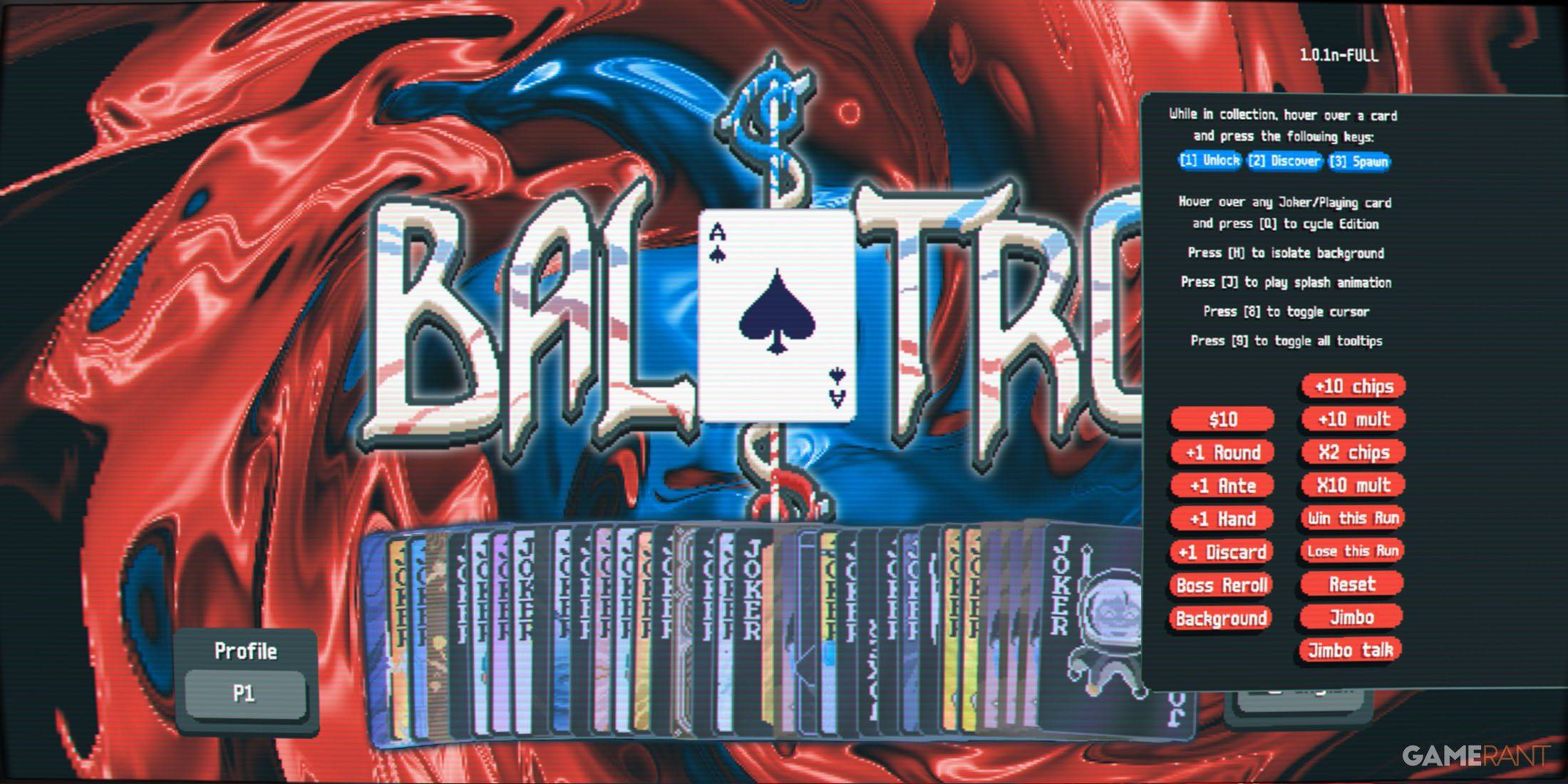 Apr 05,25Balatro Cheats: Accessing the Debug Menu Guide Balatro took the gaming world by storm upon its release in early 2024, selling over 3.5 million copies and clinching three out of five nominations at the 2024 Game Awards. Its innovative gameplay and endless replayability have kept it a favorite among players. As players become more adept at its mec
 -
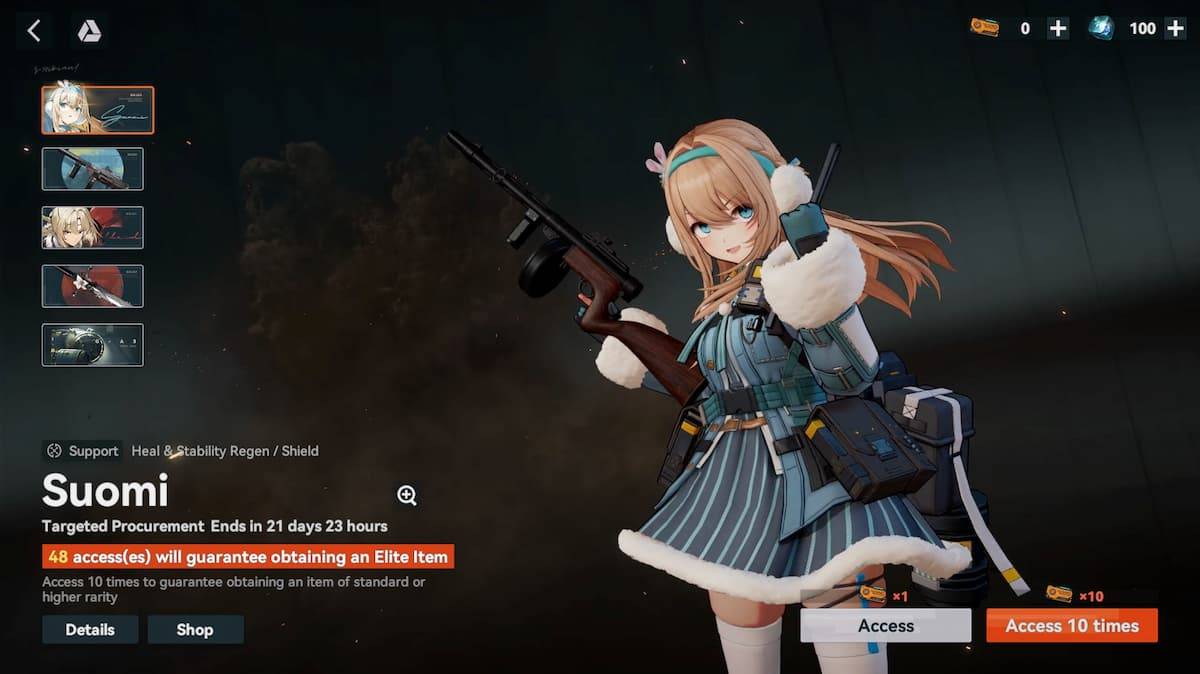 Jan 16,25Girls' Frontline 2: Exilium Tier List Released Another free-to-play gacha game, another character ranking to guide your investment choices. This Girls’ Frontline 2: Exilium character tier list helps you prioritize which characters are worth your resources. Girls’ Frontline 2: Exilium Character Tier List Here's a breakdown of currently available
 -
 Apr 09,25"Top 11 Minecraft Alternatives to Play in 2025" Minecraft has captivated gamers around the globe, becoming one of the best-selling games ever. But what if it's not quite your cup of tea? Or perhaps you're a die-hard fan looking for more experiences in the same genre? We've curated a list of the 11 best games similar to Minecraft that you can dive