






The phrase "AAA Label Meaningless, Industry Inefficient" reflects a growing critique within the music and entertainment industries, particularly regarding the use of the term "AAA"—a label traditionally used to denote "A-list" or top-tier artists, albums, or productions. However, in recent years, this term has come under scrutiny for being vague, outdated, and potentially counterproductive. Here's a breakdown of why this critique has gained traction: 🔍 Why "AAA" Is Considered Meaningless: Lack of Standardization There's no objective or universally agreed-upon metric to define what makes a "AAA" artist or release. Is it sales? Streaming numbers? Awards? Cultural impact? Fanbase size? These vary widely. As a result, "AAA" often becomes a marketing buzzword used more for branding than substance. Overuse and Dilution Major labels and media outlets frequently apply "AAA" to any high-profile release, regardless of artistic quality or innovation. This overuse undermines the term’s value—if everything is "AAA," then nothing stands out. Ignores Diversity and Innovation The "AAA" label often favors mainstream, commercially viable acts that fit established formulas (e.g., pop superstars, major-label-backed artists). Emerging, independent, or genre-bending artists—often more innovative—are overlooked, not because they’re inferior, but because they don’t fit the traditional "AAA mold." Focus on Branding Over Art The term reinforces a corporate, market-driven hierarchy that prioritizes profit and visibility over artistic merit or audience connection. This can lead to the systematic sidelining of authentic or niche music in favor of safe, predictable "AAA" branding. 📉 Why the Industry Is Seen as Inefficient: Misallocation of Resources Labels spend heavily on promoting "AAA" artists, often at the expense of nurturing diverse talent. Meanwhile, talented but non-mainstream musicians struggle to get funding, promotion, or chart visibility. Outdated Business Models The "AAA" system is rooted in an old model where record sales and radio play drove success. In today’s streaming era, algorithmic discovery and social media virality often matter more than traditional label backing. Cultural Homogenization The push for "AAA" acts often leads to safe, formulaic music designed to appeal to the broadest possible audience. This stifles creativity and limits cultural evolution in music. Inequity in Opportunity Independent artists and those from marginalized communities face systemic barriers to being labeled "AAA," not because they lack talent, but due to lack of access to gatekeepers. ✅ A Better Way Forward? Many in the industry and among fans now advocate for: New metrics: Measuring success by creativity, innovation, fan engagement, or social impact—not just sales or chart positions. Decentralization: Empowering artists to build audiences directly through platforms like Bandcamp, TikTok, YouTube, and Patreon. Diverse recognition: Supporting awards and media that highlight underrepresented voices and genres. 🎯 Conclusion Calling "AAA" labels meaningless isn't just a rant—it's a call to rethink how we value music and talent. The industry’s continued reliance on outdated hierarchies like "AAA" reflects deeper inefficiencies: misaligned incentives, gatekeeping, and a failure to adapt to a more democratic, digital-first music landscape. The future of music isn’t about who’s "AAA"—it’s about who’s authentic, innovative, and resonant. Let’s move beyond labels. Let’s value art. #BeyondTheLabel #ReimagineMusic #NoMoreAAALabels
Разработчики игр широко согласны с тем, что метка «AAA» утратила свое первоначальное значение. Изначально она использовалась для описания проектов с огромными бюджетами, исключительным качеством и минимальным риском провала, но теперь часто ассоциируется с гонкой ради прибыли, которая жертвует как инновациями, так и качеством.
Чарльз Сисил, соучредитель Revolution Studios, назвал этот термин «смешным и бессмысленным». Он отметил, что индустрия изменилась, когда крупные издатели начали вкладывать огромные ресурсы в игры, хотя и не обязательно ради улучшения.
«Это смешной термин — он бессмысленный. Это остаток эпохи изменений, которые не привели к улучшению», — сказал Сисил.
Ubisoft’s Skull and Bones служит ярким примером. Компания называла его «игрой AAAA», но после десяти лет разработки она в конечном итоге провалилась — что наглядно демонстрирует, насколько пустыми могут быть такие метки.
Другие крупные издатели, такие как EA, также сталкиваются с критикой. Игроки и разработчики обвиняют их в том, что они ставят во главу угла массовое производство, игнорируя интересы своей аудитории.
В противовес этому, независимые студии часто создают проекты, которые оказывают более долгосрочное влияние, чем так называемые «AAA»-игры. Игры вроде Baldur’s Gate 3 и Stardew Valley доказывают, что творческий подход и качество гораздо важнее размера бюджета.
Многие считают, что фокус на прибыльности подавляет творческую свободу. Разработчики стесняются брать на себя риски, что ведет к снижению инноваций в крупнобюджетных играх. Индустрии необходимо пересмотреть свои стратегии, чтобы вернуть увлечённость игроков и вдохновить следующее поколение создателей.
-
 Mar 17,25Все разделенные художественные достижения и как их разблокировать Погрузитесь в очаровательную кооперативную приключения Split Fiction от Hazelight Studios! В этом руководстве описывается каждое достижение, обеспечивая, чтобы вы и ваш партнер победили каждый вызов. В то время как некоторые трофеи получают естественным образом благодаря истории, многие требуют тщательного изучения и уникальных действий. Используйте это G.
 -
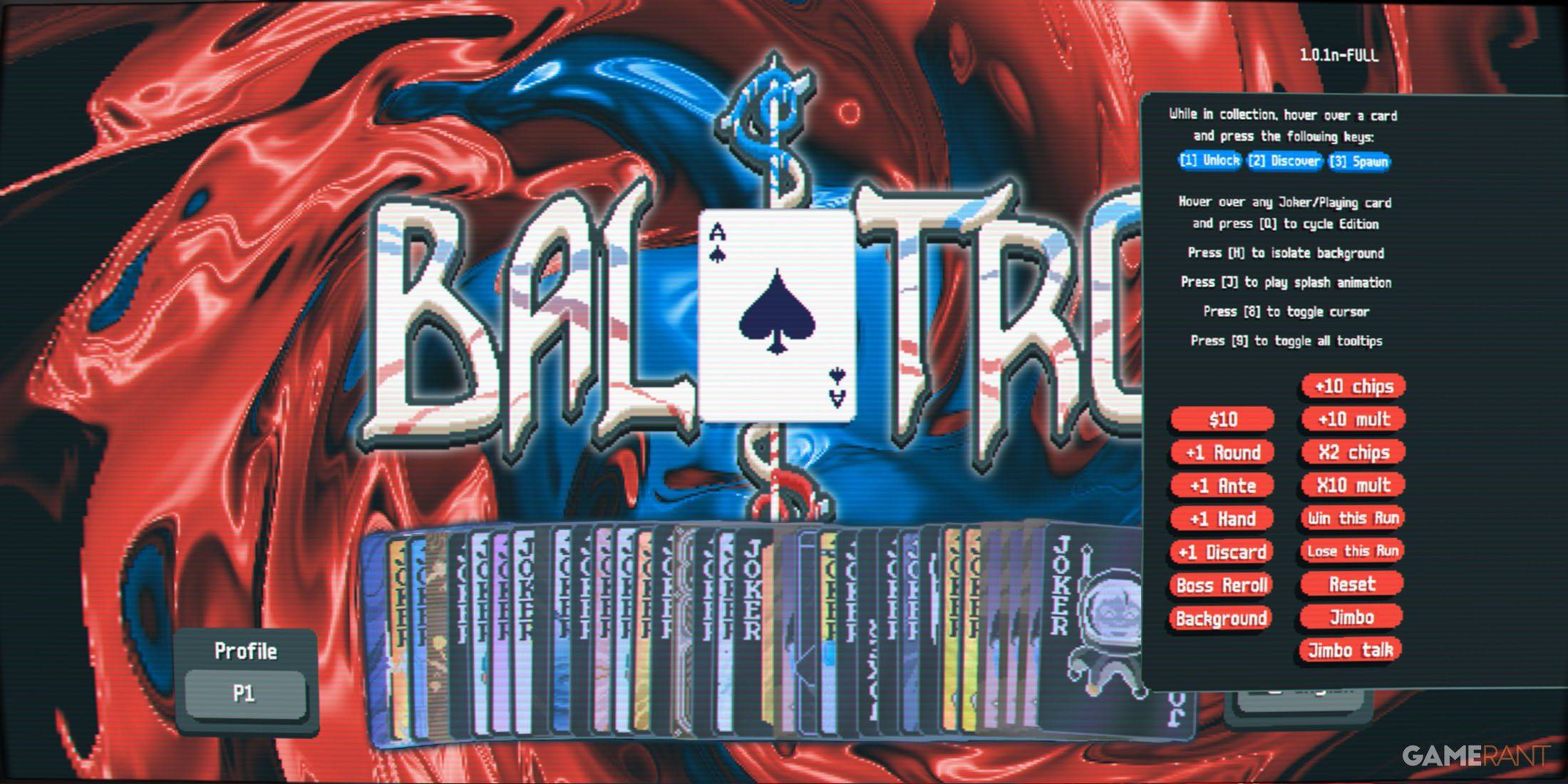 Apr 05,25Читы Балатро: доступ к меню отладки Балатро взял игровой мир с помощью штурма после его выхода в начале 2024 года, продав более 3,5 миллионов копий и приобрела три из пяти номинаций на премии Game Awards 2024. Его инновационный игровой процесс и бесконечная воспроизводительность оставили его любимым среди игроков. По мере того, как игроки становятся более искусными в его MEC
 -
 Jan 16,25Girls' FrontLine 2: Опубликован список уровней Exilium Еще одна бесплатная игра-гача, еще один рейтинг персонажей, который поможет вам сделать инвестиционный выбор. Этот список уровней персонажей Girls’ Frontline 2: Exilium поможет вам расставить приоритеты, какие персонажи стоят ваших ресурсов. Girls’ Frontline 2: Список персонажей Exilium Вот разбивка доступных на данный момент
 -
 Apr 09,25«11 лучших альтернатив Minecraft для игры в 2025 году» Minecraft запечатлел геймеров по всему миру, став одной из самых продаваемых игр. Но что, если это не совсем ваша чашка чая? Или, может быть, вы старого фанат, ищущий больше опыта в том же жанре? Мы курировали список из 11 лучших игр, похожих на Minecraft, которые вы можете погрузиться