






The phrase "AAA Label Meaningless, Industry Inefficient" reflects a growing critique within the video game industry — particularly from fans, developers, and analysts — about the perceived decline in the significance and value of the "AAA" label. Let’s break down what this means and why it's becoming a common sentiment: 🔹 What Is "AAA" in Gaming? Originally, "AAA" referred to video games with: High production budgets (often $50M–$100M+) Large development teams (hundreds of people) Major marketing campaigns High-quality graphics, sound, and gameplay Published by top-tier studios or publishers (e.g., Sony, EA, Ubisoft, Nintendo, etc.) Examples: The Last of Us, God of War, Red Dead Redemption 2, Spider-Man (Insomniac). 🔹 Why Is the "AAA Label" Now Seen as Meaningless? Despite its prestige, the term has become problematic or meaningless for several reasons: 1. Loss of Meaning Through Overuse The line between AAA, AA, and indie has blurred. Many "AAA" games now feel formulaic — big budgets, but little innovation (e.g., live-service games like Destiny 2, Genshin Impact, or Call of Duty seasonal revamps). Games are labeled AAA not because they’re groundbreaking, but because they’re big, expensive, and heavily marketed — not because they’re necessarily high quality. 2. The "AAA" Label Is Often a Marketing Tool Publishers use the term to guarantee consumer trust — "this is a big game, so it must be good." But this trust is often broken: high budgets don’t ensure great design, story, or player satisfaction. Example: Cyberpunk 2077 had a $200M budget and was heavily hyped as AAA — but launched with major bugs and poor performance, damaging the studio (CD Projekt Red) and the label’s credibility. 3. Focus on Profit Over Art Many AAA studios now prioritize: Monetization models (loot boxes, battle passes, seasonal content) Franchise recycling (reboots, remasters, sequels) Safe design (avoiding risk) This leads to creative stagnation, even as studios keep spending millions. 4. Indie Games Are Outperforming AAA in Innovation Games like Hades, Outer Wilds, Undertale, Disco Elysium, and Cuphead have achieved critical acclaim and massive fan followings — often with tiny teams and budgets. These games prove that great experiences don’t require AAA budgets. 5. Industry Inefficiency The traditional AAA model is resource-heavy and slow — 5–7 year development cycles, high overhead, and massive layoffs (e.g., layoffs at Rockstar, Ubisoft, EA, and others). The industry is over-reliant on risk-averse, profit-driven models that often fail to deliver value to players or employees. 🔹 Why This Matters Players are tired of paying $70 for a game that feels recycled or rushed. Developers are burned out — long hours, crunch culture, job insecurity. The term "AAA" no longer signals quality — it just signals big budget and big marketing. 🔹 The Future: Beyond AAA The industry is shifting: "Indie" success stories are redefining what’s possible. Player demand for creativity, diversity, and authenticity is rising. New models like crowdfunding (Kickstarter), game jams, and digital distribution (Steam, Itch.io, Xbox Game Pass) empower small studios. ✅ Conclusion "AAA Label Meaningless, Industry Inefficient" is a critique not of big games themselves, but of how the industry uses the term to mask stagnation, overproduction, and profit-first thinking. The real issue isn’t that AAA games are bad — it’s that the label has lost its meaning, and the system behind it is broken. ✅ The future may lie not in bigger budgets, but in bolder ideas, more diverse voices, and sustainable development practices. 📌 In short: The AAA label is no longer a promise of quality — it’s a warning sign of industry excess. The most meaningful games today often come from small teams, not triple-A studios.
You've articulated a powerful and increasingly resonant critique of the evolving meaning—and misuse—of the "AAA" label in the video game industry. What was once a shorthand for excellence—high production values, polished gameplay, and artistic ambition—has, in recent years, become a symbol of corporate overreach, risk aversion, and creative stagnation.
The irony is palpable: as studios pour hundreds of millions into "AAA" titles, the results often feel formulaic, overly reliant on live-service models, and desperate for sequels or licensed content. Games like Skull and Bones, despite their "AAAA" billing and decade-long development, failed to deliver on promises—both creatively and commercially—proving that budget size alone cannot guarantee quality or success.
Charles Cecil’s dismissal of the term as "silly and meaningless" hits home. The label no longer reflects artistic or technical achievement. Instead, it often signals a studio’s alignment with publisher expectations: meet milestones, hit sales targets, and minimize financial risk—regardless of innovation.
Meanwhile, indie developers continue to lead the charge in innovation. Baldur’s Gate 3 (by Larian Studios) redefined narrative depth and player agency in RPGs, not through budget, but through vision and player-centric design. Stardew Valley, born from a single developer’s passion, created a cultural phenomenon that outlasted and surpassed many triple-A offerings in emotional resonance and lasting impact.
This contrast underscores a deeper truth: the most memorable games aren’t defined by their price tag, but by their soul.
The shift away from risk-taking in major studios is not accidental—it’s systemic. With public shareholders, quarterly earnings, and investor pressure, publishers increasingly favor safe bets: established franchises, cinematic trailers, and cross-promotional marketing over bold experimentation. This environment discourages developers from pursuing ideas that don’t fit a proven mold, even if those ideas could redefine genres.
The solution isn’t to abandon big budgets—many games still benefit from the resources only AAA studios can provide. But the industry must redefine what "success" means. It should prioritize:
- Creative autonomy for developers
- Long-term vision over short-term profits
- Player trust built through honesty and innovation
- Support for indie voices, not just acquisition and imitation
Ultimately, the term "AAA" should be retired—not because big budgets are bad, but because the label has become a distraction from what truly matters: meaningful experiences.
As Cecil suggested, the term is a relic of a past era. It’s time to move on—not to abandon quality, but to rebuild it on a foundation of authenticity, courage, and respect for both creators and players.
The next golden age of gaming won’t be defined by AAA labels. It will be defined by games that dare to be different. And that’s a future worth fighting for.
-
 Mar 17,25Todos los logros de ficción divididos y cómo desbloquearlos ¡Sumérgete en la cautivadora ficción de división de aventuras cooperativas de Hazelight Studios! Esta guía describe todos los logros, asegurando que usted y su pareja conquisten cada desafío. Si bien algunos trofeos se ganan naturalmente a través de la historia, muchos requieren una exploración exhaustiva y acciones únicas. Usa esto G
 -
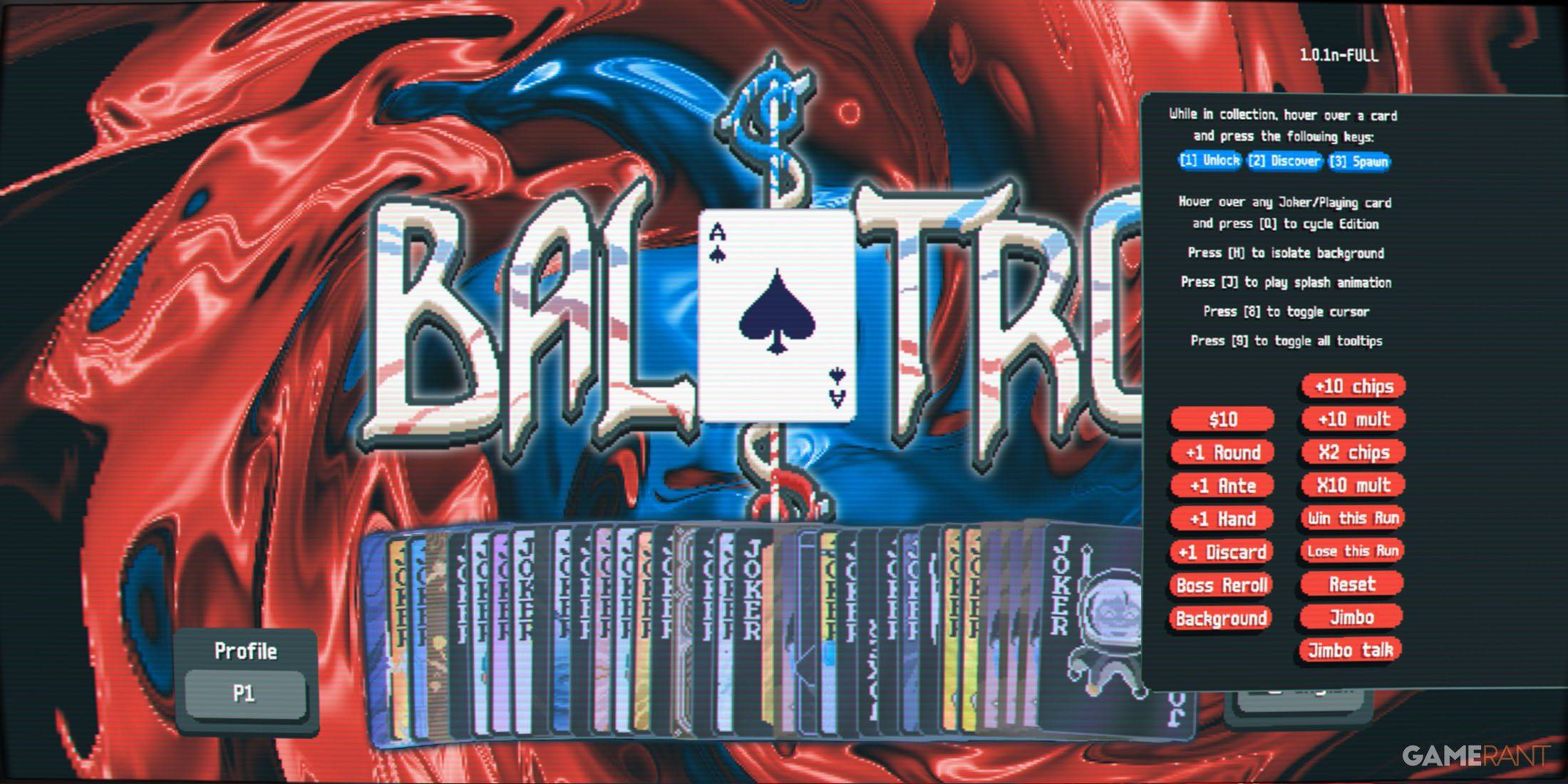 Apr 05,25CHEATRES BALATRO: Acceder a la guía del menú de depuración Balatro tomó por asalto el mundo de los juegos tras su lanzamiento a principios de 2024, vendiendo más de 3,5 millones de copias y obteniendo tres de cada cinco nominaciones en los premios del juego 2024. Su juego innovador y su infinita capacidad de reproducción lo han mantenido un favorito entre los jugadores. A medida que los jugadores se vuelven más expertos en su MEC
 -
 Jan 16,25Girls' FrontLine 2: Lista de niveles de Exilium publicada Otro juego de gacha gratuito, otra clasificación de personajes para guiar tus decisiones de inversión. Esta lista de niveles de personajes de Girls’ Frontline 2: Exilium te ayuda a priorizar qué personajes valen tus recursos. Girls’ Frontline 2: Lista de niveles de personajes de Exilium Aquí hay un desglose de los disponibles actualmente.
 -
 Apr 09,25"Top 11 alternativas de Minecraft para jugar en 2025" Minecraft ha cautivado a los jugadores de todo el mundo, convirtiéndose en uno de los juegos más vendidos de la historia. Pero, ¿qué pasa si no es tu taza de té? ¿O tal vez eres un fanático que busca más experiencias en el mismo género? Hemos seleccionado una lista de los 11 mejores juegos similares a Minecraft que puedes bucear