






¿Está libre este asiento? Es un próximo rompecabezas hilarante que viene a Mobile
Los regalos de juegos saludables y los estudios de Poti Poti están trayendo un nuevo juego encantador a los dispositivos móviles, titulado "¿Se ha tomado este asiento?" Este atractivo juego de rompecabezas lógico se centra en la dinámica social, desafiando a los jugadores a resolver los arreglos de asientos en varios escenarios. El juego también se lanzará en Steam para los entusiastas de las PC.
Marque sus calendarios para el 10 de febrero, ya que una demostración pública de Steam estará disponible. Desarrollado por Poti Poti Studios y publicado por Wholeom Games Presents: "¿Se toma este asiento?" Se espera que llegue a las plataformas Android a finales de este año.
¡Es una comedia!
En el centro de "¿Se toma este asiento?" es Nat, un aspirante a actor inspirado al ver a alguien como ellos en la pantalla grande. Este momento crucial lanza a Nat en un viaje global para conocer a su ídolo y descubrir su lugar en el mundo.
El juego presenta diversos niveles, cada uno presentando escenarios únicos. Desde teatros de cine llenos de gente hasta recepciones de bodas caóticas, los jugadores deben organizar a las personas en los lugares más adecuados. A medida que avanza, desbloquea nuevas configuraciones y escenarios, que van desde viajes en taxi hasta grandes banquetes.
Cada personaje del juego tiene preferencias distintas. Por ejemplo, un amante de la música con melodías fuertes podría no ser el compañero de asiento ideal para un viajero cansado que busca descanso. Del mismo modo, alguien con una nariz sensible preferiría no sentarse junto a alguien empapado en Colonia.
En esencia, "¿Se toma este asiento?" Se trata de colocar estratégicamente a las personas para evitar situaciones incómodas. Es como entrar en el lugar de un gerente de eventos, navegando por las complejidades de las interacciones humanas.
En el móvil, ¿se toma este asiento? Tendrá una variedad de situaciones hilarantes
La versión móvil de "¿Este asiento está tomado?" Se centra en la resolución de rompecabezas divertida y acogedora sin la presión de los temporizadores o tablas de clasificación. Los jugadores asuman el papel de un casamentero, abordando desafíos de asientos cada vez más complejos y dilemas humorísticos con cada nivel.
Actualmente, no hay una página dedicada para "¿Se toma este asiento?" en la tienda de Play. Sin embargo, puede obtener más información sobre el juego visitando su página oficial de Steam.
Antes de ir, no se pierda nuestro próximo artículo sobre el cierre global de Konosuba: Días fantásticos y si recibirá una versión fuera de línea.
-
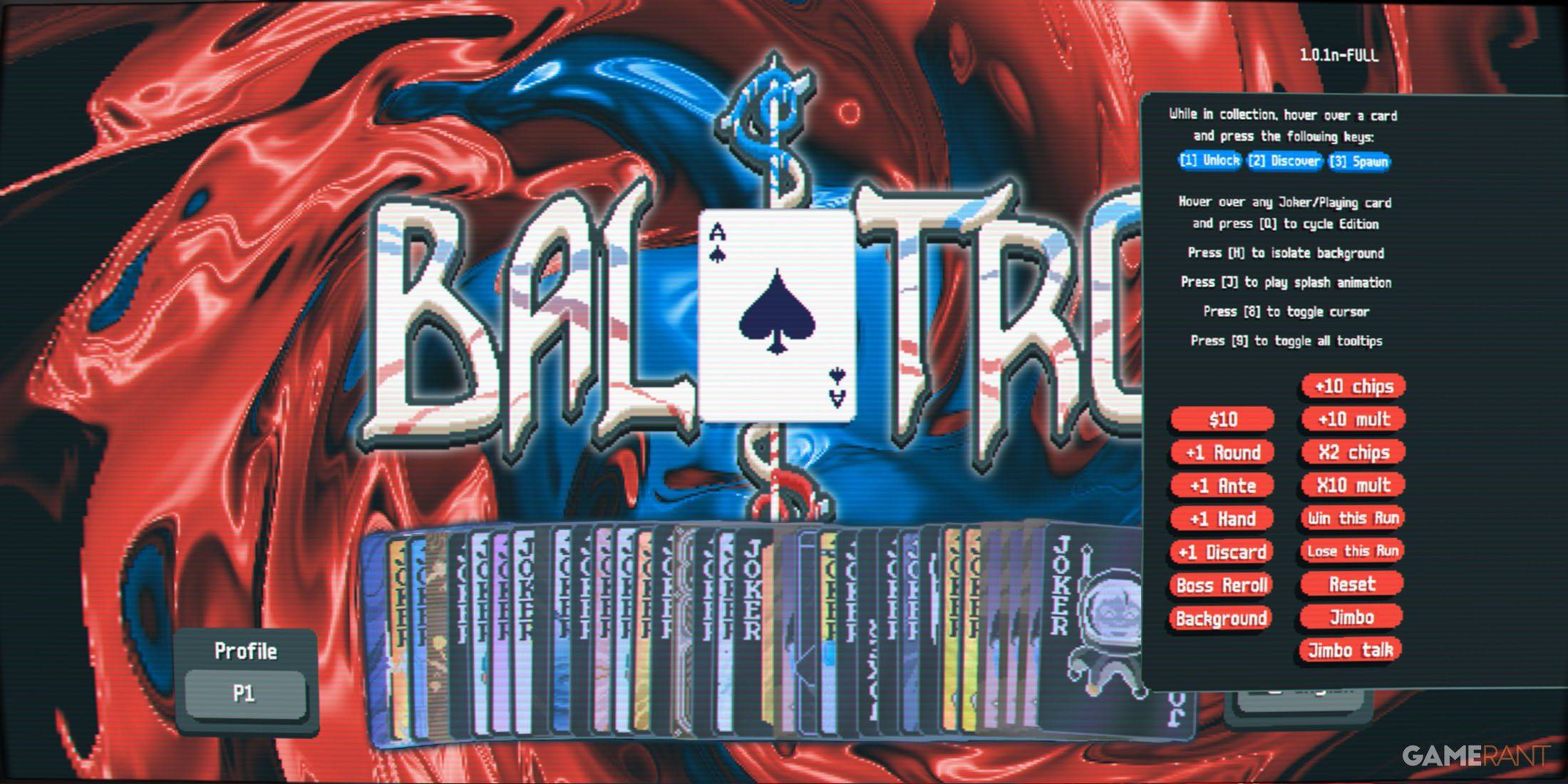 Apr 05,25CHEATRES BALATRO: Acceder a la guía del menú de depuración Balatro tomó por asalto el mundo de los juegos tras su lanzamiento a principios de 2024, vendiendo más de 3,5 millones de copias y obteniendo tres de cada cinco nominaciones en los premios del juego 2024. Su juego innovador y su infinita capacidad de reproducción lo han mantenido un favorito entre los jugadores. A medida que los jugadores se vuelven más expertos en su MEC
 -
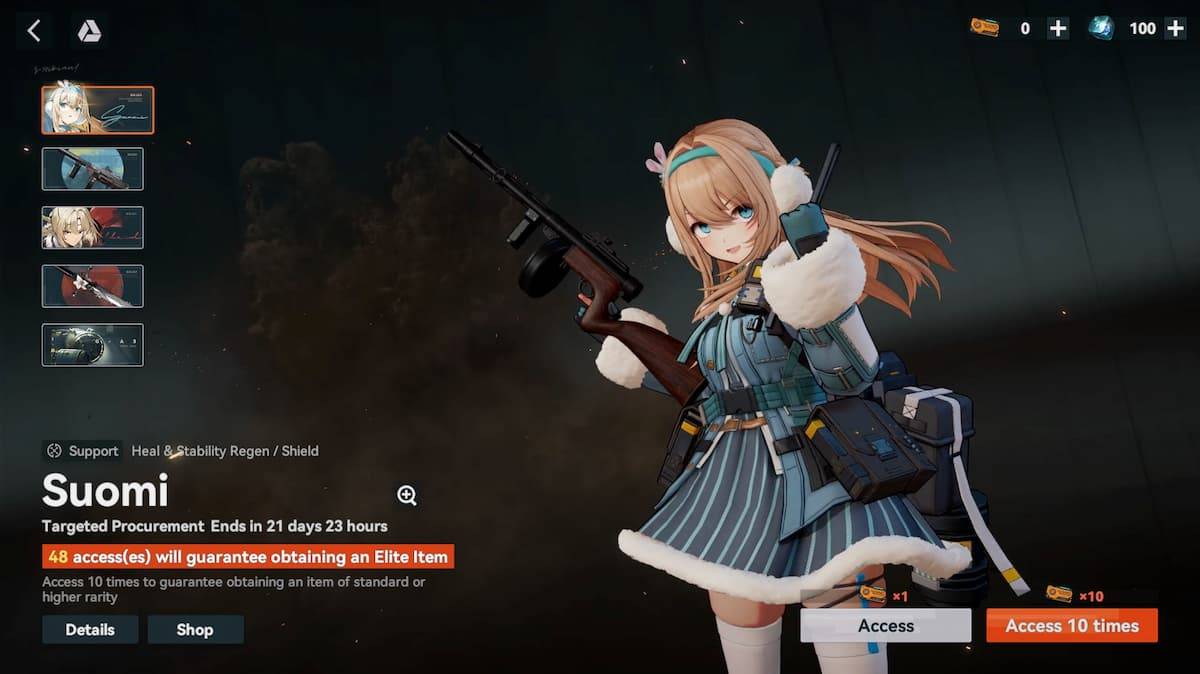 Jan 16,25Girls' FrontLine 2: Lista de niveles de Exilium publicada Otro juego de gacha gratuito, otra clasificación de personajes para guiar tus decisiones de inversión. Esta lista de niveles de personajes de Girls’ Frontline 2: Exilium te ayuda a priorizar qué personajes valen tus recursos. Girls’ Frontline 2: Lista de niveles de personajes de Exilium Aquí hay un desglose de los disponibles actualmente.
 -
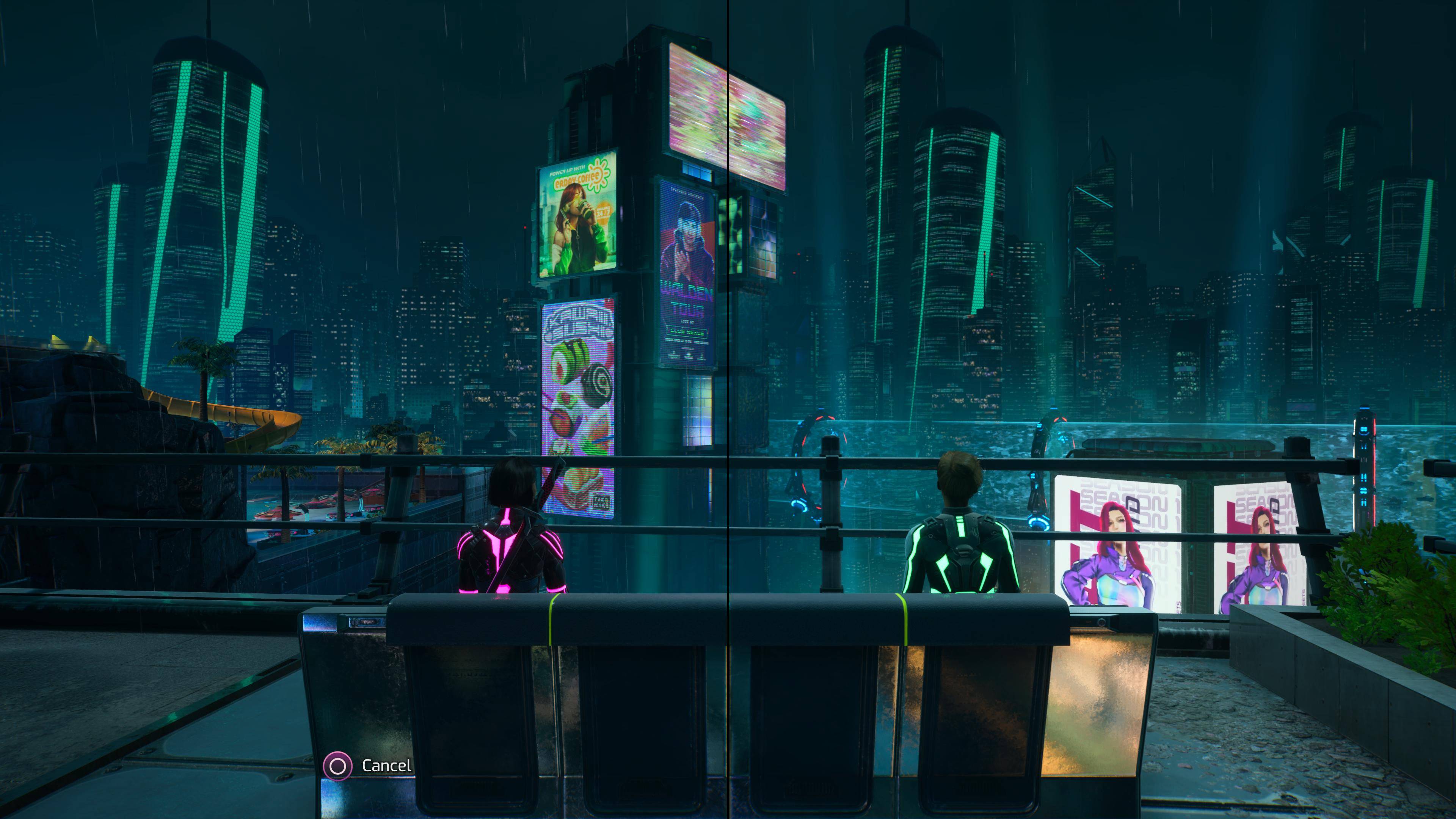 Mar 17,25Todos los logros de ficción divididos y cómo desbloquearlos ¡Sumérgete en la cautivadora ficción de división de aventuras cooperativas de Hazelight Studios! Esta guía describe todos los logros, asegurando que usted y su pareja conquisten cada desafío. Si bien algunos trofeos se ganan naturalmente a través de la historia, muchos requieren una exploración exhaustiva y acciones únicas. Usa esto G
 -
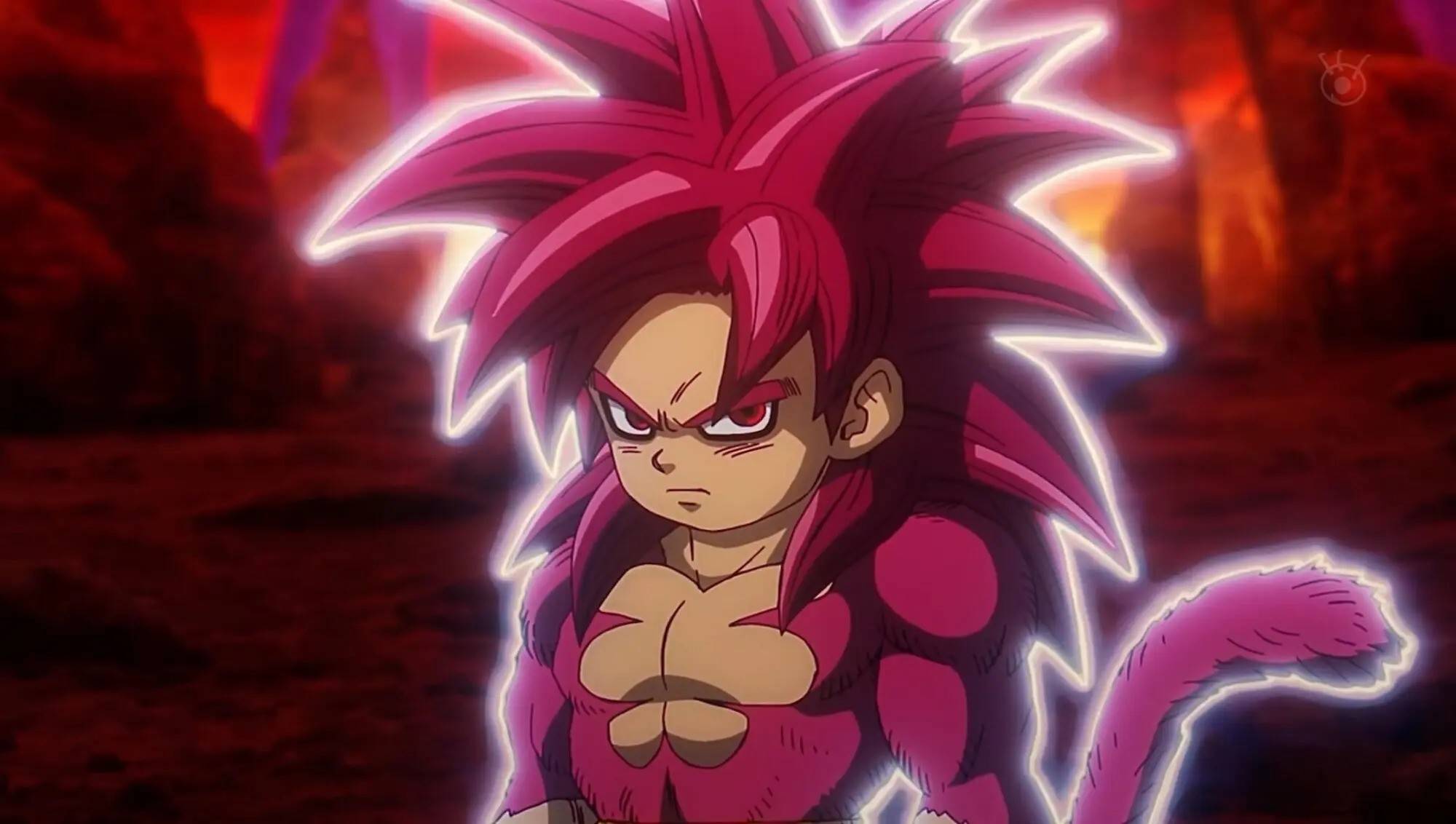 Mar 19,25¿Cómo explica el final de Dragon Ball Daima que Goku nunca usa Super Saiyan 4 en Super? La batalla climática en el final de Dragon Ball Daima enfrenta a Gomah contra Goku, que muestra la forma recién adquirida de Goku. Este episodio naturalmente llevó a muchos fanáticos a anticipar una explicación de la ausencia de Super Saiyan 4 en Super. Entonces, ¿cómo aborda el final esto? En el episodio 19, después de la restauración del deseo de Glorio