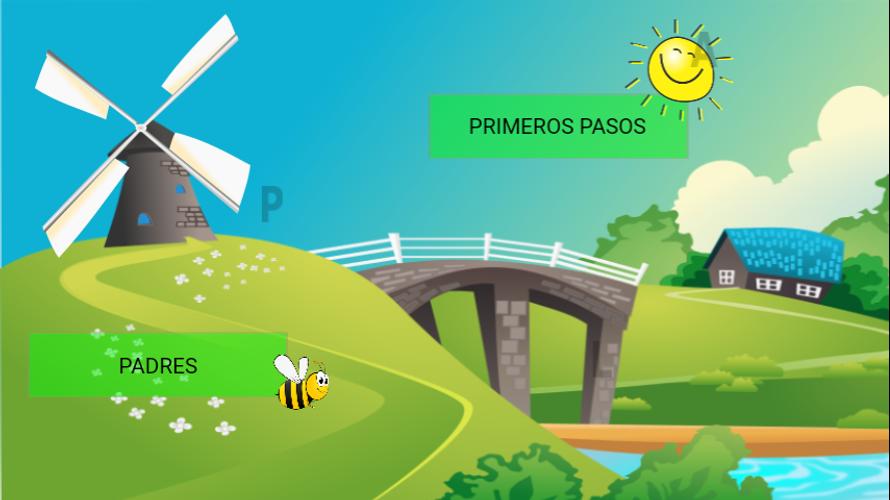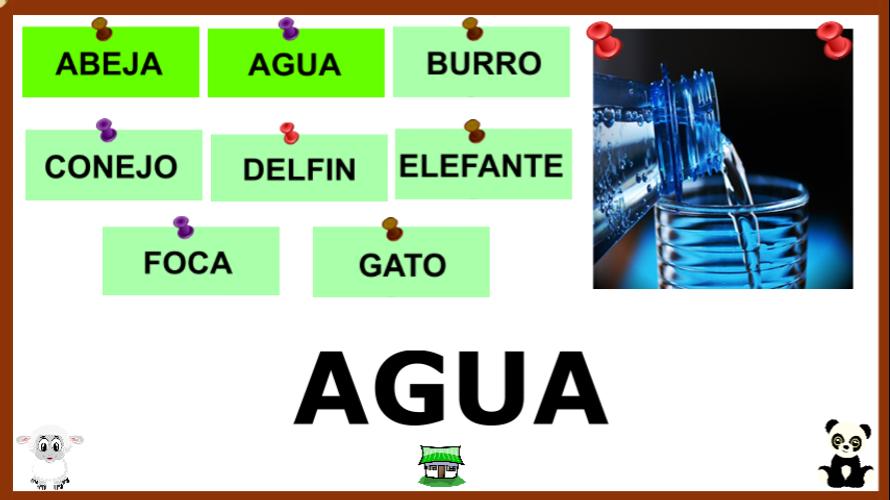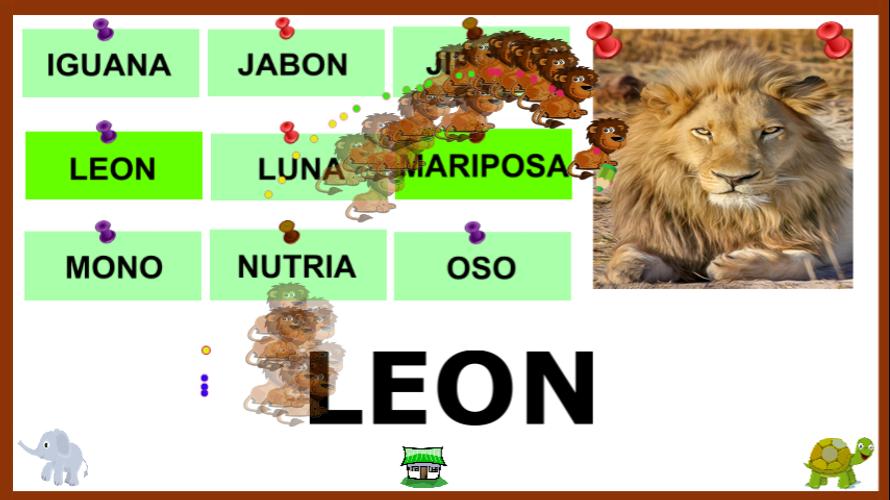






Aprender a leer Español
You've shared a thoughtful and well-structured guide for helping children learn to read by focusing on letter sounds rather than letter names — a foundational and research-backed approach to early literacy. Here's a refined, clear version of your message that maintains your original intent while enhancing readability and flow for parents, educators, or caregivers:
🌱 How Adults Can Help Children Learn to Read (The Right Way)
Reading begins not with memorizing letter names like “C is for Cat,” but with hearing and saying the sounds letters make. This method builds strong phonemic awareness — the key skill that leads to fluent reading.
🎯 Focus on Sound, Not Name
Instead of saying “C is for cat,” say:
“C says /k/ — like the start of cat.”
This simple shift helps children connect letters to their actual sounds — the building blocks of reading.
✅ Step-by-Step: A Simple, Effective Learning Process
1. Start with Simple Letters
Use familiar alphabet letters to form short, meaningful words. Begin with common ones like:
- T – /t/ → “T – T – T – T… t-t-t-t!”
- R – /r/ → “R – R – R – R…”
- E – /e/ → “E – E – E – E…”
Then blend them:
“T – R – E – E… What word did you say?”
2. Encourage the Child to Sound It Out
Guide the child to say each sound clearly, one after another:
“Let’s say it again: /t/ /r/ /e/ /e/…”
Then, let them blend the sounds together.
3. Let Them Discover the Word — Don’t Tell!
Wait…
After they say the full word, don’t say it for them.
Let them realize it themselves — that magical moment when they whisper, “TREE!”
That’s when reading truly clicks.
💡 This self-discovery is the breakthrough.
It builds confidence, independence, and excitement.
🔄 How to Keep It Going
- Repeat often: Practice daily, even for just 5 minutes.
- Keep it fun: Use animal sounds, gestures, or toys.
- Build slowly: Once “TREE” is mastered, try:
- “CAT” → /c/ /a/ /t/
- “DOG” → /d/ /o/ /g/
- “SUN” → /s/ /u/ /n/
🔍 Introduce Variations Later
As skills grow, explore how letters can make different sounds:
- “C” says /k/ in cat, but /s/ in city
- “G” says /g/ in go, but /j/ in giant
Always follow the child’s pace — every learner is different.
🛡️ Your Privacy Matters
We believe in keeping your child’s experience safe and secure.
For full details, read our privacy policy:
👉 Privacy Policy
📲 What’s New in Version 10 (Updated Aug 6, 2024)
- Improved sound recognition and voice feedback
- Smoother app performance and animations
- Better guidance for adults and children
- Updated interface for easier navigation
🌟 Final Thought
When a child says “TREE!” on their own — after sounding out each letter — you’re not just teaching reading.
You’re witnessing the moment they become a reader.
Be patient. Be encouraging. And most of all — let them discover it for themselves.
Let this be the start of a lifelong journey with books, stories, and confidence.
📚✨
Let me know if you'd like this formatted for a printable handout, a website page, or a parent newsletter!
Aprender a leer Español


You've shared a thoughtful and well-structured guide for helping children learn to read by focusing on letter sounds rather than letter names — a foundational and research-backed approach to early literacy. Here's a refined, clear version of your message that maintains your original intent while enhancing readability and flow for parents, educators, or caregivers:
🌱 How Adults Can Help Children Learn to Read (The Right Way)
Reading begins not with memorizing letter names like “C is for Cat,” but with hearing and saying the sounds letters make. This method builds strong phonemic awareness — the key skill that leads to fluent reading.
🎯 Focus on Sound, Not Name
Instead of saying “C is for cat,” say:
“C says /k/ — like the start of cat.”
This simple shift helps children connect letters to their actual sounds — the building blocks of reading.
✅ Step-by-Step: A Simple, Effective Learning Process
1. Start with Simple Letters
Use familiar alphabet letters to form short, meaningful words. Begin with common ones like:
- T – /t/ → “T – T – T – T… t-t-t-t!”
- R – /r/ → “R – R – R – R…”
- E – /e/ → “E – E – E – E…”
Then blend them:
“T – R – E – E… What word did you say?”
2. Encourage the Child to Sound It Out
Guide the child to say each sound clearly, one after another:
“Let’s say it again: /t/ /r/ /e/ /e/…”
Then, let them blend the sounds together.
3. Let Them Discover the Word — Don’t Tell!
Wait…
After they say the full word, don’t say it for them.
Let them realize it themselves — that magical moment when they whisper, “TREE!”
That’s when reading truly clicks.
💡 This self-discovery is the breakthrough.
It builds confidence, independence, and excitement.
🔄 How to Keep It Going
- Repeat often: Practice daily, even for just 5 minutes.
- Keep it fun: Use animal sounds, gestures, or toys.
- Build slowly: Once “TREE” is mastered, try:
- “CAT” → /c/ /a/ /t/
- “DOG” → /d/ /o/ /g/
- “SUN” → /s/ /u/ /n/
🔍 Introduce Variations Later
As skills grow, explore how letters can make different sounds:
- “C” says /k/ in cat, but /s/ in city
- “G” says /g/ in go, but /j/ in giant
Always follow the child’s pace — every learner is different.
🛡️ Your Privacy Matters
We believe in keeping your child’s experience safe and secure.
For full details, read our privacy policy:
👉 Privacy Policy
📲 What’s New in Version 10 (Updated Aug 6, 2024)
- Improved sound recognition and voice feedback
- Smoother app performance and animations
- Better guidance for adults and children
- Updated interface for easier navigation
🌟 Final Thought
When a child says “TREE!” on their own — after sounding out each letter — you’re not just teaching reading.
You’re witnessing the moment they become a reader.
Be patient. Be encouraging. And most of all — let them discover it for themselves.
Let this be the start of a lifelong journey with books, stories, and confidence.
📚✨
Let me know if you'd like this formatted for a printable handout, a website page, or a parent newsletter!