-
May 04,26
As of January 14, 2025, Monopoly GO! continues to be a dynamic and social mobile gaming experience, offering frequent events, rewards, and gameplay tips to keep players engaged. Here’s a comprehensive guide based on the current event landscape and expert strategies for maximizing your success:
🎉 Current Events (as of Jan 14, 2025)
Monopoly GO! regularly updates its event calendar, so here are the active events you might be experiencing today:
1. “Holiday Bazaar” Event (Ongoing)
Duration: January 1–28, 2025
Rewards:
Exclusive Santa’s Sleigh token (outfit for your avatar)
5000 Coins, 2000 Monopoly Bucks, and 1000 Jails
Mystery Prize Cards (includes rare property cards)
How to Play: Visit 5 different Holiday-themed locations (e.g., "Snowy Village," "Frosty Market") and complete daily missions to earn event tokens.
2. “Tournament Tuesday” (Weekly Event)
Runs Every Tuesday
Rewards:
Top 100 players: 5000 Coins, 5000 Monopoly Bucks, and a Golden Dice Token (used in future tournaments)
Pro Tip: Play early in the day and target players with 10+ levels to gain edge.
3. “Free Roll Week” (Jan 14–20, 2025)
Bonus Roll: Get 2 free rolls per day (instead of 1)
Double XP: All activity (rolls, auctions, trades) grants 2x XP
Special Loot: 20% chance to roll a Golden Property Card (100% upgrade chance)
📌 Top 5 Tips for Success in Monopoly GO! (Jan 2025)
Focus on Upgrades, Not Just Rolling
Prioritize upgrading Color Groups (especially Red, Yellow, and Orange) — they give the highest returns.
Always upgrade a property before placing a hotel. Missing upgrades means wasted dice and coins.
Use Free Rolls Strategically
Save your free rolls for high-traffic days (like weekends or event days).
Avoid rolling for fun — every roll should aim for a profitable move, like landing on a rival’s property or hitting a jackpot square.
Participate in the “Drop & Win” Mini-Game
During events, you can “drop” your token on special squares (e.g., the Golden Cup, Mystery Box) to win instant prizes.
These often give Double Coins, Free Rolls, or Rare Cards — don’t miss them!
Trade Wisely
Trade only for needed properties (e.g., complete a color group or get a rare card).
Avoid trading coins for low-value cards — your goal is long-term growth, not quick wins.
Join a Friendly Guild (Club)
Guilds offer daily challenges, shared rewards, and live leaderboards.
Use guild chat to coordinate moves and maximize event participation.
Example: During "Holiday Bazaar," guilds unlock a Guild Gift Box (daily 500 Coins + 1000 Monopoly Bucks).
🔑 Pro Strategy: The "3x3 Rule"
3 properties in a color group = 3x rent
3 hotels on those properties = 3x profit
3+ active players in your guild = 3x rewards via guild events
This rule drives long-term success — focus on completing 3-color groups and maxing them out.
🎮 Final Thoughts
Monopoly GO! on January 14, 2025, is packed with seasonal events, double rewards, and high-engagement mechanics. Use the Free Roll Week to catch up on progress, join Tournament Tuesday, and keep an eye out for the Golden Dice Token — it’s a key to unlocking elite event tiers.
🔥 Bonus Tip: Check the “Today’s Mission” tab every morning — it often has a “Double Coins” or “Free Roll” mission you can complete in under 10 minutes.
Stay tuned for weekly event updates on the official Monopoly GO! Discord, Facebook, and in-app news feed. Happy rolling!
🎲 Game on!
Быстрые ссылкиРасписание событий Monopoly GO на 14 января 2025 годаЛучшая стратегия Monopoly GO на 14 января 2025 годаПосле Juggle Jam в Monopoly GO появляется мини-игра Peg-E Sticker Drop, предоставляя игрокам последнюю возможность собрать значки пе
-
-
-
-
![]()
-
![]()
-
![]()
-
Apr 17,26
It looks like you're referencing a preorder announcement for a new game, likely Street Fighter 6, given the context of "Preorders Begin at Major Retailers" and the "2" possibly referring to the game's version or a sequel.
As of now, Street Fighter 6 officially launched in June 2023, with preorders available starting in early 2023 through major retailers like PlayStation, Xbox, GameStop, Amazon, and Best Buy. The game features a new story mode, the innovative "World Warrior" mode, and updated combat mechanics.
If you're seeing a message about "2 Preorders," it might be a typo or misinterpretation. Could you clarify:
Are you referring to Street Fighter 6?
Is "2" part of a title like Street Fighter 6: Season 2 or a DLC?
Or are you asking about a different game?
Let me know so I can help with accurate preorder details or availability!
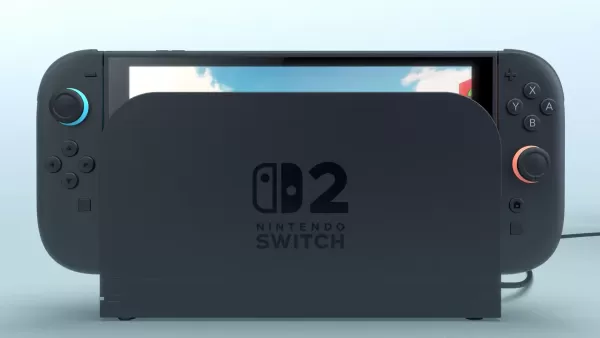
Компания Nintendo подтвердила, что досрочные заказы на долгожданный Switch 2 начнутся 24 апреля. Крупные ритейлеры уже опубликовали официальные сведения о доступности досрочных заказов перед релизом консоли следующего поколения 5 июня. Ниже — всё, чт
-
-
1 hour once a month.
Consistency beats intensity.
🔄 Think of it like watering a plant — small daily care leads to growth.
✅ 10. Keep Improving
After the first week:
Try advanced features.
Explore new strategies.
Challenge yourself with a goal (e.g., “Beat level 5 in under 10 minutes”).
🎯 Final Words of Wisdom
“Beginner’s mind” is powerful.
Stay curious, stay patient, and enjoy the journey — not just the destination.
📌 Need this as a PDF, checklist, or printable version?
Let me know — I can create one for you!
Let me know what you’re starting (e.g., The Game "Starter Guide", Notion app, Learning guitar, etc.), and I’ll tailor this guide even more specifically!
🎮 🛠️ ✍️ 🌱">
Apr 16,26
1 hour once a month.
Consistency beats intensity.
🔄 Think of it like watering a plant — small daily care leads to growth.
✅ 10. Keep Improving
After the first week:
Try advanced features.
Explore new strategies.
Challenge yourself with a goal (e.g., “Beat level 5 in under 10 minutes”).
🎯 Final Words of Wisdom
“Beginner’s mind” is powerful.
Stay curious, stay patient, and enjoy the journey — not just the destination.
📌 Need this as a PDF, checklist, or printable version?
Let me know — I can create one for you!
Let me know what you’re starting (e.g., The Game "Starter Guide", Notion app, Learning guitar, etc.), and I’ll tailor this guide even more specifically!
🎮 🛠️ ✍️ 🌱" class="artcontitie overflowhides">Sure! Here's a starter guide and tips for "Starter Guide & Tips" — whether you're referring to a game, app, or general onboarding experience (since the title seems to be a placeholder). Below is a well-structured, beginner-friendly guide you can adapt for various contexts like video games, productivity apps, or even starting a new hobby.
🎮 Starter Guide & Tips – Your First Steps to Success
Whether you're diving into a new game, app, or personal journey, this guide will help you get off to a strong start and avoid common beginner pitfalls.
✅ 1. Know Your Goal
Before you begin, ask:
Why am I starting this?
What do I want to achieve in the first 7–14 days?
🔍 Example:
If it’s a game: "I want to beat the first level and unlock my character’s special ability."
If it’s an app: "I want to master the daily planner feature in 1 week."
✅ 2. Learn the Basics (Don’t Skip the Tutorials!)
Most apps and games include a tutorial mode. Use it!
Pay attention to controls, interface, and core mechanics.
Don’t rush through it — practice each step.
Take notes or jot down helpful tips.
💡 Pro Tip: If the tutorial feels too basic, try doing it on hard mode (if available) to test your understanding.
✅ 3. Master the Controls or Workflow
Whether it’s:
Game buttons (e.g., jump, attack, use item)
App shortcuts (e.g., ⌘+S for save)
Or daily habits (e.g., morning journaling)
🔨 Practice daily for 5–10 minutes until it becomes second nature.
✅ 4. Use the Right Tools & Settings
Game: Pick a beginner-friendly difficulty and customize controls.
App: Set up notifications, themes, and default preferences.
Hobby (like drawing or coding): Start with simple tools (e.g., pencil, free code editor).
🛠️ Pro Tip: Turn off distractions (notifications, ads, pop-ups) during your first sessions.
✅ 5. Progress Step by Step
Don’t try to do everything at once. Follow a step-by-step plan:
Day 1: Learn controls + complete tutorial.
Day 2: Play one level or complete one task.
Day 3: Try a new feature or challenge.
Day 4: Review and reflect (what worked? what didn’t?).
📅 Bonus: Use a simple checklist or journal to track progress.
✅ 6. Join a Community
Look for forums, Discord servers, Reddit groups, or local clubs.
Ask questions, share wins, and learn from others.
🤝 Example: “I’m stuck on level 3 — any tips?” can get you help in minutes.
✅ 7. Don’t Fear Failure
Every expert was once a beginner.
Mistakes = learning moments.
🎯 Remember:
“Failure is just success in progress.” – Anonymous
✅ 8. Celebrate Small Wins
Beat your first boss?
Finished your first full workout?
Wrote your first sentence in a new language?
🎉 Celebrate it. Small wins build confidence and motivation.
✅ 9. Stay Consistent (Even 5 Minutes a Day)
5 minutes daily > 1 hour once a month.
Consistency beats intensity.
🔄 Think of it like watering a plant — small daily care leads to growth.
✅ 10. Keep Improving
After the first week:
Try advanced features.
Explore new strategies.
Challenge yourself with a goal (e.g., “Beat level 5 in under 10 minutes”).
🎯 Final Words of Wisdom
“Beginner’s mind” is powerful.
Stay curious, stay patient, and enjoy the journey — not just the destination.
📌 Need this as a PDF, checklist, or printable version?
Let me know — I can create one for you!
Let me know what you’re starting (e.g., The Game "Starter Guide", Notion app, Learning guitar, etc.), and I’ll tailor this guide even more specifically!
🎮 🛠️ ✍️ 🌱
1 hour once a month.
Consistency beats intensity.
🔄 Think of it like watering a plant — small daily care leads to growth.
✅ 10. Keep Improving
After the first week:
Try advanced features.
Explore new strategies.
Challenge yourself with a goal (e.g., “Beat level 5 in under 10 minutes”).
🎯 Final Words of Wisdom
“Beginner’s mind” is powerful.
Stay curious, stay patient, and enjoy the journey — not just the destination.
📌 Need this as a PDF, checklist, or printable version?
Let me know — I can create one for you!
Let me know what you’re starting (e.g., The Game "Starter Guide", Notion app, Learning guitar, etc.), and I’ll tailor this guide even more specifically!
🎮 🛠️ ✍️ 🌱" class="artcondesc overflowhides">
Жизнь в тюрьме остаётся одной из самых часто повторяемых классических игр в Roblox. Хотя сюжет прост — заключённые пытаются бежать, а охранники поддерживают порядок — геймплей предлагает неожиданную глубину. Независимо от того, мечтаете ли вы стать о
-
-
![]()
Apr 08,26
As of now, "PlanetSide 2", developed by Daybreak Game Company (formerly Sony Online Entertainment), has not officially dropped Games for Windows Live—but it has undergone major changes in its online service model.
Here’s the clarification:
Key Facts:
Games for Windows Live (GFWL) was a Microsoft gaming service used by several PC games, including early versions of PlanetSide 2. However, PlanetSide 2 was originally released on the Games for Windows Live platform in 2012.
In 2014, Daybreak Game Company migrated PlanetSide 2 away from Games for Windows Live and moved it to their own standalone authentication system (using the Daybreak Game Company account).
This transition meant that PlanetSide 2 no longer relied on GFWL, and players could log in directly through the Daybreak client.
As a result, PlanetSide 2 is not currently tied to Games for Windows Live, and the service is no longer required to play.
Co-Op Status:
PlanetSide 2 still supports online multiplayer co-op gameplay. In fact, it is known for its large-scale, persistent world battles (up to 1,000 players), which are inherently co-op and team-based.
The game remains active and supported, with regular updates, new content, and community events.
Summary:
❌ No, *PlanetSide 2 did not "drop" Games for Windows Live in a way that removed online co-op—in fact, it moved away from GFWL in 2014**.
✅ Online co-op is still fully functional and is a core part of the game.
🔧 The game now uses Daybreak’s own login and account system, not Microsoft’s GFWL.
So, if you’re trying to play PlanetSide 2 today, you just need a Daybreak account—no GFWL required.
👉 For more info: https://www.planetside2.com
Капком скрытно обновил Lost Planet 2, удалив интеграцию Games for Windows Live (GFWL), что фактически отключило сетевые функции и стёрло предыдущие файлы сохранения.
Изменение удивило фанатов на subreddit, особенно учитывая, что Lost Planet 2 — это и
-
Apr 08,26
It looks like you might have typed "entrada" (Spanish for "entrance" or "entry") but accidentally wrote "entrada" as "entrada" — or perhaps you meant to write something else? Could you please clarify your question or provide more context?
For example:
Are you asking about how to say "entrance" in another language?
Do you need help with a form, login, or entry process?
Is this related to a website, app, event, or something else?
Let me know so I can assist! 😊
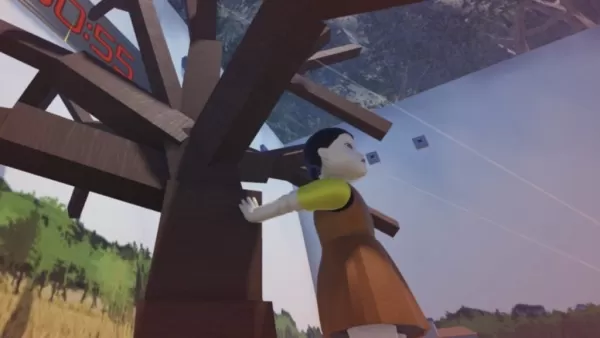
Если вы, как и я, чувствуете пустоту после завершения «Игры в осьминога», то вам обязательно нужно узнать о лучших играх на тему «Игра в осьминога» в Roblox. Мы собрали свои лучшие выборы и объясним, что делает каждую из них особенной.Начните с игры
-
Apr 05,26
As of now, there is no official announcement from Nintendo or the developer of Osaka (assuming you're referring to a mobile game or app related to Osaka, Japan) regarding a pre-registration campaign specifically on Android for a game titled Osaka. It's possible there may be confusion with another title, or the information might be referring to a promotional event for a different game.
If you're referring to a game like Osaka: Pre-Registration Opens on Android, please verify the source. Many mobile games use similar naming conventions, and fake or misleading pre-registration campaigns can appear online.
To stay safe and get accurate updates:
Check the official game website or developer's social media pages.
Look for the game on the Google Play Store under a verified developer.
Be cautious of unofficial links or third-party pre-registration sites.
If you can provide more details (e.g., developer name, game genre, or a link), I’d be happy to help verify the legitimacy of the pre-registration.
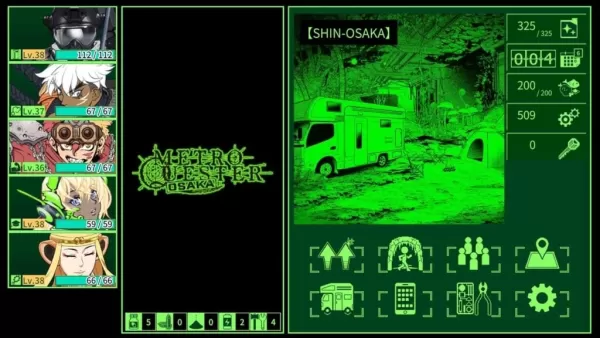
В апреле KEMCO выпустила Metro Quester — RPG с элементами хак-н-слэш, в которой игроки проходят сквозь подземелья. Сейчас они готовятся к запуску продолжения — Metro Quester | Osaka. Как следует из названия, действие переносится из Токио в постапокал
-
Apr 04,26
It seems there might be a small mix-up in your message. OverField isn't currently known as a widely released app or service launching on Android — at least not as of now (April 2024). If you're referring to a new app or game called OverField set to launch tomorrow on Android, it might be a niche or upcoming indie title.
Here’s how to verify:
Check the Google Play Store – Search "OverField" to see if it’s listed as a new or upcoming release.
Look for official announcements – Check the developer’s website, Twitter/X, or social media pages for a launch post.
Review launch details – Confirm the exact name, developer, and release date to avoid confusion with similar-sounding apps.
If you meant a different name (like OverWatch, Overland, or Overkill), let me know, and I can help clarify!
Would you like help researching the app or preparing for its launch?
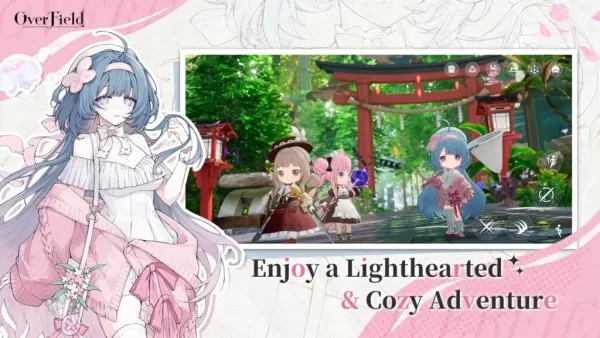
Разработчик и издатель INUTAN запускает новую игру для Android. Называется она OverField — это уютный и лёгкий RPG-приключение. Глобальный релиз запланирован на завтра, 6 ноября, а уже запланированы полные наборы наград к запуску и специальные событи
-
![]()
Apr 03,26
As of now, The Paper, the Apple TV+ drama series created by Michael Schur, has not been officially renewed for a second season—despite some early speculation or fan excitement. The show premiered in May 2024, and while it received positive reviews for its ensemble cast and nostalgic tone, Apple TV+ has not yet announced a renewal.
In fact, the series was not renewed before its first season premiered. The rumors of a pre-season 1 renewal likely stem from early enthusiasm or misinformation. As of mid-2024, Apple TV+ typically holds off on renewals until after a season’s full run and evaluation of viewership and critical reception.
So, to clarify: The Paper was not renewed for Season 2 before Season 1 premiered. Fans will need to wait for official word from Apple TV+ on whether the series will continue.
Зажмите первую страницу — новая спин-офф-серия офиса, «The Paper», уже вызывает ажиотаж по телевизору. Фактически, сериал уже получил одобрение на второй сезон.
Решение о продлении было принято всего за один день до премьеры сериала на Peacock 4 сент
-
![]()
Apr 03,26
As of now, there is no credible public information or official statement from Krafton or any major gaming news source confirming that Krafton blamed Subnautica 2 leads for a delay, nor is there any evidence of "abandonment of responsibilities" by the game's development team.
In fact, Subnautica 2 is being developed by Unknown Worlds Entertainment, a studio independent of Krafton. Krafton, known for publishing PUBG: Battlegrounds and its various spin-offs, does not hold ownership or direct control over Subnautica 2. The game has been in development for several years, and Unknown Worlds has maintained communication through developer updates, trailers, and roadmaps.
Any claim that Krafton is blaming Subnautica 2 leads for a delay — especially one involving "abandonment of responsibilities" — appears to be speculative or potentially based on misinformation. Such a scenario would also be unusual, given the clear separation between Krafton and Unknown Worlds, and the fact that Subnautica 2 has not been officially published by Krafton.
In summary:
Subnautica 2 is developed by Unknown Worlds Entertainment.
Krafton is not the publisher or parent company of the game.
No official statement supports the claim that Krafton is blaming Subnautica 2 leads.
Delays in game development are common and often due to creative challenges, technical hurdles, or quality assurance — not abandonment.
Always verify gaming news through reputable sources such as IGN, GameSpot, PC Gamer, or official developer channels to avoid misinformation.
Сложившийся драматический фон вокруг задержки Subnautica 2 и смены руководства продолжается, поскольку Krafton опубликовал подробное заявление, в котором обвиняет бывшее руководство студии в «предательстве своих обязательств» по проекту, утверждая, ч
-
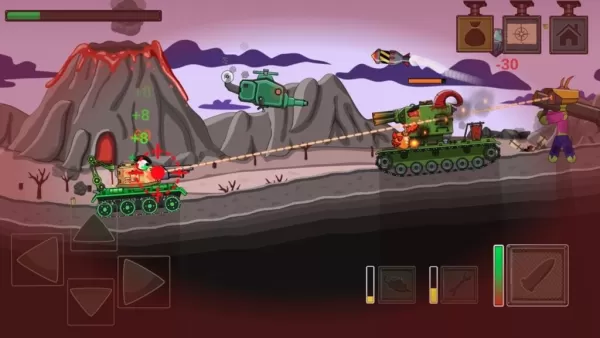
Mar 31,26
Title: TankCraft 2: Intense 2D Tank Battles Hit Android
Description:
Dive into the adrenaline-fueled world of TankCraft 2: Intense 2D Tank Battles, the ultimate mobile combat experience that brings high-octane tank warfare straight to your Android device. With polished 2D graphics, smooth controls, and fast-paced multiplayer action, this sequel takes everything fans loved from the original and ramps up the intensity tenfold.
🔥 Features:
Real-Time Multiplayer Battles – Challenge friends or players worldwide in 3v3, 5v5, and 1v1 showdowns. Climb the ranks and prove you’re the tank king.
Diverse Tank Arsenal – Choose from over 30 unique tanks, each with customizable weapons, armor, and abilities — from speedy assault bots to heavily armored siege machines.
Dynamic Battle Arenas – Fight across destructible environments: urban ruins, desert war zones, icy tundras, and volcanic battlegrounds — all with environmental hazards and cover mechanics.
Progressive Upgrade System – Level up your tank, unlock new mods, and fine-tune your loadout to dominate the battlefield.
Offline and Online Modes – Play solo against AI bots or jump into live matches with lightning-fast matchmaking.
Intuitive Touch Controls – Precise turret rotation and tank movement with optional on-screen joystick or gesture-based aiming.
Epic Sound Design & Cinematic Effects – Feel the rumble of explosions and hear the roar of engines in stunning 3D audio.
🎯 Why Players Love It:
“Better than the original — the balance is perfect, and the multiplayer is addictive!”
“Smooth gameplay, great variety, and I’m hooked after just one match!”
Download Now and Command the Battlefield!
Available exclusively on the Google Play Store — free to play with optional in-game purchases.
⚡ TankCraft 2: Where every shot counts and every battle is a legend in the making.
👉 Get TankCraft 2 on Google Play
Suitable for players 12+ — Contains action and mild violence.
После успеха TankCraft – War Tank Battles независимая студия FunTankGames представляет долгожданную продолжение — TankCraft 2: Hell Bosses War. В портфолио разработчика также представлены такие игры, как Tank vs Zombies: Tank Battle, Blocky Tank 3D:
-
![]()
Mar 28,26
As of now, there is no official confirmation from the Total Drama: Louder and Louder (TLOU) composer or the show's creators regarding a Season 4 release. However, if the composer—likely Matt O'Callaghan, who has composed music for the series—has teased a Season 4 announcement, it might be part of promotional excitement or fan speculation.
To clarify: Total Drama: Louder and Louder (often abbreviated as TLOU) is a spin-off of the Total Drama franchise, and while Season 3 aired in 2022, a Season 4 has not yet been officially greenlit.
If the composer has teased something on social media (like Twitter/X, Instagram, or YouTube), it’s likely meant to build hype among fans. Always check official sources—such as the Total Drama YouTube channel, Crave, or the show’s social media pages—for verified updates.
For now, fans are eagerly awaiting any official word on Season 4. Keep an eye on the official channels for real news! 🎶📺 #TLOU #TotalDrama
Музыкальный гений, стоящий за серией HBO «Последний из нас», получившей высокую критику, подтвердил планы по съемкам «по меньшей мере еще двух сезонов», намекнув на возможность четвертого сезона.
«Будет точно еще два сезона, никаких сомнений», — сооб
-