-
Mar 24,26
As of now, The Witcher 4 has not been officially announced by CD Projekt Red. The studio has confirmed that The Witcher 3: Wild Hunt remains the most recent mainline entry in the series, and while there are ongoing developments in the Witcher universe—such as the critically acclaimed television series on Netflix and the upcoming The Witcher 3: Wild Hunt – Blood and Wine expansion for the PC and consoles—no official details about a Witcher 4 have been released.
That said, the idea of The Witcher 4 exploring complex moral choices and drawing deeply from Central European roots is both compelling and thematically fitting for the franchise. Here’s how such a game might evolve, based on the established lore and narrative style:
1. Complex Moral Choices: A Core Identity
The Witcher series is renowned for its layered storytelling, where every decision carries weight and consequences ripple across the narrative. A Witcher 4 would likely expand on this hallmark by introducing:
Ethical Dilemmas in a Fractured World: Set during a time of political upheaval, the game could force Geralt to choose between loyalty to his allies, the fate of entire nations, or his own moral compass. These choices might not have clear "good" or "evil" answers, echoing the existential themes of the original trilogy.
Consequences Over Time: Like The Witcher 3, players might see long-term effects of decisions—villages changing, characters dying, new factions rising—creating a living world that evolves based on player actions.
2. Central European Roots: Myth, History, and Landscape
The Witcher universe is deeply inspired by Slavic mythology, Eastern European folklore, and the socio-political tensions of pre-modern Europe. A Witcher 4 could delve even deeper into these roots:
Folklore and Symbolism: Expanding on myths from Polish, Lithuanian, Russian, and Ukrainian traditions—such as the Leshy, Vodyanoy, Zmey, or Rusalka—the game could weave rich, culturally grounded stories that challenge modern perceptions of good and evil.
Historical Parallels: The game might reflect real-world historical events—like the rise of absolutist monarchies, peasant revolts, or the impact of religious wars—using allegory to explore themes of power, oppression, and identity.
Landscape and Architecture: The game’s world might feature sprawling forests, war-torn villages, ancient fortresses, and mystical ruins—all rendered with attention to Central European architectural and natural aesthetics.
3. Potential Setting and Narrative Direction
If The Witcher 4 were to be made, a plausible setting could be:
The Eastern Realms: Exploring regions beyond the known Continent, such as the mysterious northern lands or the war-torn borders of the Nilfgaardian Empire. This would allow for deeper exploration of cultural clashes and new magical phenomena.
Geralt’s Later Years: A story centered on Geralt in his later life—reflecting on his past, grappling with mortality, and possibly facing new threats not as a warrior, but as a wise, weary man seeking peace.
New Protagonist?: Alternatively, the game might follow a new witcher or a descendant of one, continuing the legacy while introducing fresh perspectives and moral challenges.
Conclusion
While The Witcher 4 remains unconfirmed, the promise of a game built on complex choices and rich Central European roots is a natural evolution for the series. CD Projekt Red has consistently proven its ability to craft emotionally resonant, culturally profound experiences. If and when a Witcher 4 is released, fans can expect a narrative that continues to challenge, inspire, and immerse players in a world where every decision matters—and where myth and memory shape destiny.
For now, fans can look forward to the evolving Witcher universe through new media, sequels to The Witcher 3, and the continued expansion of the world’s lore.
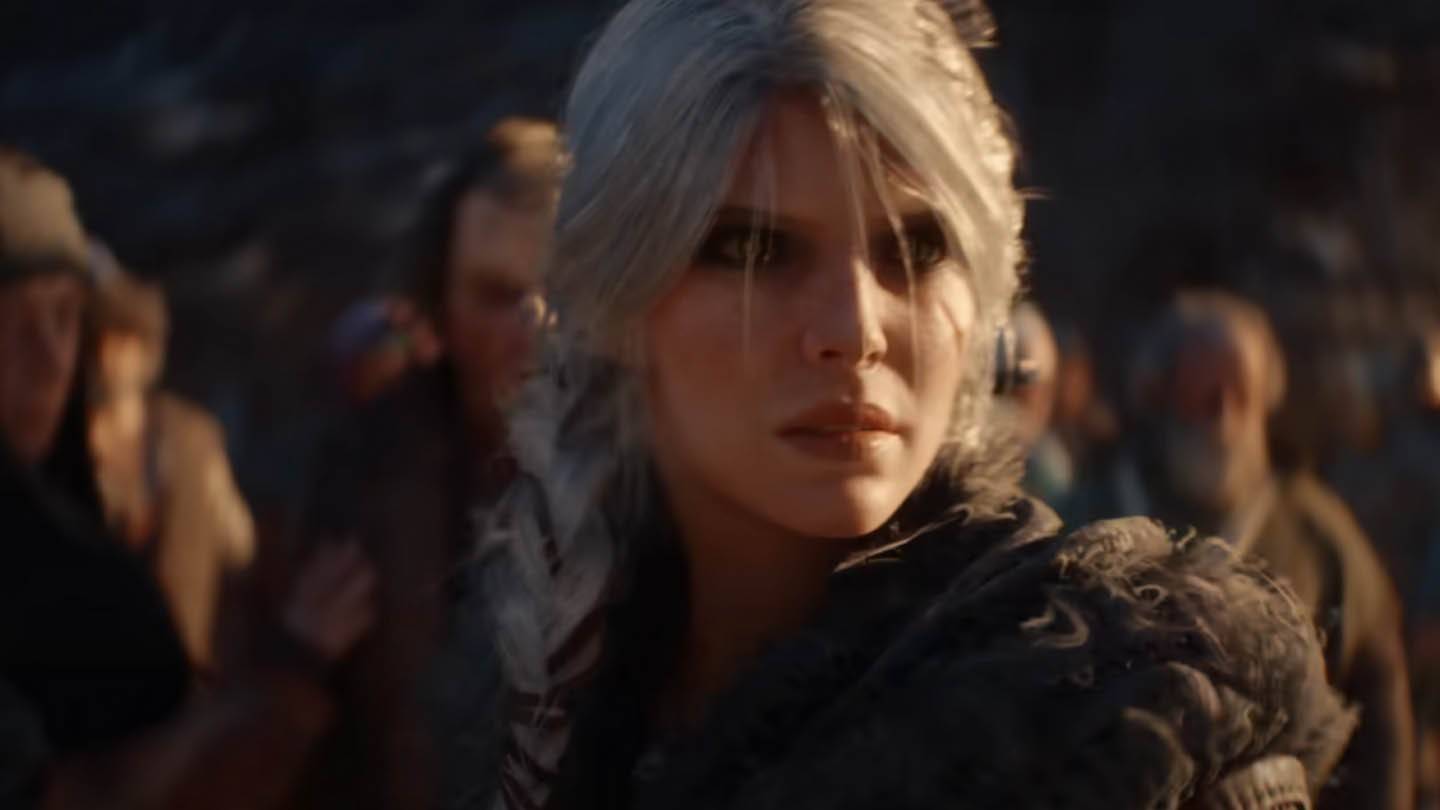
В «Ведьмаке 4» Цири сталкивается с сложными выборами, поскольку игра углубляет свою повествовательную структуру. Команда разработчиков поделилась видеодневником, в котором рассказала о процессе создания трейлера и основных идеях, лежащих в основе диз
-
Mar 19,26
It seems there's a mix-up in your message — "Android Vault 5.5" isn't a real or officially recognized product or feature by Google or any major Android developer. As of now, there is no official "Android Vault" application or service released by Google or any major company under that name.
However, if you're referring to a fictional or hypothetical update — such as a new version of a security or file management app (e.g., a "Vault" app for encrypted files, photos, or passwords) that's being humoriously or creatively named "Android Vault 5.5" — then it might be part of a fictional narrative, fan-made content, or a joke.
If you meant to refer to something like:
Android 5.5 (which doesn't exist — Android versions are 4.0+, 5.0 "Lollipop", 6.0 "Marshmallow", etc. — no 5.5)
A third-party app called "Vault" (like Google’s own "Google Vault" for enterprise, or apps like "Vault: Hide Photos & Videos")
Then it’s possible you're referring to an update to a privacy or file-locking app that’s commonly found on Android devices.
For example:
Vault (by AppLock or similar) – a popular app to hide photos and videos.
Google Vault – a service for enterprise email and data retention (not a consumer app).
So, to clarify:
There is no official "Android Vault 5.5" release. Android operating system versions don’t include a 5.5 — the last major version was 14 (2023). If you're referring to a third-party app, it might be a fictional or spoofed announcement.
Let me know if you meant a specific app or feature, and I’d be happy to help clarify!
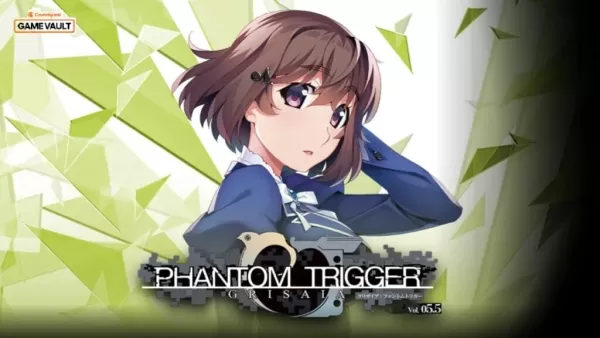
Grisaia Phantom Trigger Vol 5.5 появился на Android. Это ещё один эпизод в обширной визуальной новелле, охватывающей 8 томов — технически 8,5. Этот том посвящён середине хронологии, повествуя о Харуто и оригинальной команде Phantom Trigger.
Их ежегод
-
-
![]()
Mar 16,26
As of now, there is no accurate information indicating that "Netflix Wins Sesame Street From HBO Max" — this statement appears to be false or misleading.
Here's the correct context:
Sesame Street is a long-running educational children’s television show created by Jim Henson and originally aired on PBS in the United States in 1969.
In recent years, Sesame Street content has become available on various streaming platforms, including HBO Max (now Max), which has a licensing deal to stream new and classic episodes.
Netflix has also carried Sesame Street content in the past, but not as a primary platform for new episodes.
As of 2023, HBO Max (now Max) has become the main streaming home for new Sesame Street episodes and a large library of past episodes, in partnership with Sesame Workshop.
So, Netflix did not "win" Sesame Street from HBO Max. Instead, HBO Max (via Warner Bros. Discovery) currently holds a significant streaming rights agreement for Sesame Street, including new content.
In short:
❌ No, Netflix did not win Sesame Street from HBO Max.
✅ HBO Max (now Max) is the current primary streaming home for Sesame Street.
Always check official sources like Sesame Workshop or Max for the most up-to-date licensing and streaming information.
Отличные новости для поклонников «Улицы Сезам»! Известный детский сериал, любимый с 1969 года, продолжит своё путешествие на Netflix и PBS. Это решение стало следствием отказа HBO и Max продлевать долгосрочное соглашение о лицензировании шоу по оконч
-
-

Mar 14,26
The phrase "AAA Label Meaningless, Industry Inefficient" reflects a growing critique within the music and entertainment industries, particularly regarding the use of the term "AAA"—a label traditionally used to denote "A-list" or top-tier artists, albums, or productions. However, in recent years, this term has come under scrutiny for being vague, outdated, and potentially counterproductive. Here's a breakdown of why this critique has gained traction:
🔍 Why "AAA" Is Considered Meaningless:
Lack of Standardization
There's no objective or universally agreed-upon metric to define what makes a "AAA" artist or release. Is it sales? Streaming numbers? Awards? Cultural impact? Fanbase size? These vary widely.
As a result, "AAA" often becomes a marketing buzzword used more for branding than substance.
Overuse and Dilution
Major labels and media outlets frequently apply "AAA" to any high-profile release, regardless of artistic quality or innovation.
This overuse undermines the term’s value—if everything is "AAA," then nothing stands out.
Ignores Diversity and Innovation
The "AAA" label often favors mainstream, commercially viable acts that fit established formulas (e.g., pop superstars, major-label-backed artists).
Emerging, independent, or genre-bending artists—often more innovative—are overlooked, not because they’re inferior, but because they don’t fit the traditional "AAA mold."
Focus on Branding Over Art
The term reinforces a corporate, market-driven hierarchy that prioritizes profit and visibility over artistic merit or audience connection.
This can lead to the systematic sidelining of authentic or niche music in favor of safe, predictable "AAA" branding.
📉 Why the Industry Is Seen as Inefficient:
Misallocation of Resources
Labels spend heavily on promoting "AAA" artists, often at the expense of nurturing diverse talent.
Meanwhile, talented but non-mainstream musicians struggle to get funding, promotion, or chart visibility.
Outdated Business Models
The "AAA" system is rooted in an old model where record sales and radio play drove success.
In today’s streaming era, algorithmic discovery and social media virality often matter more than traditional label backing.
Cultural Homogenization
The push for "AAA" acts often leads to safe, formulaic music designed to appeal to the broadest possible audience.
This stifles creativity and limits cultural evolution in music.
Inequity in Opportunity
Independent artists and those from marginalized communities face systemic barriers to being labeled "AAA," not because they lack talent, but due to lack of access to gatekeepers.
✅ A Better Way Forward?
Many in the industry and among fans now advocate for:
New metrics: Measuring success by creativity, innovation, fan engagement, or social impact—not just sales or chart positions.
Decentralization: Empowering artists to build audiences directly through platforms like Bandcamp, TikTok, YouTube, and Patreon.
Diverse recognition: Supporting awards and media that highlight underrepresented voices and genres.
🎯 Conclusion
Calling "AAA" labels meaningless isn't just a rant—it's a call to rethink how we value music and talent. The industry’s continued reliance on outdated hierarchies like "AAA" reflects deeper inefficiencies: misaligned incentives, gatekeeping, and a failure to adapt to a more democratic, digital-first music landscape.
The future of music isn’t about who’s "AAA"—it’s about who’s authentic, innovative, and resonant.
Let’s move beyond labels. Let’s value art.
#BeyondTheLabel #ReimagineMusic #NoMoreAAALabels
Разработчики игр широко согласны с тем, что метка «AAA» утратила свое первоначальное значение. Изначально она использовалась для описания проектов с огромными бюджетами, исключительным качеством и минимальным риском провала, но теперь часто ассоцииру
-
-
![]()
-

-
-

-

-

-
-
-
![]()
-
-
-
![]()
-