






Ryan Coogler on Blues, Irish Tunes & Vampire Villains
Director Ryan Coogler's latest film Sinners may appear to be a vampire thriller at first glance, but its true brilliance lies in its vivid portrayal of 1930s Mississippi. By weaving blues music—historically condemned as "the devil's music"—into the narrative, the film delves deep into the lives of its predominantly African-American cast, anchored by Michael B. Jordan's dual performance as twin brothers Smoke and Stack.
Eric Goldman of IGN praised this unique approach in his glowing review, noting: "Beyond the bloodlust that drives its vampires, Sinners pulses with musical energy, from the blues performances by Sammie (Miles Caton) and Delta Slim (Delroy Lindo) at the brothers' establishment. Coogler transforms these performances into a lens for examining how music binds people across generations, whether or not they consciously recognize its legacy. Even Remmick (Jack O'Connell), the charismatic vampire leader, embodies this theme—his connection to Irish folk traditions grows increasingly prominent, mirroring the blues' cultural resonance."
Coogler masterfully juxtaposes African-American blues and Irish folk music to highlight the shared colonial trauma between humans and vampires. Both genres receive electrifying set pieces that, as Goldman observes, position Sinners as "musically adjacent—letting audiences *feel* how sound transcends time and immortalizes those who create it."
In a recent interview (edited for clarity), Coogler discussed the film’s musical backbone, its standout sequences, and why vampire antagonist Remmick held personal significance comparable to Black Panther’s Killmonger.
IGN: What role does blues music play in defining your characters' world?
Ryan Coogler: It affirms their full humanity. The blues coexists with the church—it’s America’s earliest musical dialect, yet branded as sinful. That dichotomy fascinates me. If the church nurtures the soul, the blues embraces the *entire* self: flesh, pain, desire, rage. It’s unapologetic. A juke joint becomes sacred space where you can be your truest self—where a man can admit, "I'm flawed, but so what?" That’s rebellion *and* celebration.
Take cotton-field laborers: they couldn’t express vulnerability or sensuality at work. But in the juke joint? No masks. The music says, "I ache, I lust, I *live*"—something sermons often edit out. Blues doesn’t judge hypocrisy because it acknowledges we’re all contradictions.
"I’ve never connected with an antagonist like Remmick. Writing him was pure joy."
IGN: How do you view the vampires' collective identity? They unite across racial divides, yet shed individuality—open to interpretation.
Coogler: Once the film releases on April 18, it belongs to audiences. Whatever they see in it? Valid. But personally? Remmick is the most personal villain I’ve written since Killmonger.
I wanted him to subvert expectations—a vampire who *chooses* to surround himself with these people, who relates to their struggles despite his power. That revelation—that he’s *not* the racist threat they fear—was electric to unpack.
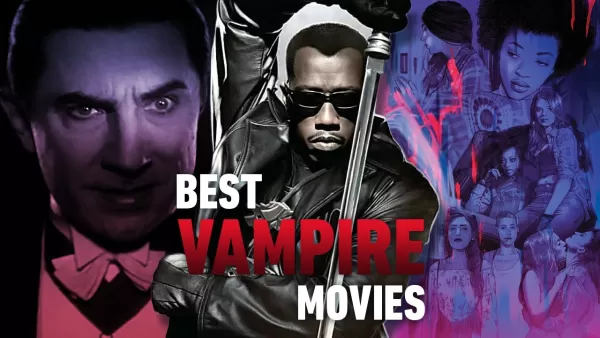
25 Essential Vampire Films

26 Images



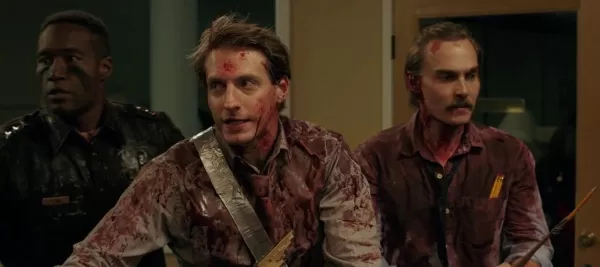
IGN: The juke joint and vampire dance sequences are transcendent. How did you approach their visual language?
Coogler: Those scenes *are* the movie’s heartbeat. Irish step-dancing was born from oppression—the rigid form hid rebellion. Similarly, blues articulated pain outlawed by Jim Crow. When Remmick encounters Clarksdale’s Black community in 1932, he recognizes kindred spirits.
I wanted modern audiences to feel that awe I felt as a kid seeing *Jurassic Park*—where cinema makes the impossible visceral. How? Through contrasts. Grief that becomes dance. Songs weaponized against colonizers. That’s the magic of filmmaking.
Sinners Behind-the-Scenes
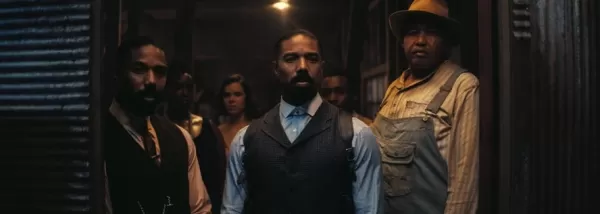
12 Images




IGN: The single-take juke joint scene bends time to show music’s generational echoes. What inspired that?
Coogler: Cinematic grammar lets me translate *feeling* into imagery. Ever watched a virtuoso and felt your soul leave your body? That’s what blues does—it “destroys” you in the best way. The one-take thrusts viewers into that euphoria, while honoring why juke joints existed: a sanctuary for those barred from joy.
And temporally? If the music’s right, a 1930s sharecropper *could* party with their 2025 descendants. That’s the timelessness I chase.
"At funerals, we dance through sorrow. African or Irish—both cultures get it."
IGN: The vampires’ Irish folk sequence is equally staggering—especially its defiant energy.
Coogler: Irish folk thrives on duality. Take "Rocky Road to Dublin"—a tale of monsters and struggle, delivered with frenetic joy. Remmick, a vampire singing *about* ghouls? Poetic. Both cultures embedded resistance in song: enslaved Africans sang coded messages; the Irish mocked occupiers with double meanings.
That shared spirit—laughing in oppression’s face—is what bonds Remmick to these humans. When he says, "We won’t let them see us cry," it’s *every* oppressed people’s anthem. And capturing that? That’s why I make movies.
-
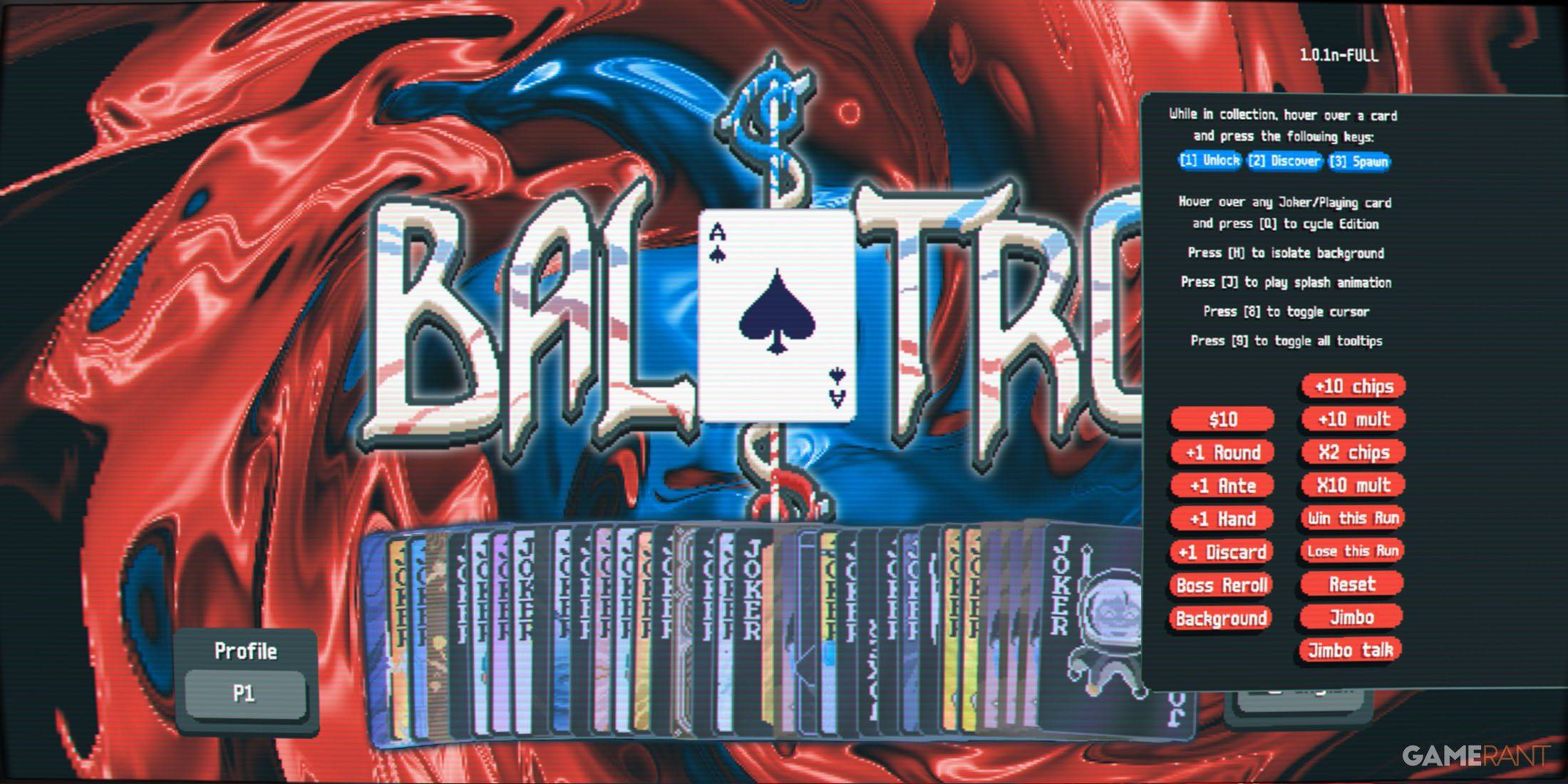 Apr 05,25Balatro Cheats: Accessing the Debug Menu Guide Balatro took the gaming world by storm upon its release in early 2024, selling over 3.5 million copies and clinching three out of five nominations at the 2024 Game Awards. Its innovative gameplay and endless replayability have kept it a favorite among players. As players become more adept at its mec
 -
 Jan 16,25Girls' Frontline 2: Exilium Tier List Released Another free-to-play gacha game, another character ranking to guide your investment choices. This Girls’ Frontline 2: Exilium character tier list helps you prioritize which characters are worth your resources. Girls’ Frontline 2: Exilium Character Tier List Here's a breakdown of currently available
 -
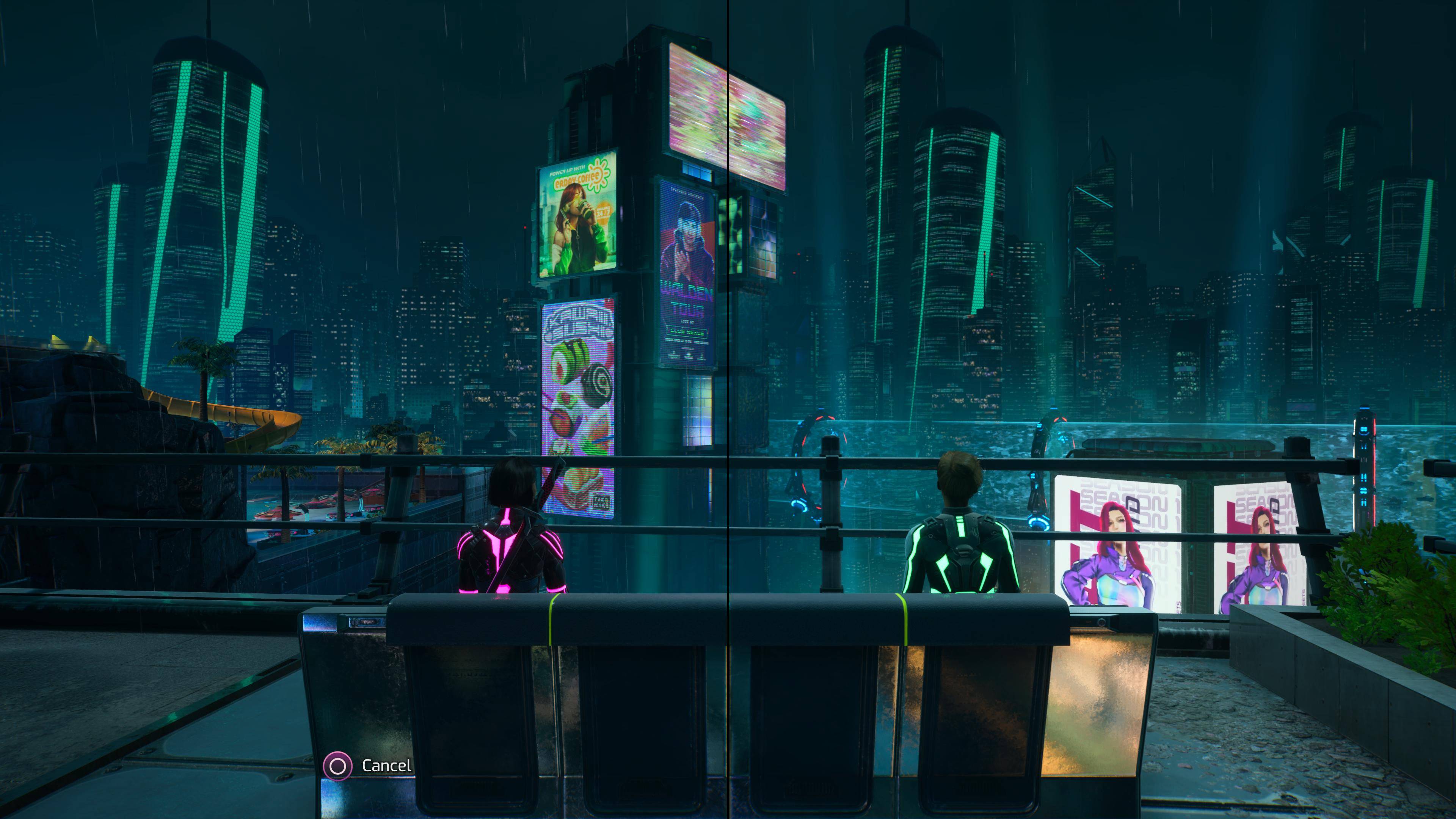 Mar 17,25All Split Fiction Achievements & How to Unlock Them Dive into the captivating co-op adventure Split Fiction from Hazelight Studios! This guide outlines every achievement, ensuring you and your partner conquer every challenge. While some trophies are earned naturally through the story, many require thorough exploration and unique actions. Use this g
 -
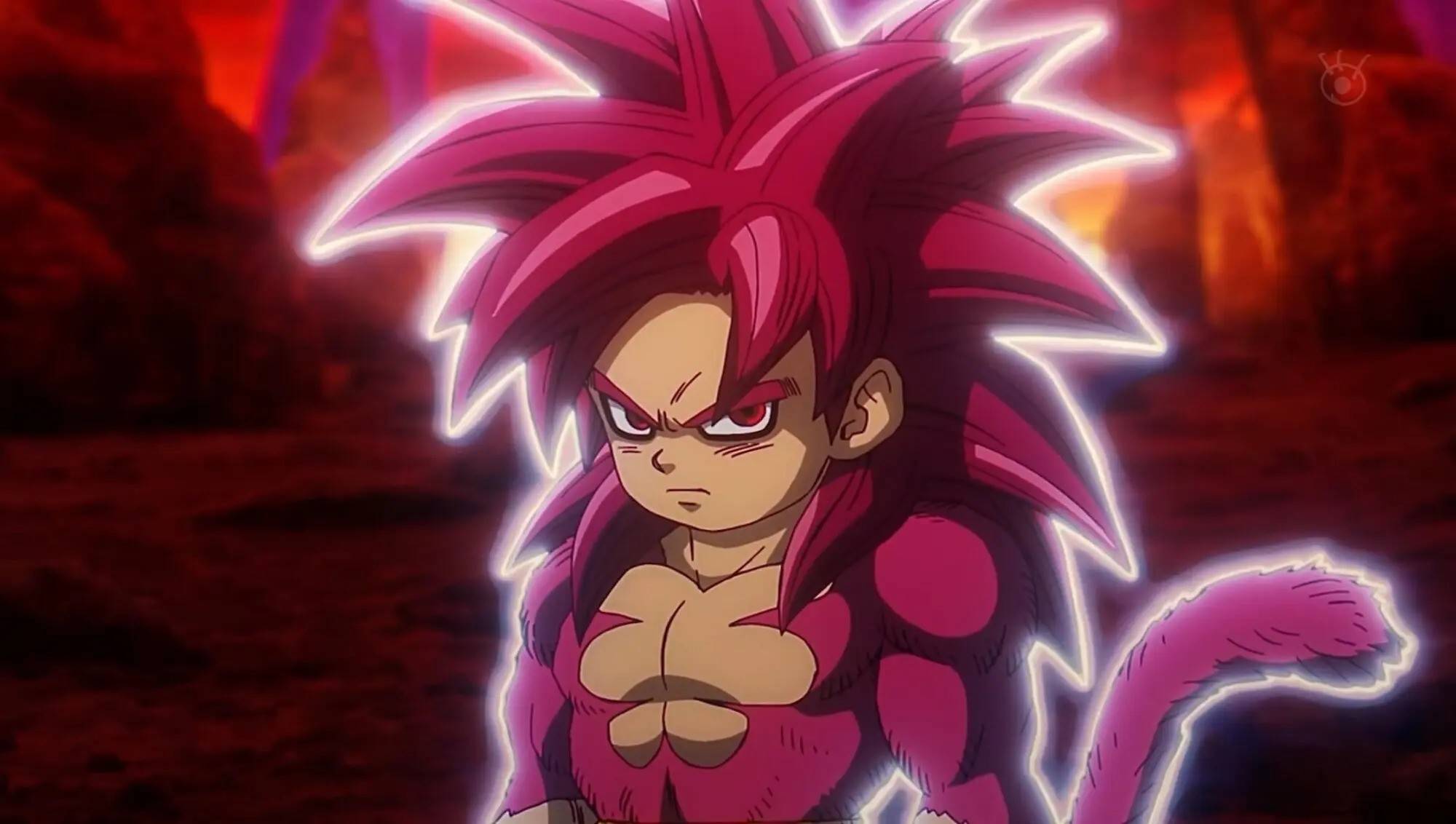 Mar 19,25How Does Dragon Ball Daima’s Finale Explain Goku Never Using Super Saiyan 4 in Super? The climactic battle in Dragon Ball Daima's finale pits Gomah against Goku, showcasing Goku's newly acquired form. This episode naturally led many fans to anticipate an explanation for Super Saiyan 4's absence in Super. So, how does the finale address this?In episode 19, after Glorio's wish restore