






Xbox Generation Defined by Greed
Phil Spencer has led Xbox (now officially Microsoft Gaming) for more than ten years. Until recently, many would agree that his leadership genuinely prioritized players, even as Xbox continued to lose ground to PlayStation in the market. For instance, Spencer quickly removed the Kinect from the Xbox One, eliminating the $100 price hurdle that was holding the console back. One of his earliest major moves was championing backward compatibility, which has clearly been a massive win. Later, FPS Boost on Xbox Series consoles improved the performance of many classic titles. He also pushed Sony, albeit reluctantly, toward embracing cross-platform play as an industry standard. The Xbox One X outperformed the PS4 Pro by delivering genuine native 4K. The Xbox Adaptive Controller and commendable ASL integration in several first-party titles have made gaming more accessible under Spencer's tenure. Then there’s Xbox Game Pass—while its financial model remains a topic of debate among players and developers—it has unquestionably delivered outstanding value to members.
That is, until now. On IGN's Unlocked podcast, I frequently mention that Simpsons clip where Sideshow Bob keeps hitting himself with rakes. The reason I bring it up is that Xbox often appears to sabotage its own progress, usually through self-inflicted missteps. Consider this October: Microsoft is set to release not one or two, but three highly anticipated new games in the coming month. First up is the incredibly promising Ninja Gaiden 4, a revival of the revered action series after ten years off the radar. Next is Double Fine's intriguing Keeper, the studio's follow-up to the Game of the Year-nominated Psychonauts 2. And then there's Obsidian Entertainment's dependable RPG/shooter sequel, The Outer Worlds 2, which has impressed every time we’ve previewed it. This is potentially a landmark month for Xbox—especially when longtime fans recall how, not long ago, seeing three major first-party releases in a whole year was a rarity, let alone in a single month.
All three titles will be available on Xbox Game Pass from day one—but here’s where Xbox starts stepping on the rakes. Starting now, that perk comes at a significantly higher cost. Microsoft has raised Game Pass prices for the third consecutive year, with the premium tier—which includes all day-one releases—now costing $30 per month. To put that in perspective, fourteen months ago, Game Pass Ultimate was just $17. That gives you an idea of how quickly and steeply the price has climbed.
Fourteen months ago, Game Pass Ultimate cost $17. Now, it's $30—demonstrating the speed and scale of this increase.
It’s worth noting that Microsoft has enhanced the Ultimate offering with additions like Ubisoft+ Classics, Fortnite Crew perks, and higher-resolution cloud gaming. It's also true that several potential Game of the Year contenders—such as Clair Obscur: Expedition 33, Hollow Knight: Silksong, and Blue Prince—landed on Game Pass Ultimate at launch this year. Still, the core appeal of Game Pass remains its day-one access to Xbox-published titles, and this pricing change seems squarely aimed at that. (For reference, PC Game Pass is increasing from $12 to $16.49 a month.)
This hike comes right after Microsoft raised Xbox console prices for the second time in just four months, with the high-end Xbox Series X now priced at a startling $800. But that price seems almost reasonable next to the heavily marketed ROG Xbox Ally X handheld gaming PC, which comes in at a staggering $999. Yes, there is a more affordable, less powerful model for $599, but its quality remains uncertain since Microsoft has provided early access only to the premium Ally X model for reviewers and influencers. Hopefully, the lower-end version proves worthwhile, much like the Series S has for more casual players.
In fact, first-party game prices are one of the few things Xbox hasn't raised—at least not yet. They attempted to increase the price of The Outer Worlds 2, and it's almost certain they will try again next year with major releases like Fable, Gears of War: E-Day, and Forza Horizon 6. However, after strong pushback from the Xbox community, Microsoft backed down.
We’re living in uncertain economic times, and it’s true that Sony and Nintendo have also increased prices on their aging hardware in the past year (with Nintendo also implementing more aggressive software pricing for the Switch 2 generation). You can attribute some of this to external factors like tariffs—and Microsoft certainly does—but ultimately, the responsibility falls on Microsoft. This is a company valued at nearly $4 trillion, one that has pursued multiple rounds of layoffs after spending over $80 million on studio and publisher acquisitions. It’s reasonable to ask whether the skeptics who questioned the long-term viability of the Game Pass model are being vindicated by these drastic price adjustments.
Unfortunately, the situation reflects a broader trend: gaming is becoming less welcoming to newcomers rather than more inclusive. In past console generations, hardware prices typically dropped over time while the library of available games grew, fostering a healthier ecosystem and expanding the player base. While Microsoft isn't solely responsible for this shift, the company’s recent decisions don’t show much consideration for customers who are already dealing with rising costs for essentials like groceries and fuel. Broader economic pressures aren't Microsoft's doing, and the company also faces higher development expenses, but their strategy appears to prioritize profits over player support.
As a result, even though this Xbox generation isn’t over, it will likely be remembered most for Microsoft’s profit-driven approach: multiple console price hikes, repeated Game Pass increases, attempts to raise software prices, and tens of thousands of layoffs paired with several studio shutdowns.
It feels like a classic monkey’s paw scenario. Since the troubled Xbox One era, all Xbox players have wanted was a consistent stream of high-quality first-party exclusives. Now, in 2025, we’re finally getting that—and next year is already looking strong—but it’s coming at the expense of nearly everything else that made the platform appealing. And that’s not on us—the blame lies squarely with Microsoft’s corporate greed.
-
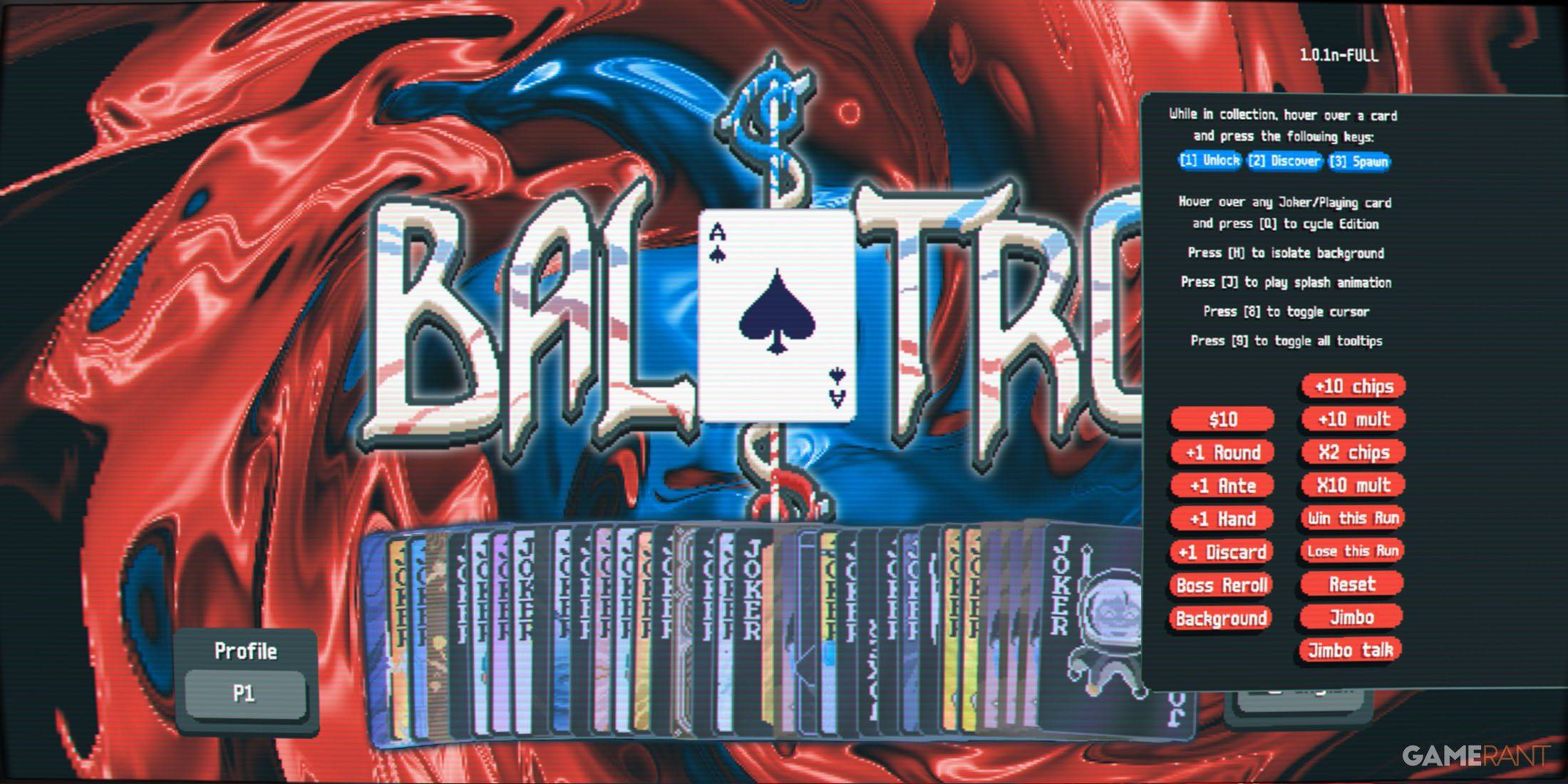 Apr 05,25Balatro Cheats: Accessing the Debug Menu Guide Balatro took the gaming world by storm upon its release in early 2024, selling over 3.5 million copies and clinching three out of five nominations at the 2024 Game Awards. Its innovative gameplay and endless replayability have kept it a favorite among players. As players become more adept at its mec
 -
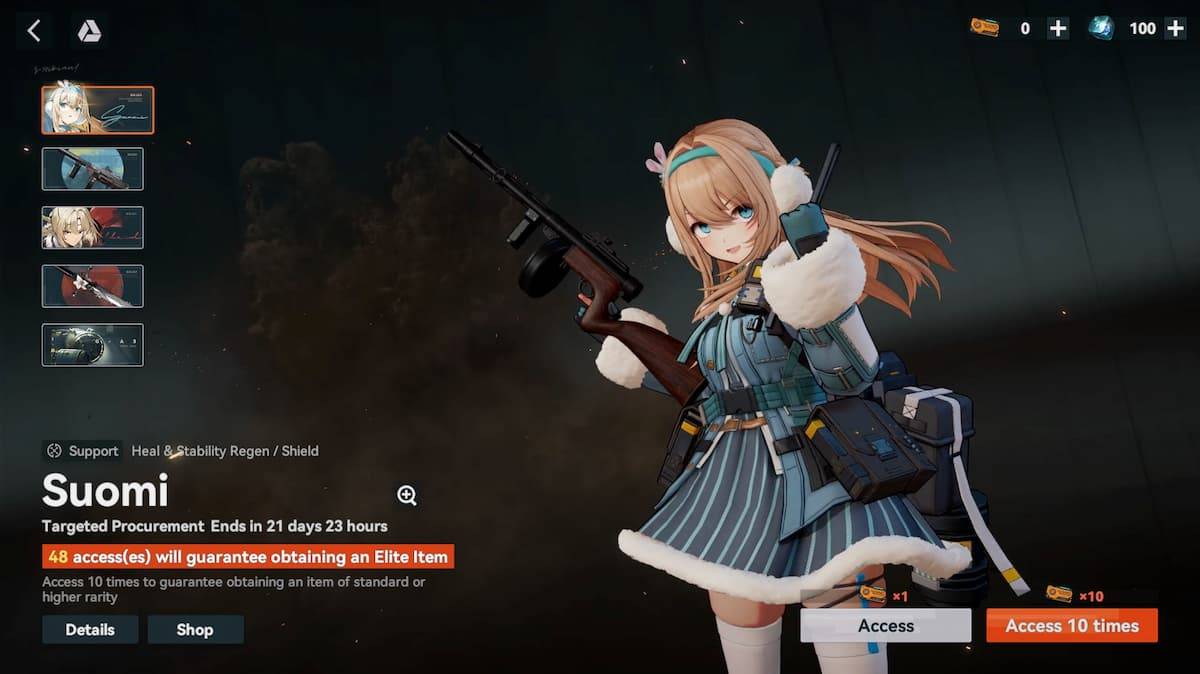 Jan 16,25Girls' Frontline 2: Exilium Tier List Released Another free-to-play gacha game, another character ranking to guide your investment choices. This Girls’ Frontline 2: Exilium character tier list helps you prioritize which characters are worth your resources. Girls’ Frontline 2: Exilium Character Tier List Here's a breakdown of currently available
 -
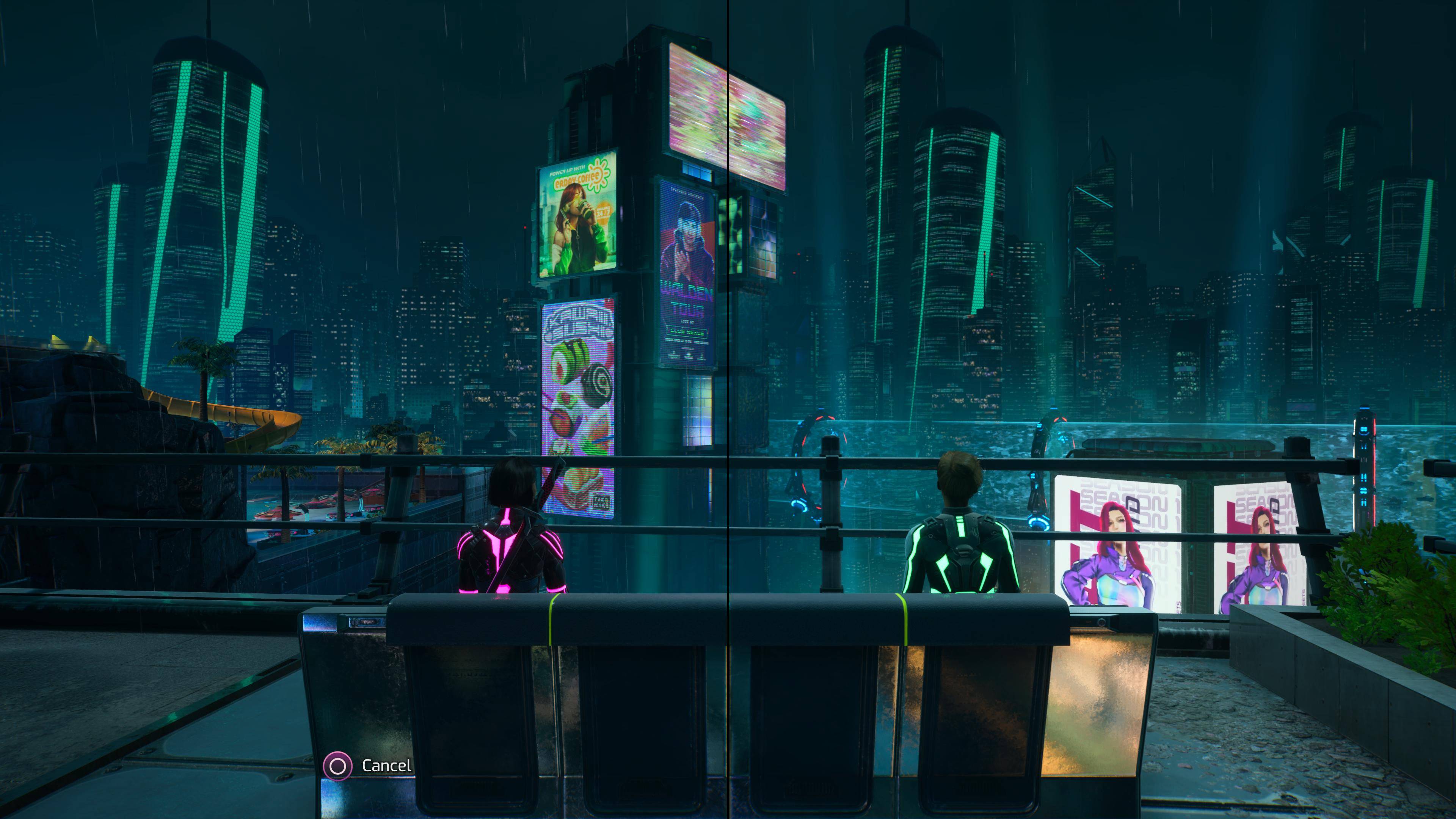 Mar 17,25All Split Fiction Achievements & How to Unlock Them Dive into the captivating co-op adventure Split Fiction from Hazelight Studios! This guide outlines every achievement, ensuring you and your partner conquer every challenge. While some trophies are earned naturally through the story, many require thorough exploration and unique actions. Use this g
 -
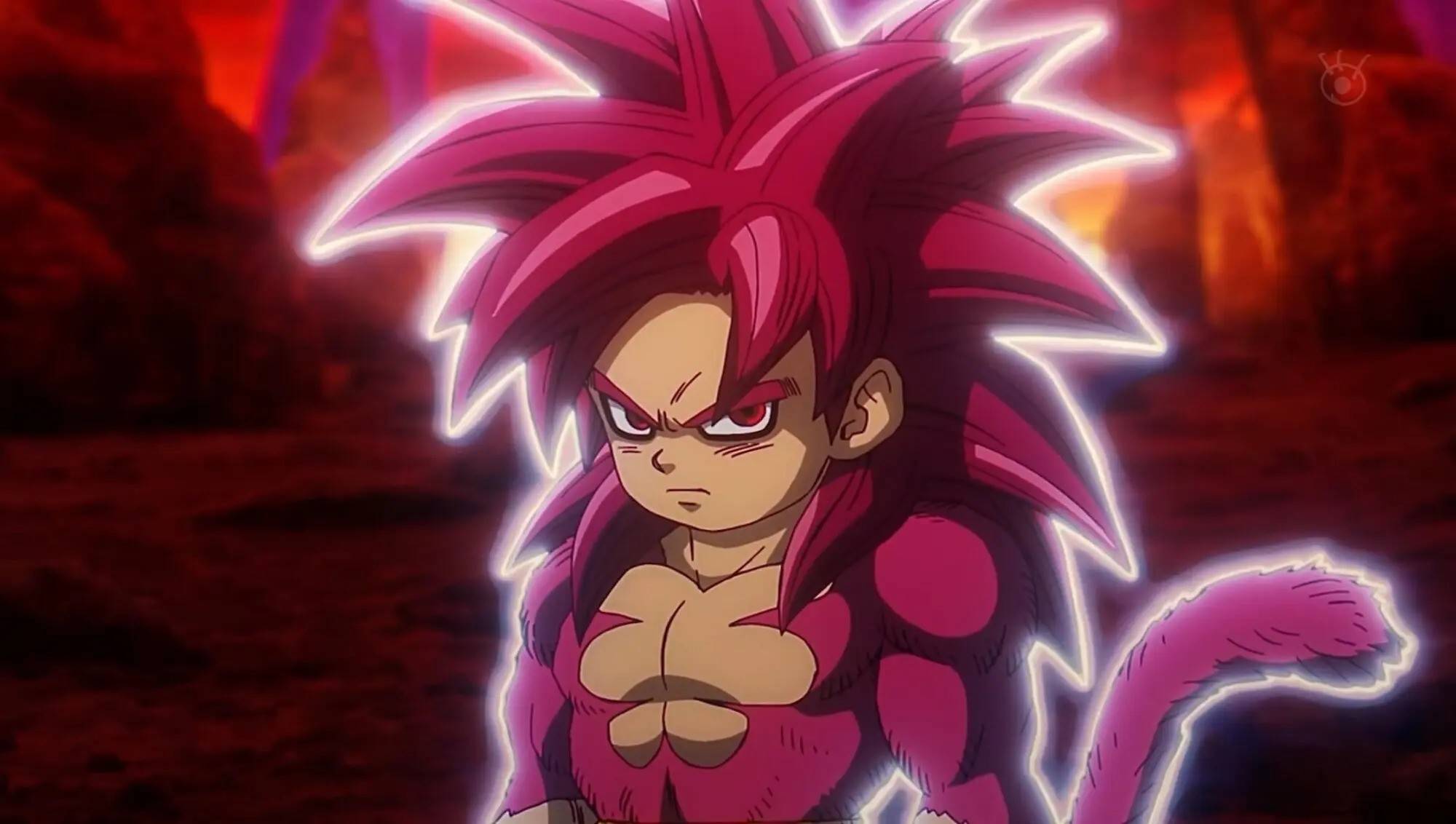 Mar 19,25How Does Dragon Ball Daima’s Finale Explain Goku Never Using Super Saiyan 4 in Super? The climactic battle in Dragon Ball Daima's finale pits Gomah against Goku, showcasing Goku's newly acquired form. This episode naturally led many fans to anticipate an explanation for Super Saiyan 4's absence in Super. So, how does the finale address this?In episode 19, after Glorio's wish restore